Reusable Food Bags: The UK Guide to Ditching Single-Use Plastic Storage
As an Amazon Associate I earn from qualifying purchases and sometimes recommend products from other sellers at no extra cost you. For more details see my disclosure policy and privacy policy.
I didn’t set out to get rid of cling film and sandwich bags in one go — it happened gradually, one leaky freezer bag too many. But over the past year I’ve slowly replaced almost every piece of single-use plastic food storage in our kitchen, and it’s made more of a difference than I expected, both to the bin and to the shopping budget.
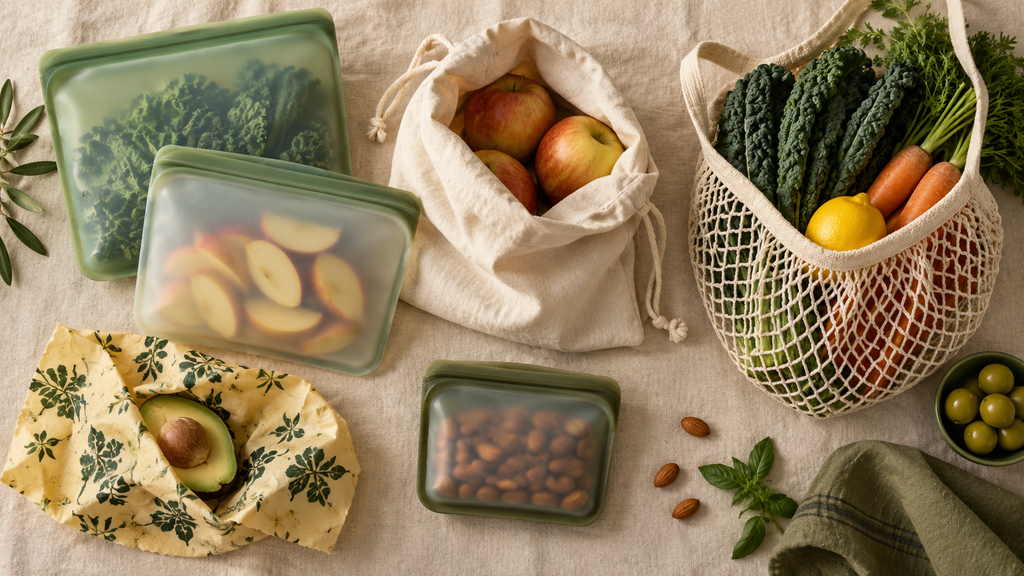
If you’re standing in your kitchen wondering whether reusable food bags are actually worth it, here’s what I’ve learned from testing the main types in a real, busy UK household.
Non-Toxic Cookware UK: What to Look For, What to Avoid, and the Best Options at Each Price Point
Why Bother Switching to Reusable Food Bags?
They last. Good-quality silicone, cotton and nylon bags shrug off daily use in a way single-use plastic never could — mine have survived well over a year of packed lunches and freezer duty without a single split seam.
Free download
Get the Non‑Toxic Home Audit Checklist
A room‑by‑room checklist to help you spot what’s worth swapping in your home — and what’s not worth worrying about. Join the fortnightly newsletter and it’s yours.
No spam, unsubscribe any time.
They’re genuinely convenient. Once you’ve got a small collection in different sizes, they slot into the same routines as disposable bags — lunches, snacks on the go, keeping veg crisp in the fridge — just without the constant repurchasing.
They pay for themselves. The upfront cost is higher than a roll of plastic bags, but because you’re not buying replacements every week, most reusable bags work out considerably cheaper over a year. This is the same “spend a bit more once, save continually” logic that runs through a lot of budget-conscious eco swaps.
They’re better for the planet. Plastic bags can take centuries to break down, and far too many end up in UK waterways and, eventually, the sea. Cutting them out of your kitchen is one of the simpler swaps with a real cumulative effect.
They’re often healthier too. Some single-use plastics can leach chemicals into food, particularly with heat or fatty foods. Bags made from food-grade silicone, cotton or nylon avoid that problem entirely.
The Main Types, and What I Actually Think of Them
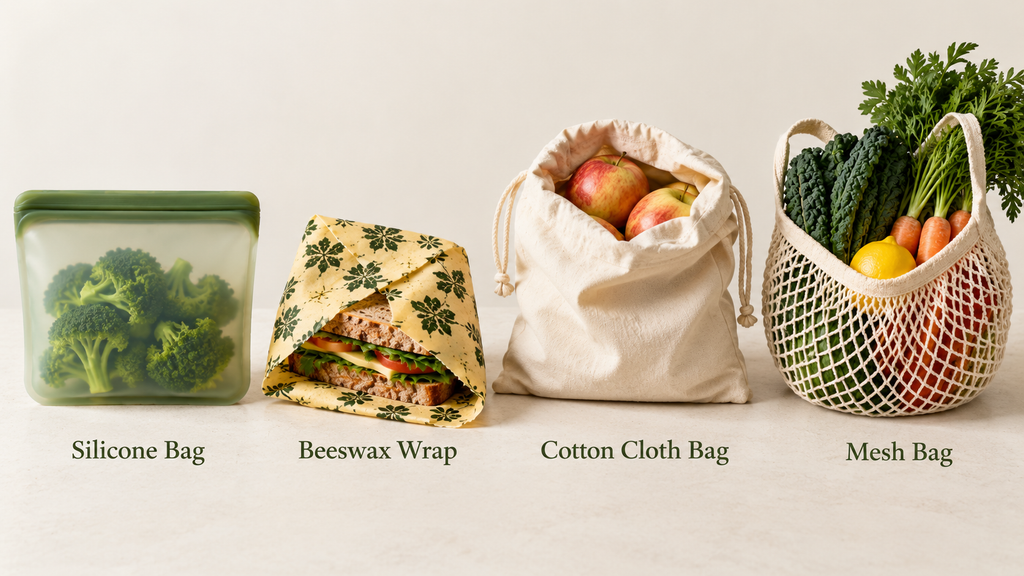
Silicone food bags
Silicone food bags are dishwasher, microwave and freezer-safe, and the closest like-for-like swap for a zip-lock bag. Good for anything going straight from freezer to reheating. UK stockists like LoofCo and Prep & Pack Plastic Free stock these in useful multi-packs.
Beeswax wraps
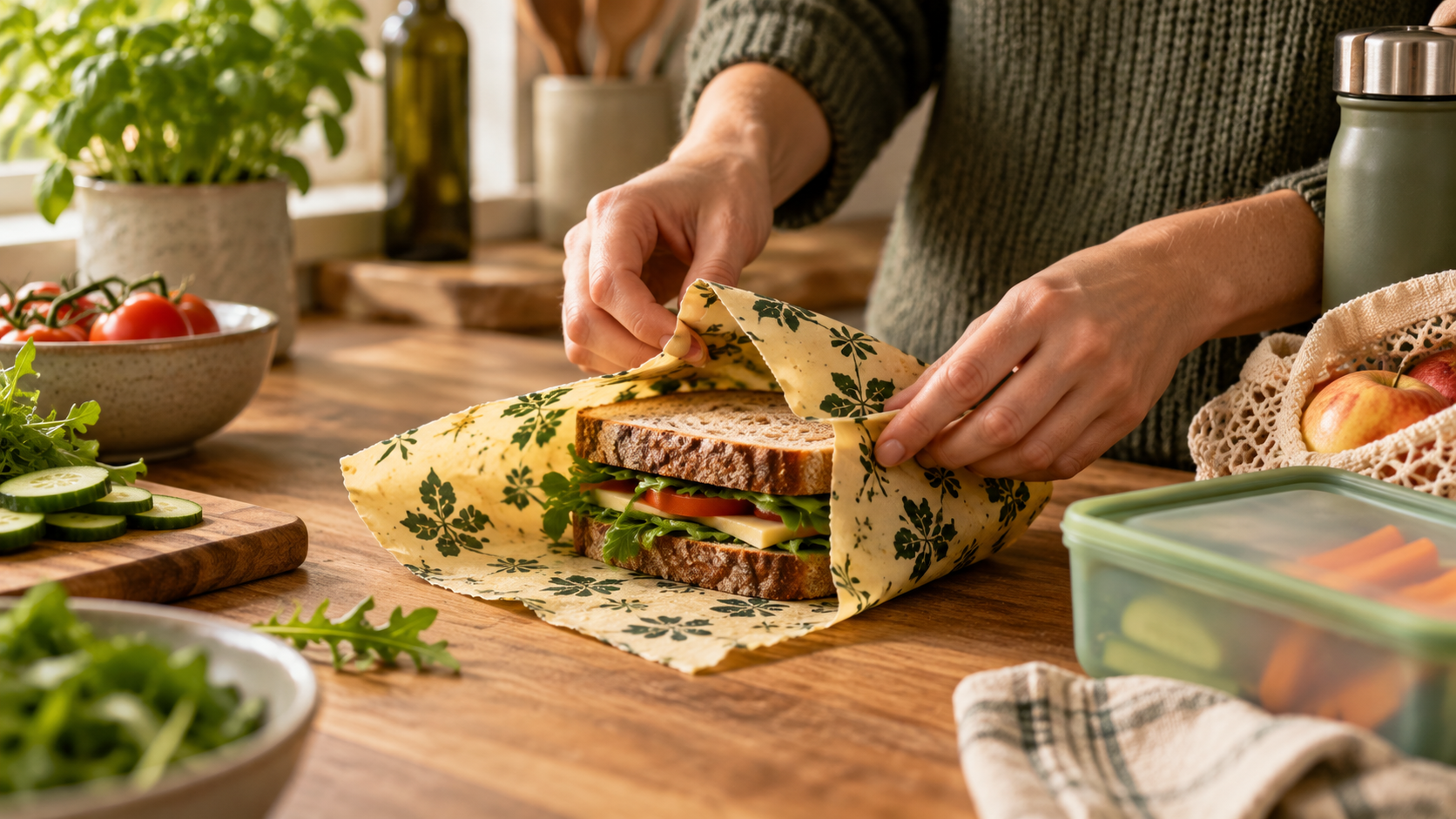
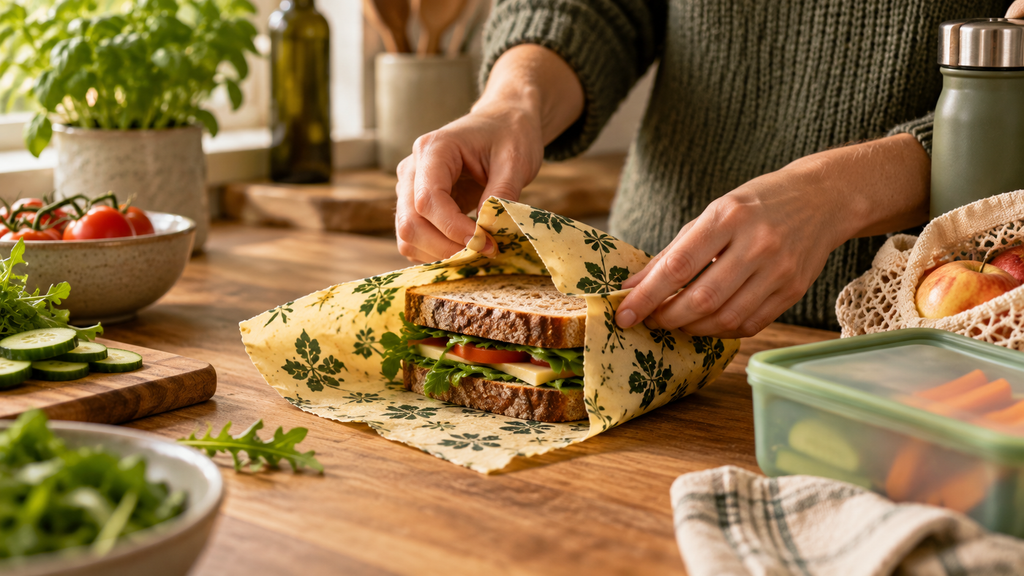
Beeswax wraps are cotton infused with beeswax, jojoba oil and tree resin, which you mould around food with the warmth of your hands. Brilliant for cheese, half a cut lemon, or wrapping a sandwich — less useful for anything wet or very liquid.
Cloth bags
Cotton, canvas or nylon bags that wash easily and last for years. Not airtight, so best for bread, fruit and veg rather than anything that needs sealing — but genuinely sturdy and often the cheapest entry point.
Mesh bags
Mesh bags are breathable polyester, nylon or organic cotton, which stops produce going soggy or mouldy the way a sealed bag can. My go-to for greens, mushrooms and anything from the fridge drawer that needs to breathe.
The Non-Toxic Home Guide: Room-by-Room Swaps for UK Households
Cleaning and Care, by Type
- Silicone: dishwasher or a quick hand-wash; open fully so it dries out properly.
- Cloth: machine wash with similar colours, then air dry — skip the fabric softener, as it leaves a residue that can transfer to food.
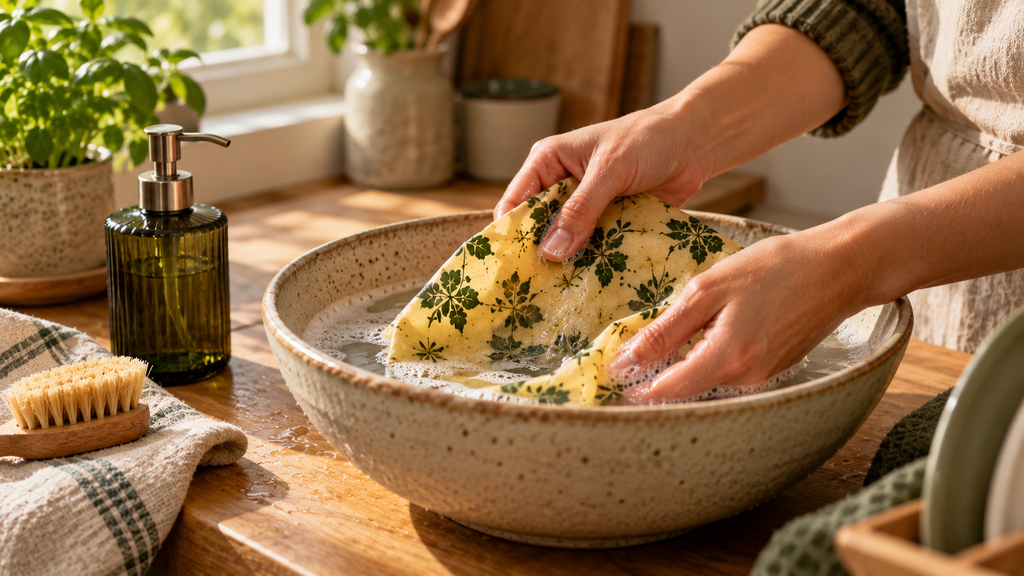
- Beeswax wraps: hand-wash in cool water with a little mild soap; avoid hot water or heavy scrubbing, which strips the wax coating. Air dry.
- Mesh: turn inside out, shake out crumbs, hand-wash in warm soapy water, rinse and air dry.
A quick clean after every use keeps bacteria at bay and means your bags stay in rotation for years rather than months.
Is It Worth Switching?
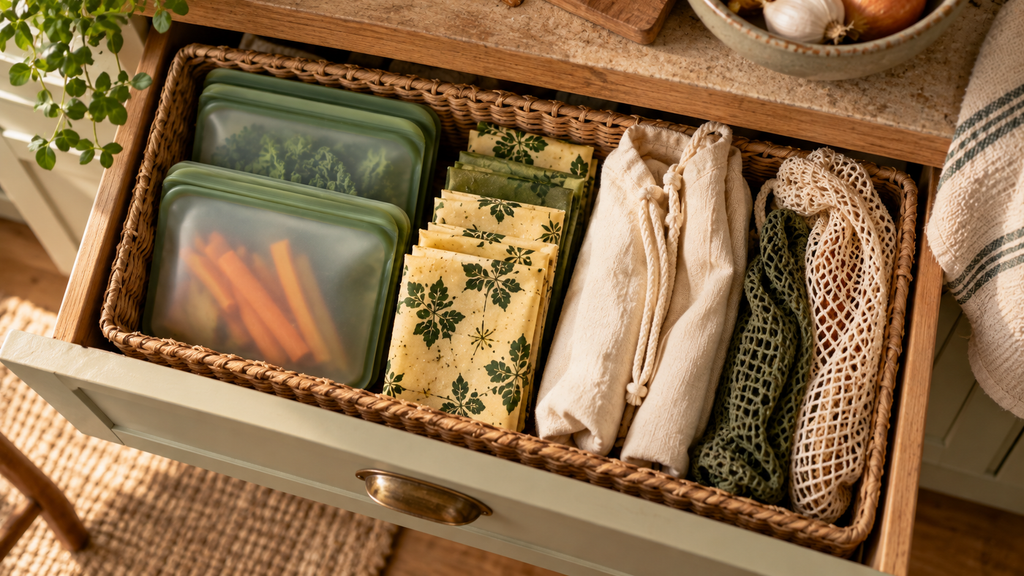
For us, yes — not because it solved anything overnight, but because it quietly removed a stream of small plastic waste from the kitchen without adding much extra effort once the initial swap was made. Start with one type — mesh bags for veg, or a couple of beeswax wraps for lunches — rather than replacing everything at once. It’s a far more sustainable way to make the change stick.
Nikki writes Daya Tree from her home kitchen and garden, testing sustainable swaps the slow way — properly, and over time, rather than all at once.