Companion Planting & 6 More Allotment Garden Essentials for a Bountiful UK Plot
As an Amazon Associate I earn from qualifying purchases and sometimes recommend products from other sellers at no extra cost you. For more details see my disclosure policy and privacy policy.
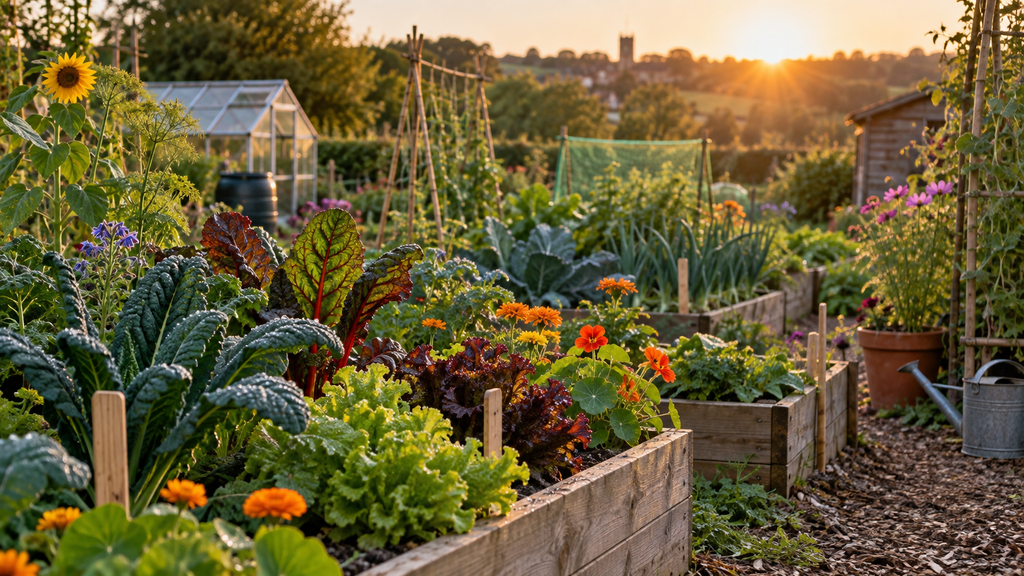
Running a productive allotment isn’t about doing everything perfectly — it’s about a handful of habits that compound over a season. Companion planting UK allotment growers swear by is one of them, but it works best alongside a few other basics: watering that doesn’t waste your time or your water bill, a planting calendar that keeps beds working year-round, and pest control that doesn’t reach for chemicals first. Here’s what’s actually made the difference on my plot.
Companion Planting
Companion planting means pairing crops that help each other grow, rather than competing for the same space and nutrients. Plant basil next to your tomatoes, for example, and you’ll often get better flavour and fewer aphids — the basil’s scent confuses pests looking for tomato plants by smell alone. Marigolds do a similar job around brassicas, and nasturtiums are brilliant as a “sacrifice crop,” pulling blackfly away from beans before they reach your main harvest.
The principle scales to a whole plot, not just a single bed. If you’re still working out your layout, it’s worth reading alongside our guide to growing your own food on a budget, which covers which crops give you the best return for the space they take up — useful context before you start pairing plants.
Quick takeaway: companion planting is a free, chemical-free way to boost yields and cut down on pest damage — the only cost is planning your layout a little more carefully.
Free download
Get the Non‑Toxic Home Audit Checklist
A room‑by‑room checklist to help you spot what’s worth swapping in your home — and what’s not worth worrying about. Join the fortnightly newsletter and it’s yours.
No spam, unsubscribe any time.
Allotment Garden Watering System
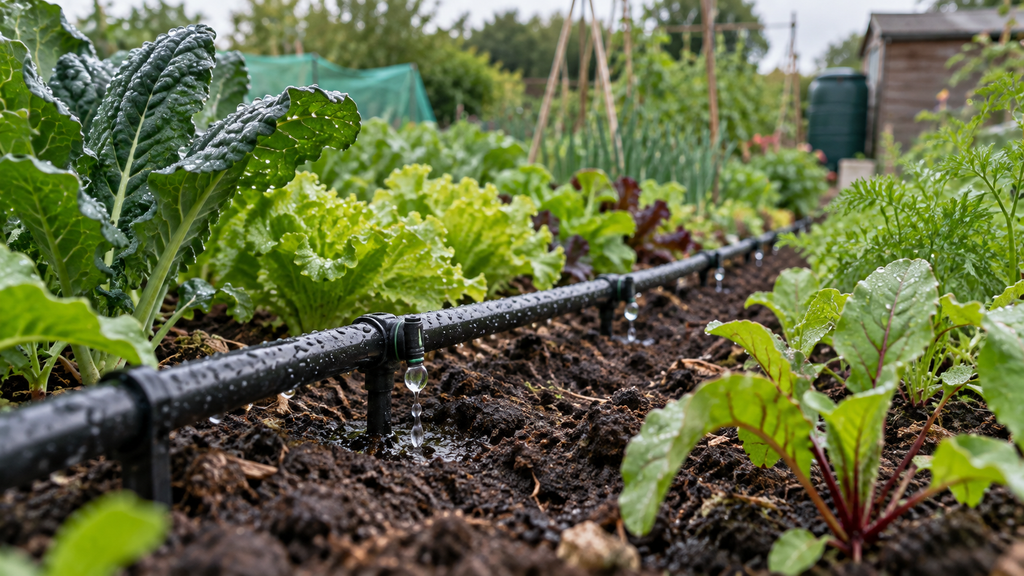
An allotment eats time, and watering is usually where most of it goes. Drip irrigation solves this properly — a simple hose-fed system delivers water straight to the root zone, so nothing is lost to evaporation or wasted on paths and weeds. Even a basic gravity-fed drip kit, run from a water butt, will outperform hand-watering with a can on a hot week, and it means your plants get consistent moisture rather than a feast-then-drought cycle.
If you’re setting one up from scratch, pairing it with rainwater harvesting is the obvious next step — our piece on rainwater harvesting for gardens walks through UK-specific setups and what they actually save you over a season.
Quick takeaway: a drip system pays for itself in saved time within a few weeks, and consistent watering does more for yield than almost any other single change.
Seasonal Planning
Staggering what you sow and harvest keeps your allotment productive from spring right through to the first frosts, rather than producing one enormous glut and then nothing. Working backwards from your local last-frost date, plan successive sowings of fast crops like salad leaves and radishes every few weeks, while slower crops go in once and hold their spot for months.
February and March are the months that set the tone for the rest of the year — our guide to preparing your garden for spring covers exactly what to prioritise before the growing season properly starts.
Quick takeaway: a staggered sowing plan turns one big harvest into a steady, manageable supply — and it’s the difference between a glut you can’t use and a plot that feeds you all year.
Mulching
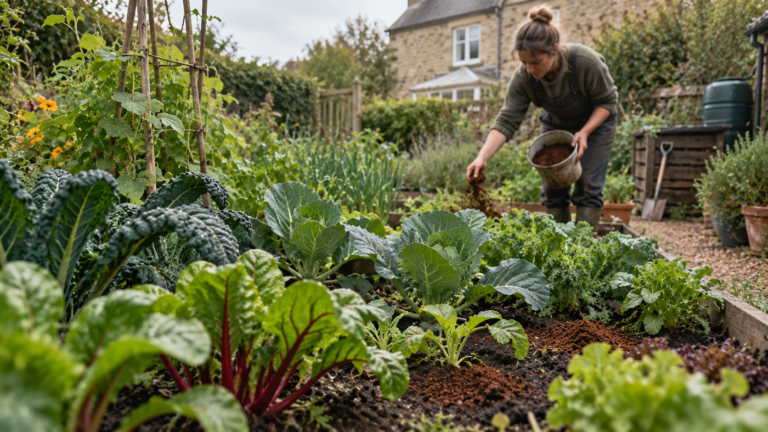
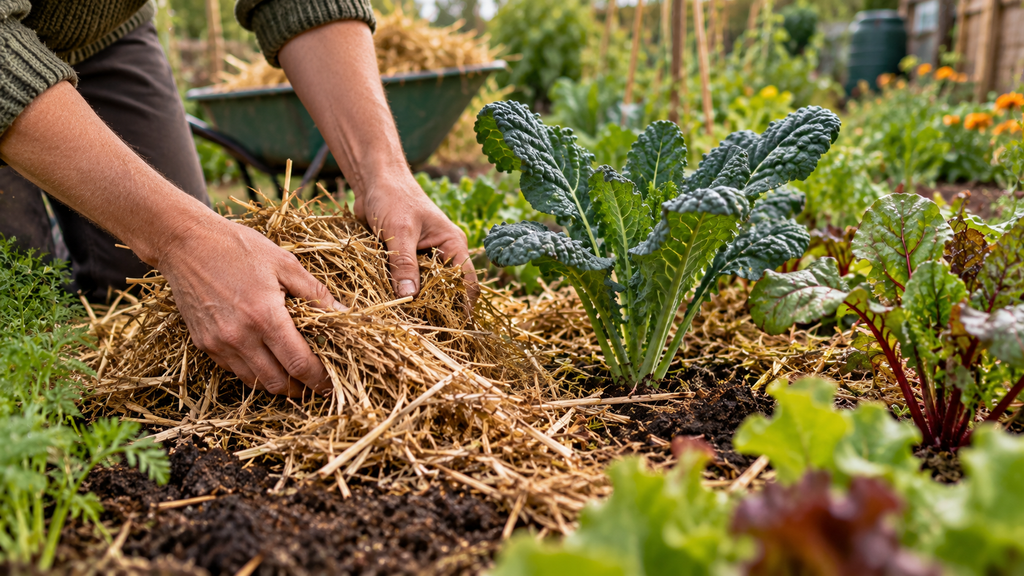
A generous layer of mulch — straw, well-rotted manure, leaf mould, or homemade compost — does three jobs at once: it locks moisture into the soil, smothers weed seedlings before they establish, and slowly breaks down to feed the soil beneath it. It’s one of the lowest-effort, highest-return jobs on an allotment, and it noticeably cuts down how often you need to water in a dry spell.
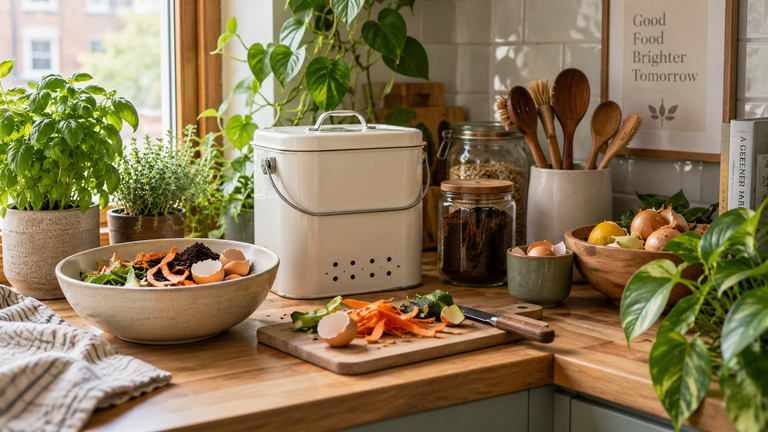
If you’re making your own mulch from kitchen and garden waste, it’s worth reading our small-space composting guide first — it’ll help you build a system that keeps pace with what your plot actually produces.
Quick takeaway: mulching once in spring can save hours of weeding and watering later in the season — it’s the closest thing an allotment has to a shortcut.
Pest Control
Reaching for pesticides first tends to cause more problems than it solves — it kills the predatory insects that would otherwise be doing the job for you. Ladybirds and lacewing larvae get through aphids at a rate no spray can match, and a few well-placed flowering plants (marigolds, alyssum, fennel) will draw them into your beds naturally. Physical barriers — fleece, netting, and copper tape around vulnerable crops — handle most of what’s left.
This links directly back to companion planting above: the plants you choose to pair aren’t just there for flavour, they’re doing active pest management. If slugs are your main issue, that’s usually a mulching and watering-timing problem as much as a pest one — worth revisiting the sections above together.
Quick takeaway: attracting the right insects and using barriers does more long-term good for your plot than any spray, and it keeps the rest of your ecosystem intact.
Keep Records
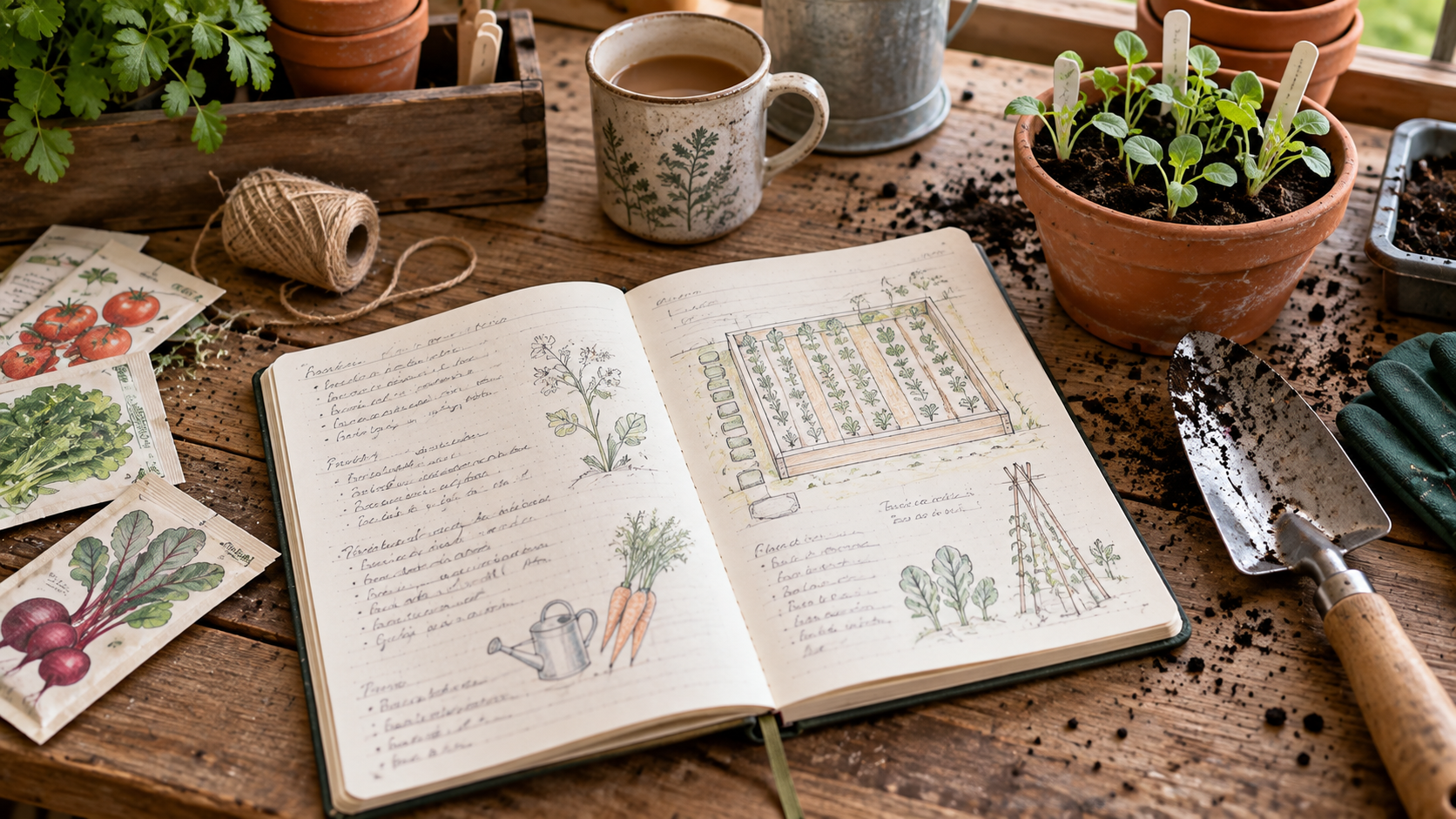
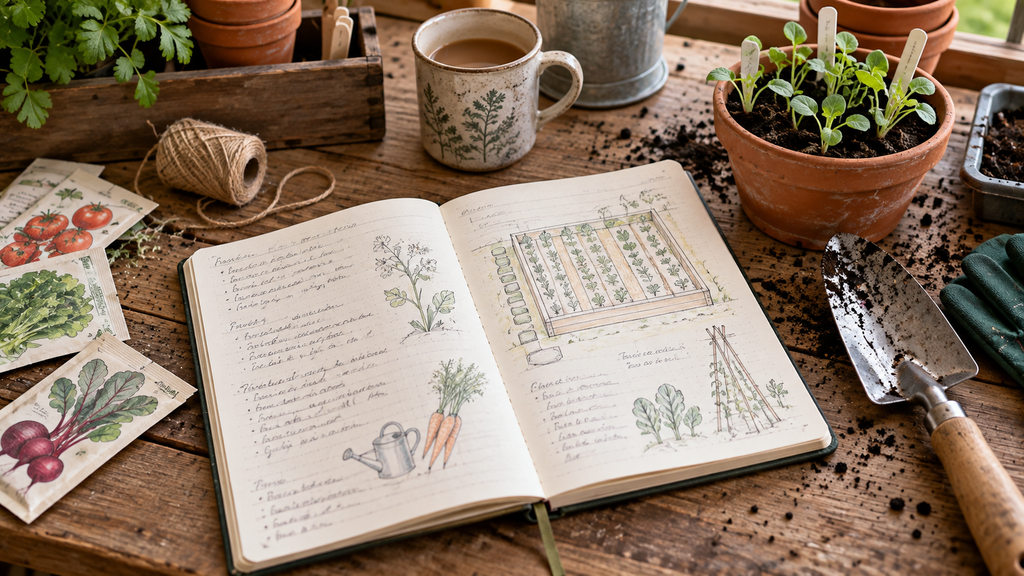
A simple garden journal — what you planted, when, what worked, and what didn’t — is the one habit that makes every future season easier. Note sowing dates, which varieties cropped well, where pests showed up, and roughly how much you harvested from each bed. After a couple of seasons, patterns emerge: which crops are worth the space, which beds need more feeding, and when your specific plot’s frost dates actually fall (rather than the generic ones on a seed packet).
If you’re growing for genuine savings rather than just the hobby of it, this record-keeping is what lets you measure it properly — our guide to the most cost-effective vegetables to grow in a UK garden is a good benchmark to track your own results against.
Quick takeaway: a season or two of notes turns guesswork into a plan you can actually trust — it’s the cheapest upgrade you can make to your growing.
Cultivating a Bountiful and Vibrant Allotment Garden
None of this requires expensive kit or perfect conditions — it requires a handful of habits applied consistently. Start with a thoughtful layout using companion planting, back it up with a watering system that doesn’t rely on you remembering every evening, and let mulching and seasonal planning do the heavy lifting through the year. Add natural pest control instead of reaching for chemicals, and keep enough notes that next year is easier than this one.
If you’re just getting your plot going, our complete allotment garden tips piece is a good companion read alongside this one, and if you’d rather grow in containers or a small space, we’ve got you covered in our guide to container veg growing for renters.