Teaching Kids About Biodiversity: Backyard Bug Hunt Adventure
As an Amazon Associate I earn from qualifying purchases and sometimes recommend products from other sellers at no extra cost you. For more details see my disclosure policy and privacy policy.
Getting children excited about biodiversity doesn’t require an exotic location or expensive equipment. Your own backyard can transform into a thrilling safari of discovery. Young naturalists can explore the fascinating world of insects and other small creatures that call your garden home. A backyard bug hunt provides hands-on learning experiences but helps children develop an appreciation for our ecosystem.
Setting Up Your Bug-Finding Adventure
Before heading out on your expedition, gather some simple tools that will enhance the experience. A magnifying glass becomes a window into a microscopic world, while a clean empty jar with air holes serves as a temporary observation container. Equip your young explorer with a small notebook and colored pencils for sketching discoveries, and don’t forget to explain the importance of treating all creatures with gentle care and respect.
Making Discoveries and Building Knowledge
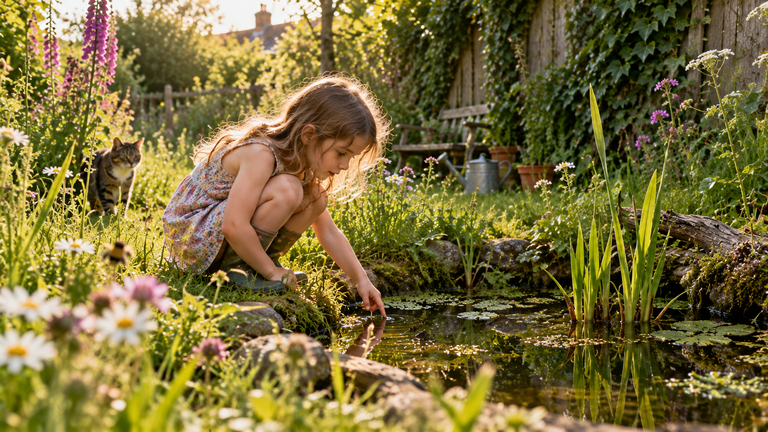
As children search under leaves, peek between flower petals, and carefully lift rocks, they’ll begin to notice patterns in where different insects prefer to live. This natural investigation process teaches them about habitats and adaptation. Encourage them to observe how a pill bug curls into a protective ball, how an ant carries food back to its colony, or how a spider constructs its intricate web. These moments of discovery spark questions that lead to deeper learning about the roles different creatures play in our ecosystem.
Creating Lasting Connections with Nature
The real magic happens when children start recognizing the same types of insects visiting their garden day after day. They might notice how bees are more active during certain times of day, or how different species of butterflies prefer specific flowers. This recurring connection helps them understand the concept of biodiversity in a tangible way, fostering a sense of stewardship for the natural world that can last a lifetime.
Free download
Get the Non‑Toxic Home Audit Checklist
A room‑by‑room checklist to help you spot what’s worth swapping in your home — and what’s not worth worrying about. Join the fortnightly newsletter and it’s yours.
No spam, unsubscribe any time.
Turning Observations into Understanding
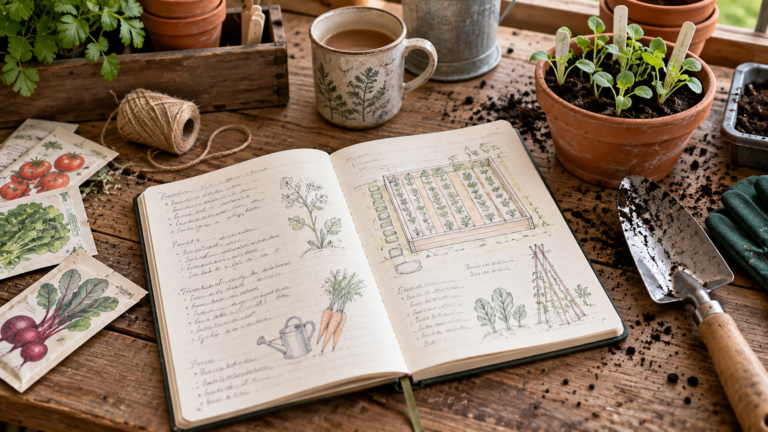
End each bug hunt session by discussing what you’ve found together. Help children categorize different insects, count legs and wings, and notice distinctive features. This is an excellent opportunity to introduce basic scientific concepts like classification and life cycles. Consider starting a backyard bug journal where children can track their findings across seasons, creating a lasting record of their scientific journey.
From Curiosity to Conservation
As children become more familiar with the tiny inhabitants of their backyard, they naturally develop empathy for these small creatures. This awareness can lead to conversations about wider environmental issues and the role we all play in protecting biodiversity. Creating insect-friendly garden spaces or reducing pesticide use, become meaningful ways for children to contribute to conservation efforts right at home.
Through these backyard explorations, children develop not just knowledge about biodiversity, but also critical thinking skills, patience, and a sense of wonder that can inspire a lifelong interest in science and nature conservation. The humble backyard bug hunt proves that sometimes the most impactful learning experiences happen right outside our door.
More from DayaTree: