The Ultimate Guide to Christmas Recycling
As an Amazon Associate I earn from qualifying purchases and sometimes recommend products from other sellers at no extra cost you. For more details see my disclosure policy and privacy policy.
The festive season brings joy, celebration, and unfortunately, a significant increase in household waste. From mountains of wrapping paper to leftover food and packaging, Christmas can be particularly challenging for those trying to maintain eco-friendly habits. However, with proper planning and knowledge, you can significantly reduce your holiday waste footprint. This comprehensive guide will walk you through everything you need to know about Christmas recycling.
Understanding Material Sorting
When it comes to wrapping paper and cards, not everything that sparkles can be recycled. Plain wrapping paper is generally recyclable – use the scrunch test to check. If it stays crumpled, it can typically be recycled. Paper gift bags (with handles removed) and non-glitter Christmas cards are also recyclable. However, anything with foil, glitter, or metallic elements needs to go in the general waste. This includes metallic gift bags, ribbon, bows, and cards with glitter or batteries.
Packaging materials require careful sorting too. While cardboard boxes (broken down flat), paper packaging, clean plastic packaging, and glass bottles can usually be recycled, items like Styrofoam and bubble wrap often can’t be processed through standard recycling programs. For plastic film, check your local guidelines as some areas collect it separately.
Christmas trees and decorations present their own recycling challenges. Natural Christmas trees can be recycled through local collection schemes – these are often turned into mulch or compost. Paper decorations are generally recyclable, and clean tinsel might be accepted in some areas. However, artificial trees (though not recyclable) should be donated if in good condition. Broken glass ornaments and electric decorations typically need to go in general waste.
Free download
Get the Non‑Toxic Home Audit Checklist
A room‑by‑room checklist to help you spot what’s worth swapping in your home — and what’s not worth worrying about. Join the fortnightly newsletter and it’s yours.
No spam, unsubscribe any time.
Managing Food Waste
Food waste is particularly prevalent during Christmas, but much of it can be managed sustainably. Fruit and vegetable scraps, coffee grounds, tea bags, eggshells, bread, nutshells, and paper napkins can all be composted. However, meat, fish, dairy products, oils, fats, sauces, and cooked food leftovers should not go in home composting systems.
To prevent food waste, start with careful planning. Create detailed meal plans, calculate portions accurately, and check your existing supplies before shopping. Proper storage is crucial – use appropriate refrigeration techniques, freeze suitable leftovers, and always use airtight containers. Label and date everything to keep track of what needs to be used first.
Leftover food can be transformed into new meals. Turkey can become soup or sandwiches, vegetable scraps can make flavorful stock, and stale bread works perfectly in bread pudding. Even fruit past its prime can be blended into smoothies. For cooking oils, never pour them down drains or dispose of them in the garden. Instead, let them cool completely, store in sealed containers, and take them to local recycling centers or designated oil recycling points.
Utilizing Local Resources
Most communities offer specific services for holiday waste. Check your city’s website for special collection schedules, particularly for Christmas trees. Many areas now have recycling apps that provide real-time updates about collections and acceptable materials. Recycling centers often extend their hours during the holiday season, and community drop-off points may be set up for items like Christmas trees and cards.
The key to successful recycling is proper preparation. Always clean items before recycling them, remove any non-recyclable elements (like tape and adhesives), and separate different materials. Size matters too – many facilities have restrictions on how large items can be, so break down boxes and other materials accordingly.
Creative Upcycling Solutions
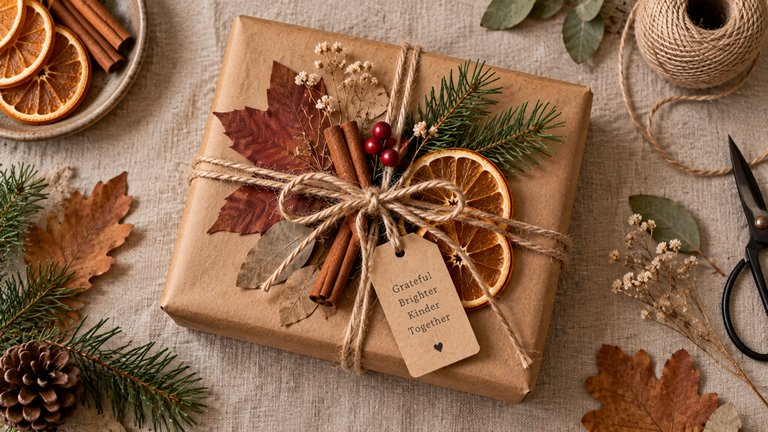
Before sending items to recycling, consider if they could be repurposed. Christmas cards can become gift tags, bunting, or ornaments for next year. Wrapping paper might line drawers or create paper chains. Sturdy boxes make excellent storage solutions for decorations, while glass jars can transform into beautiful candle holders or planters.
Natural materials have particular potential for upcycling. Christmas tree branches can become mulch or natural bird feeders, and needles make wonderful potpourri. Even packaging materials can find new life as organizing systems or craft supplies.
Christmas recycling Planning for Next Year
Looking ahead is crucial for sustainable Christmas celebrations. When shopping for next year, choose recyclable wrapping paper and minimal packaging. Invest in reusable alternatives where possible. Create an organized storage system for items you can reuse, and maintain a clear inventory to avoid unnecessary purchases.
Remember that recycling guidelines vary by location, so always check your local requirements. While this guide provides general principles, specific rules may apply in your area. By following these guidelines and thinking creatively about waste reduction, you can make your Christmas celebrations more environmentally friendly without sacrificing any of the joy and festivity of the season.
Your efforts in recycling during the holiday season make a significant difference to our environment. Every card recycled, every food scrap composted, and every item repurposed contributes to a more sustainable celebration. Start implementing these practices this Christmas, and you’ll be amazed at how much you can reduce your holiday waste while maintaining all the magic of the season.
More from DayaTree: