Sustainable Fashion for Kids: Organizing a Clothes Swap Party
As an Amazon Associate I earn from qualifying purchases and sometimes recommend products from other sellers at no extra cost you. For more details see my disclosure policy and privacy policy.
Children grow so quickly that their clothes often still look new when they no longer fit. A clothes swap party is a fantastic way to give these garments a second life while teaching kids about sustainability and sharing. Here’s how to organize a successful children’s clothes swap event that’s both eco-friendly and fun.
Planning Your Swap
The key to a successful clothes swap lies in thoughtful organization. Start by choosing a venue with plenty of space – your home, community center, or local school gymnasium could work perfectly. Plan for areas to sort clothes by size and gender, and create a designated trying-on space with mirrors.
Send invitations at least three weeks in advance, asking each family to bring clean, gently used children’s clothing. Specify acceptable conditions: no stains, tears, or missing buttons. Consider setting a minimum number of items per family to ensure enough variety.
Setting Up the Space
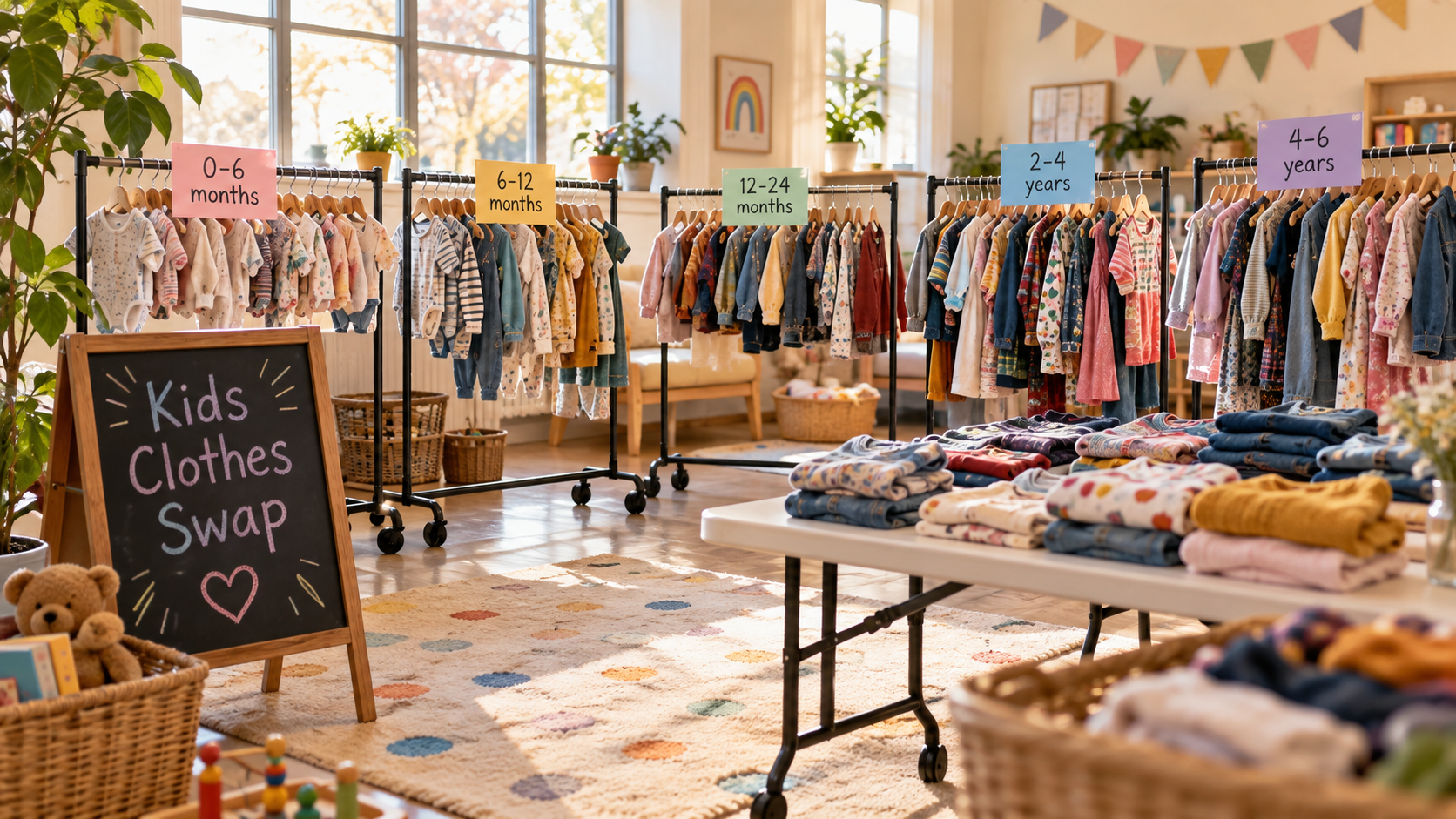
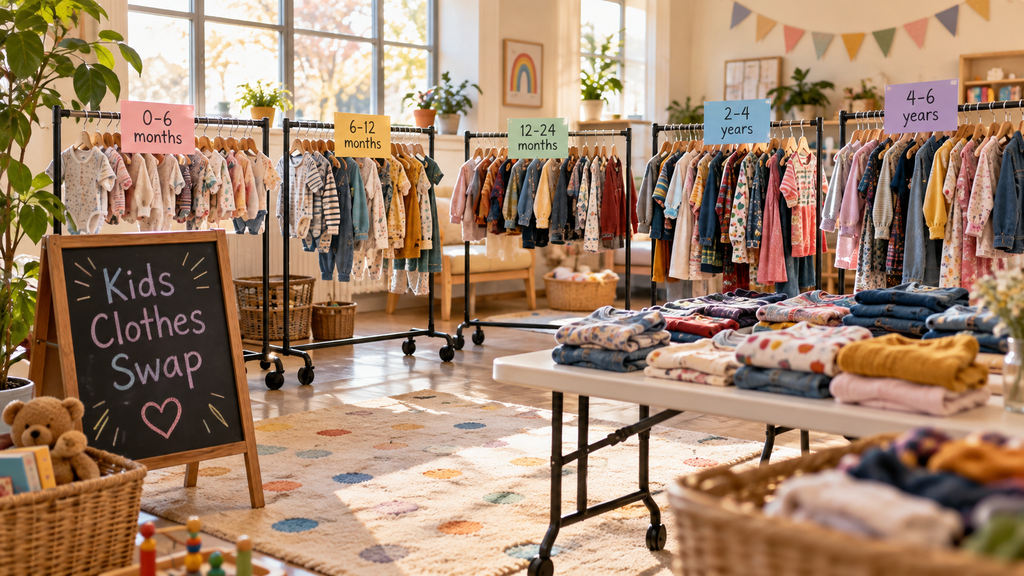
Create clearly marked sections for different age groups and clothing types. Use tables or clothing racks (borrowed or rented) to display items properly. Set up signs indicating sizes: 0-6 months, 6-12 months, 1-2 years, and so on. Don’t forget to include a section for shoes and accessories.
Free download
Get the Non‑Toxic Home Audit Checklist
A room‑by‑room checklist to help you spot what’s worth swapping in your home — and what’s not worth worrying about. Join the fortnightly newsletter and it’s yours.
No spam, unsubscribe any time.
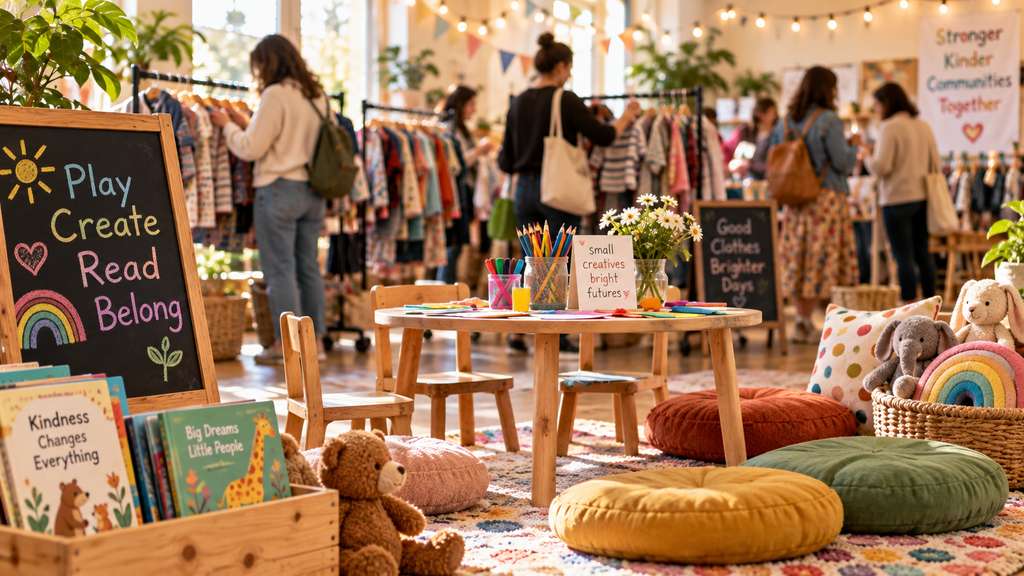
Make the event engaging for kids by setting up a play area where they can have fun while parents browse. This could include simple crafts, books, or games related to environmental awareness.
The Swapping System
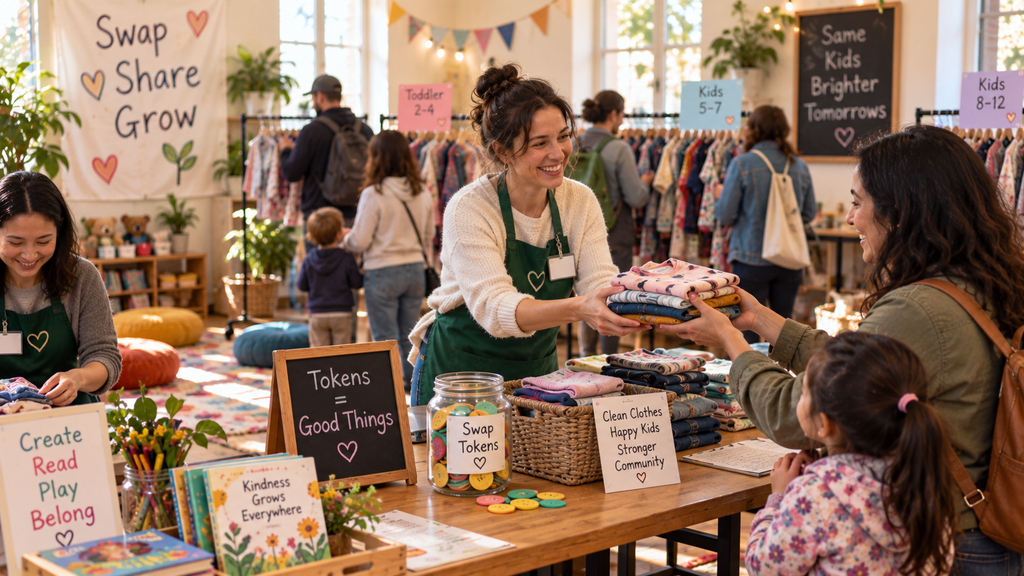
Implement a fair exchange system. One approach is to give each participant tokens based on the number of items they bring. Another option is to allow guests to take home the same number of pieces they contributed. Have volunteers help monitor the exchange and keep things organized throughout the event.
Consider having a “quality check” station where items can be inspected before being added to the swap. This ensures all clothing meets the established standards and helps maintain the event’s quality.
Making It Fun and Educational
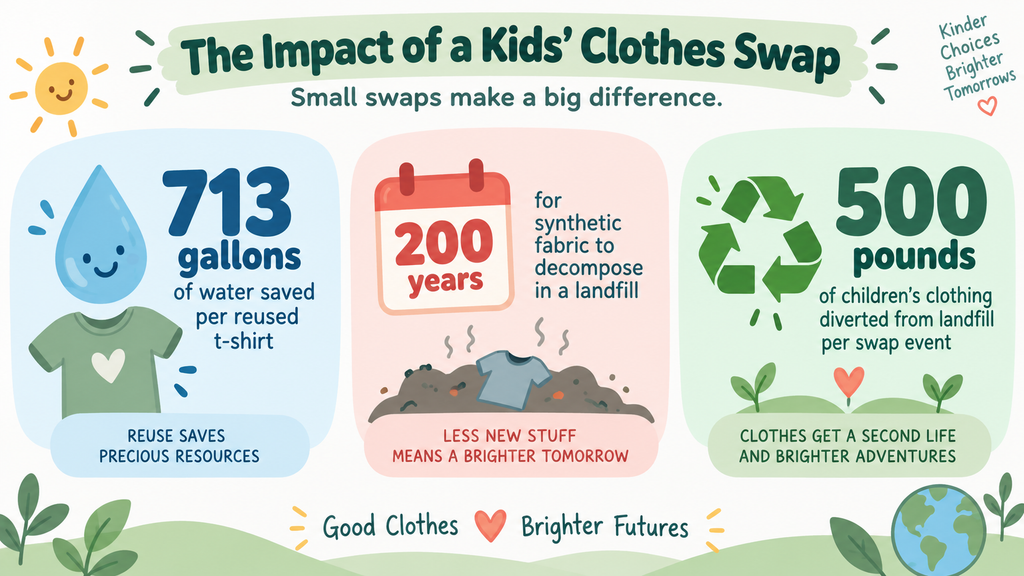
Turn this into a learning opportunity by creating educational displays about fast fashion’s environmental impact and the benefits of reusing clothes. You might include simple statistics like how many gallons of water it takes to make a new t-shirt or how long synthetic materials take to decompose.
Organize a mini fashion show where kids can model their “new” outfits. This adds excitement and helps children feel proud of their secondhand finds. You could even award prizes for the most creative combinations or best sustainable fashion tips.
Handling Leftover Clothes Swap Party Items
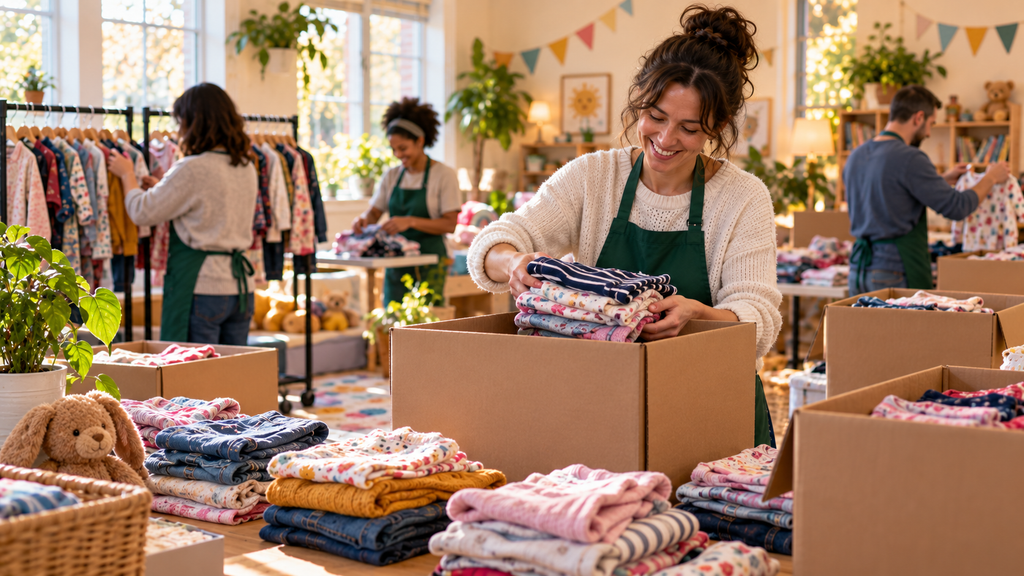
Plan ahead for what to do with unclaimed clothing. Partner with local charities or children’s organizations that can put these items to good use. Share information about these organizations with participants to emphasize the community impact of their participation.
Creating Lasting Impact
End the event by giving participants tips on clothing care to help items last longer. Share information about future swap events or create a social media group where families can continue exchanging clothes throughout the year.
Consider providing each family with a “sustainability starter kit” – perhaps a simple guide with washing tips, basic sewing instructions for minor repairs, and local resources for responsible clothing disposal.
The Benefits Beyond Sustainability
While the environmental impact is significant, clothes swap parties offer many other benefits. They help families save money, teach children about sharing and community, and create opportunities for social connections. Parents can exchange parenting tips and kids can make new friends.
Making A Clothes Swap Party a Regular Event
Success often leads to demand for more swap events. Consider making this a seasonal gathering, allowing families to exchange weather-appropriate clothing four times a year. This creates a sustainable cycle that benefits everyone involved while building a stronger, more environmentally conscious community.
Remember, the goal isn’t just to exchange clothes – it’s to nurture a mindset of sustainability in the next generation. When children see their communities coming together to share resources and reduce waste, they learn valuable lessons that will shape their future choices.
More from DayaTree: