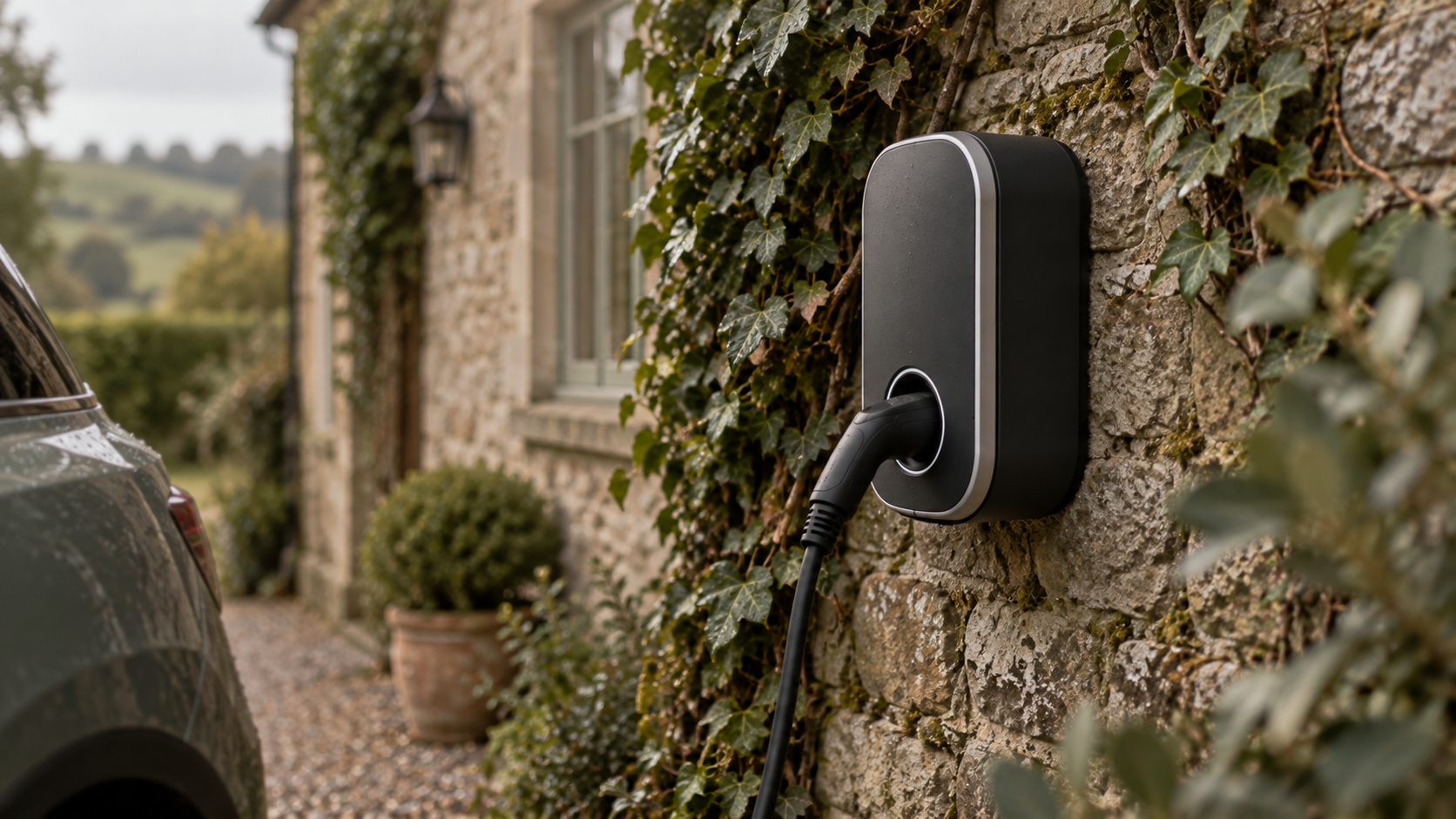
Is an Electric Car Worth It in the UK? An Honest Look at the Pros and Cons
As an Amazon Associate I earn from qualifying purchases and sometimes recommend products from other sellers at no extra cost you. For more details see my disclosure policy and privacy policy.
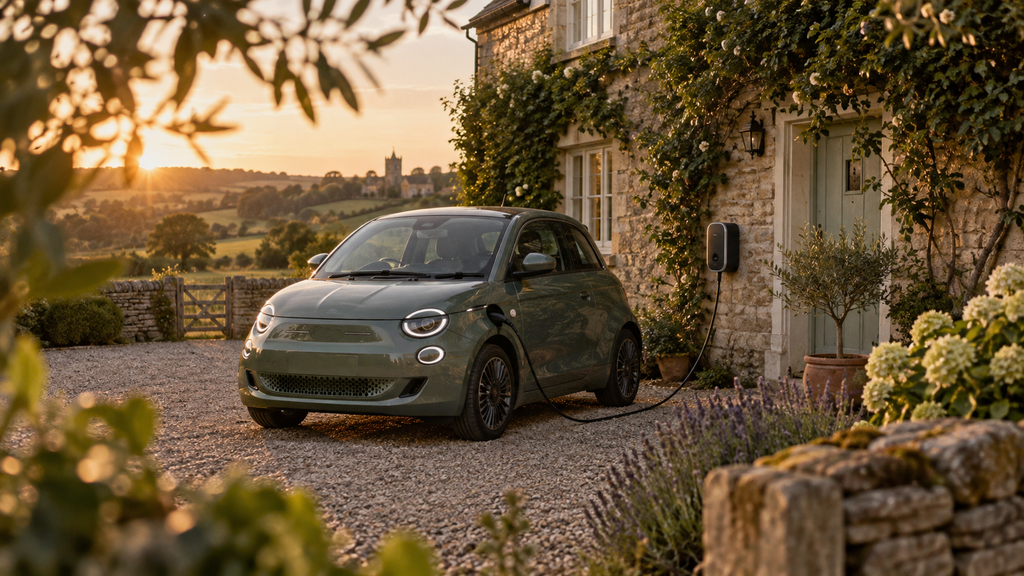
I get asked this a lot at the school gate, so let’s have the honest version — not the version written by someone who’s never had to defrost a Nissan Leaf in a Powys car park in January.
Electric vehicles have gone from novelty to normal on UK roads faster than most of us expected. But “everyone’s getting one” isn’t a reason to get one. Whether an EV actually makes sense depends on your driveway, your daily mileage, and your budget — so here’s what to weigh up before you commit.
The case for going electric
Running costs are genuinely lower — if you can charge at home
Charging overnight on a cheap home tariff typically costs a fraction of the equivalent in petrol, and EVs need far less mechanical upkeep: no oil changes, fewer brake pad replacements thanks to regenerative braking, and a simpler engine with fewer parts to fail. If you have off-street parking, this is where most of the long-term saving actually lives.
The 2026 grants make the upfront gap smaller than people assume
[LINK 1 goes here — anchor: “budget eco living approach”]. The UK’s Electric Car Grant currently knocks up to £3,750 off a new EV under £37,000 (Band 1 models), or £1,500 for Band 2 models, applied automatically by the dealer — no forms. Renters, flat owners and some landlords can also claim up to £500 towards a home charger installation from April 2026. Company car drivers get an even bigger nudge: Benefit-in-Kind tax on EVs sits at just 4% for 2026/27, against 25%+ for most petrol and diesel cars.
Free download
Get the Non‑Toxic Home Audit Checklist
A room‑by‑room checklist to help you spot what’s worth swapping in your home — and what’s not worth worrying about. Join the fortnightly newsletter and it’s yours.
No spam, unsubscribe any time.
Lower everyday emissions, not zero
EVs aren’t carbon-neutral — production and UK grid electricity still carry a footprint — but lifetime emissions are meaningfully lower than a petrol equivalent, and that gap widens as the UK grid gets greener each year.
They’re quieter, quicker off the line, and easier to live with day to day than most people expect before they’ve driven one.
Mindful Consumption: Breaking the Cycle of Impulse Buying
The trade-offs worth being honest about
Upfront cost is still higher, even with the grant. If you’re not buying new, the second-hand EV market has matured a lot and is worth a proper look before you rule an EV out on price.
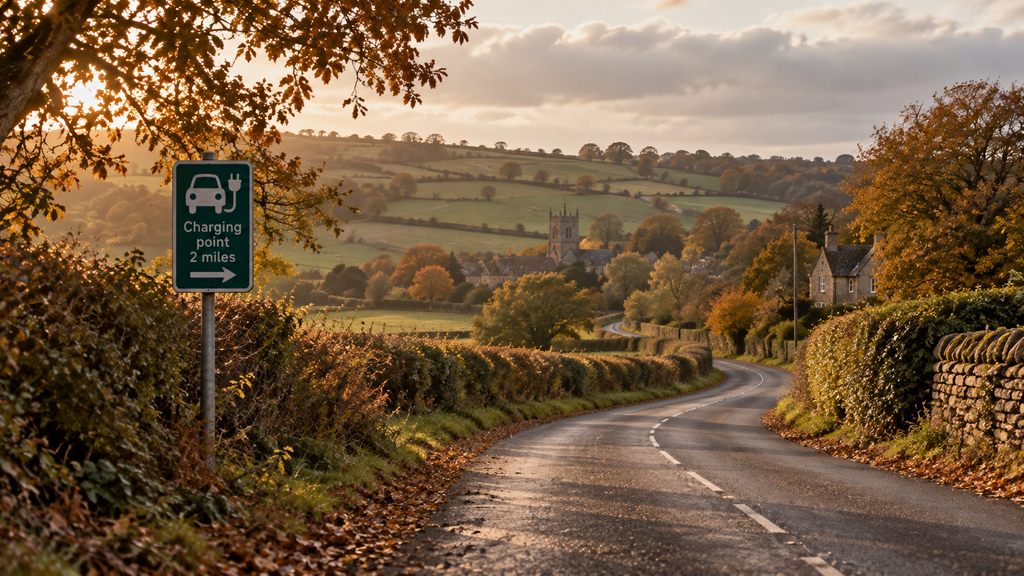
Range planning matters more if you don’t have a driveway. Public charging infrastructure is expanding, but it’s still patchier than petrol stations, and charging takes longer than filling a tank — fine for daily errands, a bit more planning for a long trip to see family.
Batteries degrade gradually. Modern batteries hold up far better than early models, but it’s worth checking warranty length (most now run 7–8 years) rather than assuming forever.
Cold weather bites into range. A British winter can noticeably reduce how far you get on a charge — cabin heating draws real power, and battery chemistry is simply less efficient in the cold. Worth factoring in if you’re close to your daily range limit already.
A simple UK decision framework
An EV is probably a good fit if:
- You have (or can get) home charging
- Your daily driving is well within typical EV range
- You’ve got another vehicle, or a lift-sharing option, for occasional long trips
- The 2026 grant genuinely closes the price gap for the model you want
It might be worth waiting if:
- You rely on street parking with no realistic charging solution nearby
- You regularly drive long distances with little notice
- The upfront cost still doesn’t work for your budget, even with the grant

The middle ground nobody talks about enough
Going electric doesn’t have to be all-or-nothing. A plug-in hybrid covers daily electric miles with petrol back-up for longer trips. A second-hand EV avoids the new-car price entirely. And sometimes the most sustainable option isn’t a new car at all it’s using what you’ve already got for a bit longer while the charging network catches up.
That’s the thread running through most of what we cover here: progress over perfection, and the right-sized choice for your actual life — not the aspirational one.

In short: if you can charge at home and your mileage is typical, 2026’s grants make now a genuinely good time to go electric. If you’re street-parking with unpredictable long drives, it’s fine to wait — the technology, and the incentives, keep improving.