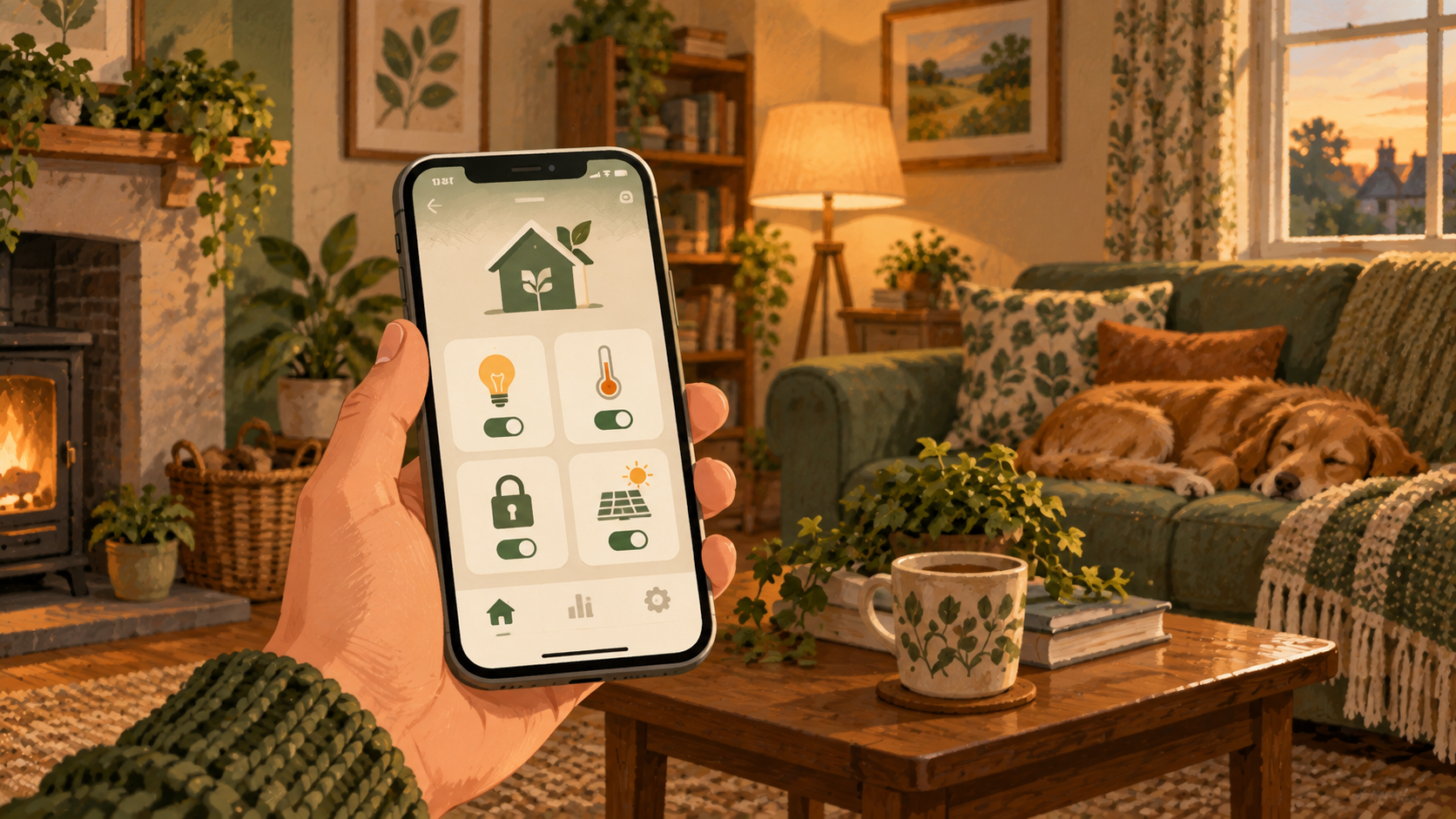
Energy-Efficient Appliances: The Budget-Friendly Way to Cut Your Bills and Your Carbon Footprint
As an Amazon Associate I earn from qualifying purchases and sometimes recommend products from other sellers at no extra cost you. For more details see my disclosure policy and privacy policy.
With UK energy prices still squeezed by the cost-of-living crunch, “energy efficiency” has stopped being a nice-to-have and become one of the most practical things a household can do. It isn’t about a total home overhaul — it’s a handful of swaps, made once, that quietly keep paying you back. I’ve spent the last few years slowly replacing appliances and bulbs as old ones give out, and the difference on our meter readings has been bigger than I expected.
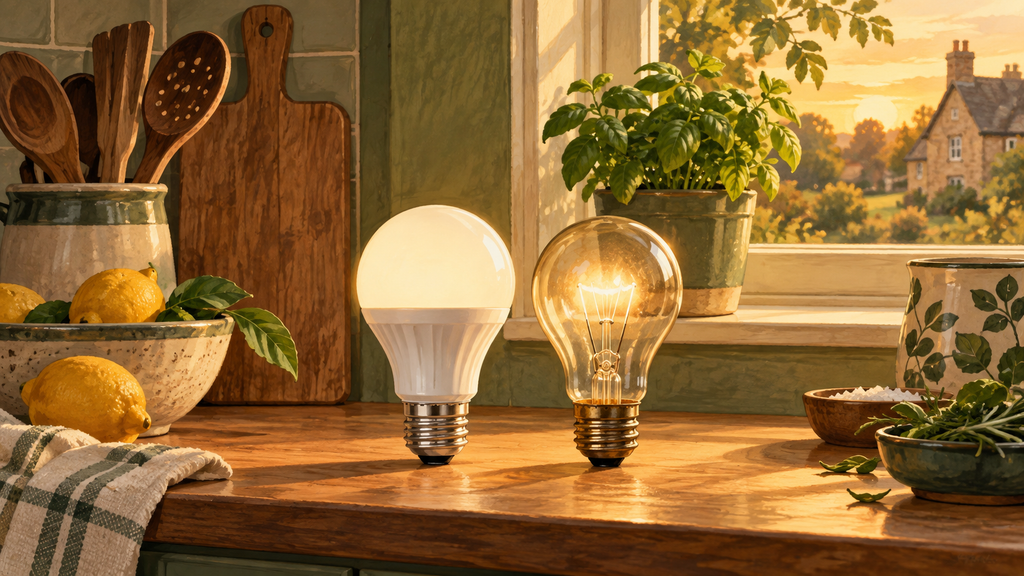
This guide walks through why energy-efficient appliances and light bulbs matter, what they actually save you, and where in the UK to find help paying for the upgrade.
In short: switching to energy-efficient appliances and LED bulbs lowers your bills, shrinks your carbon footprint, and — because the UK still has rebate schemes running — often costs less upfront than people assume.
Why Energy Efficiency Matters More Than Ever
Every appliance running in your home draws electricity from the National Grid, and in the UK a meaningful share of that electricity still comes from fossil fuels, even as the grid decarbonises year on year. Every kilowatt-hour you don’t use is one that doesn’t need generating in the first place.
Free download
Get the Non‑Toxic Home Audit Checklist
A room‑by‑room checklist to help you spot what’s worth swapping in your home — and what’s not worth worrying about. Join the fortnightly newsletter and it’s yours.
No spam, unsubscribe any time.
For UK households specifically, energy efficiency sits at the intersection of two pressures that used to feel separate: the environmental case and the financial one. That overlap is exactly why it’s worth prioritising — you’re not choosing between doing right by the planet and doing right by your bank balance.
The takeaway: energy efficiency is one of the few sustainability choices where saving money and cutting emissions point in exactly the same direction.
Cost Savings: What the Switch Actually Saves You
This is the benefit people feel fastest. Energy-efficient appliances are built to do the same job — washing, cooling, lighting a room — using meaningfully less electricity than older, less efficient versions.
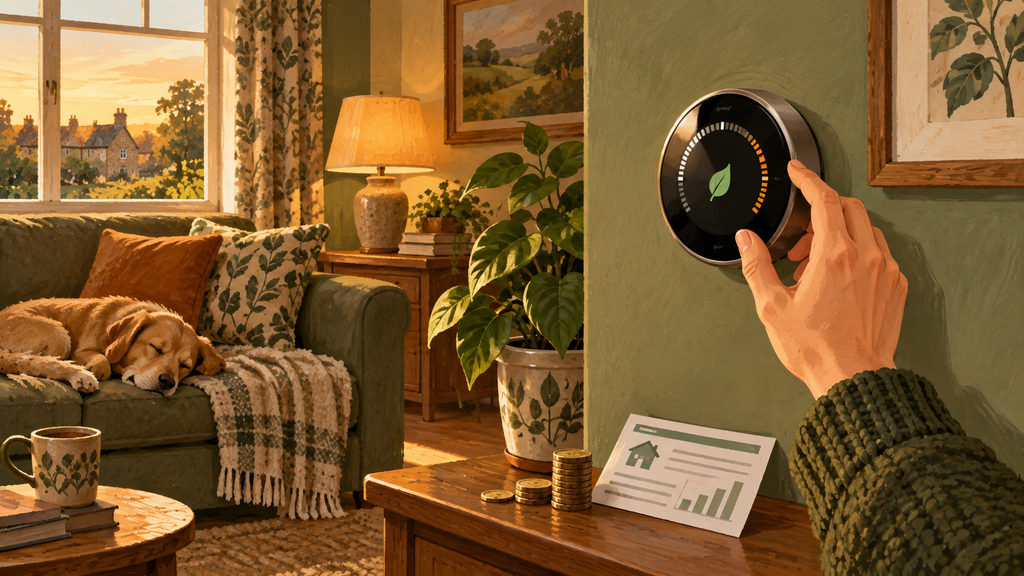
LED bulbs are the clearest example. They use a fraction of the energy of old incandescent bulbs to produce the same amount of light, which shows up directly on your next few electricity bills. Because the saving happens every single time you flick a switch, it adds up steadily rather than all at once — which is part of why it’s easy to underestimate.
When you’re shopping, the UK’s energy label (the coloured A–G scale on appliances) is the fastest way to compare running costs before you buy, not just the price on the shelf.
The takeaway: energy-efficient bulbs and appliances don’t ask you to spend more to save more — the saving is built into how little power they draw every time you use them.
Environmental Impact: Where the Saving Actually Goes
Lower energy consumption at home reduces demand on the National Grid, which in turn reduces the amount of electricity that needs generating from fossil fuel sources. It’s an unusually direct line from a small household decision to a real-world outcome.

This matters more in the UK than it might seem, because our energy mix is a genuine blend — renewables, nuclear, and gas all playing a part — so the electricity you don’t use has a real chance of displacing the fossil fuel share rather than the renewable one.
The takeaway: cutting your household energy use doesn’t just lower your bill — it reduces the pull on the parts of the grid still powered by fossil fuels.
Longevity and Performance: Fewer Replacements, Less Waste
Energy-efficient products are also, generally, longer-lived. LED bulbs are the standout: they typically last many times longer than the incandescent bulbs they replaced, which means fewer trips to buy replacements and less packaging and glass in landfill over the years.
The same logic applies to larger appliances. Efficient fridges, washing machines, and dishwashers are usually engineered with the whole lifecycle in mind, not just the energy label on the front — which tends to mean sturdier components and fewer early failures.
The takeaway: buying for efficiency once tends to mean buying less often — better for your household budget and for what ends up in the bin.
Comfort and Convenience: Smart Homes Make It Easier
Efficiency doesn’t have to mean sacrifice. Smart thermostats — UK households increasingly use options like Hive, tado°, or Google Nest — learn your routine and heat only the rooms and times you actually need, then let you adjust everything from your phone if plans change.
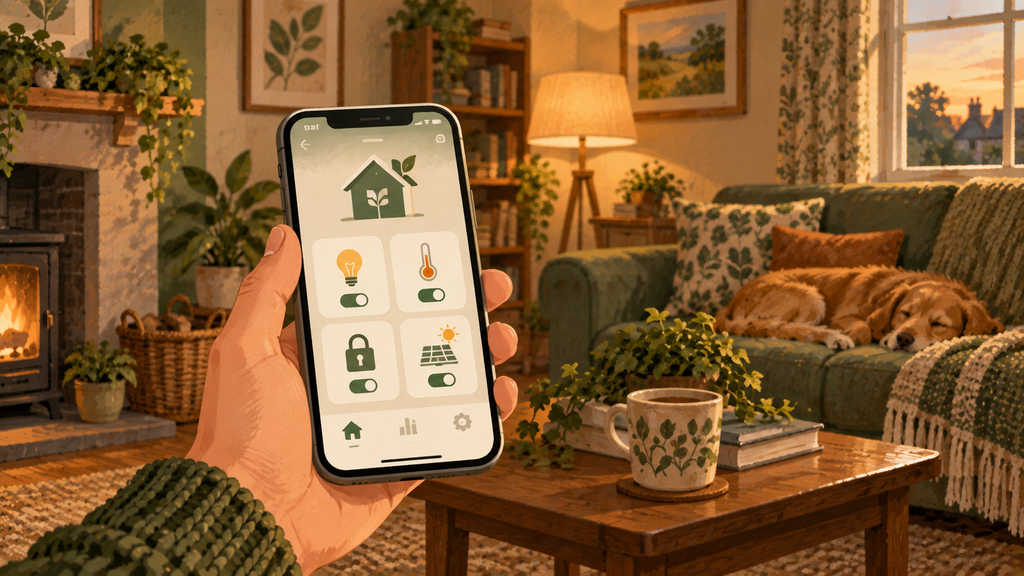
That’s the quiet shift in energy-efficient tech: it used to mean doing without, and now it often means doing the same thing with less thought and less waste.
The takeaway: the newest energy-efficient products are designed to make saving energy effortless, not restrictive.
Rebates and Incentives: Making the Switch More Affordable
The upfront cost of swapping appliances is usually the sticking point, and it’s worth knowing that UK schemes exist specifically to soften it. At the time of writing, support has included things like the Boiler Upgrade Scheme, ECO4, and cashback or discount offers run directly by energy suppliers — details and eligibility shift fairly often, so it’s worth checking Energy Saving Trust or GOV.UK for what’s currently open before you buy.
The takeaway: check what’s currently available before you buy — UK rebate schemes can meaningfully reduce the cost of switching, but they change often enough to be worth a quick look each time.
Where This Fits Into a Bigger Picture
None of this needs to happen at once. The households that stick with it tend to be the ones who swap one thing as it wears out, rather than replacing a working appliance just to chase a rating. That’s the same “progress over perfection” approach that runs through everything else on this blog — whether that’s swapping out household cleaning products or living more intentionally at home.
Switching to energy-efficient appliances and light bulbs is one of the simplest, most measurable steps toward a lower-impact, lower-cost home — and in the UK right now, there’s genuine financial help available to make the switch easier.