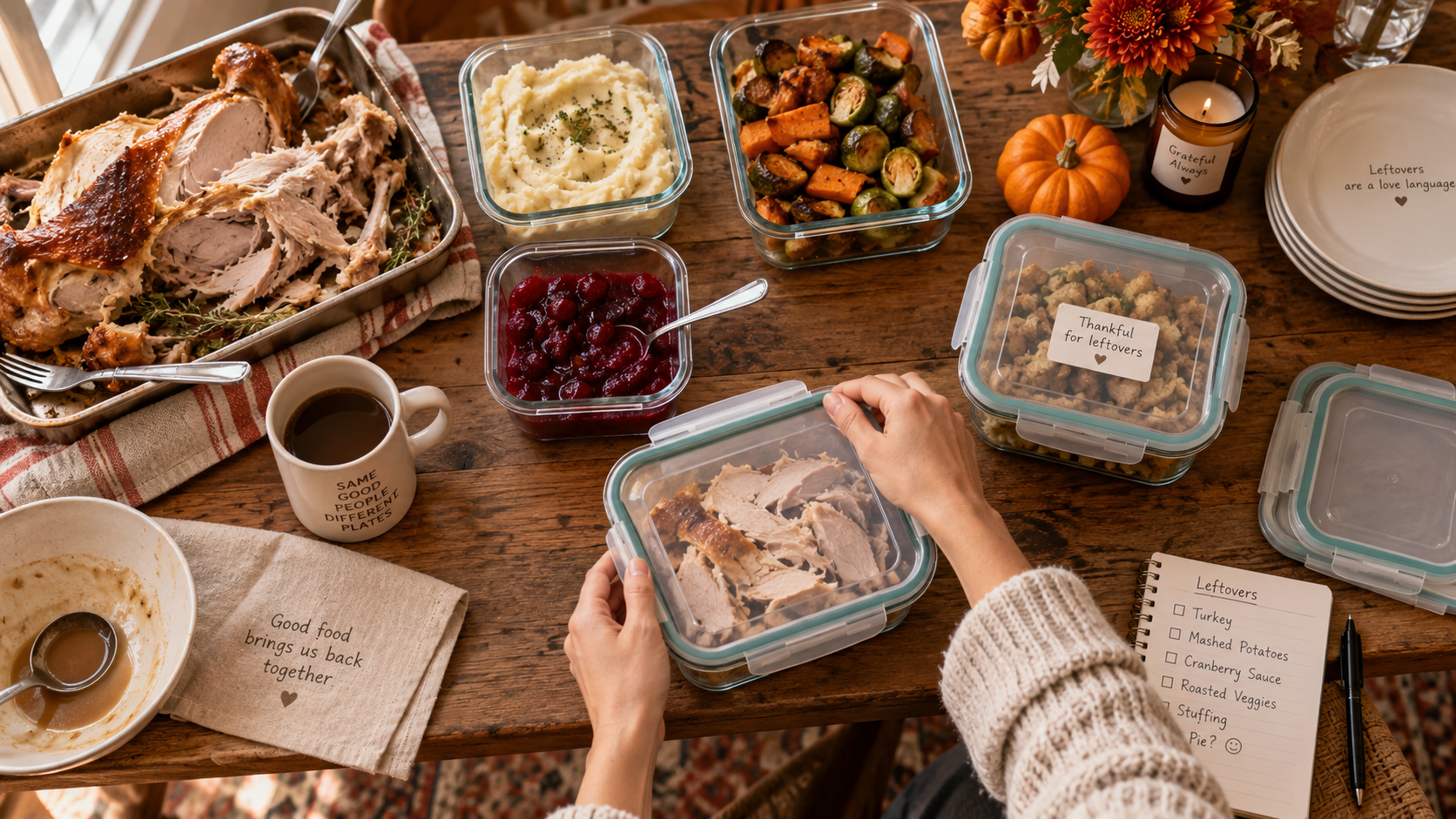
Eco-Friendly Thanksgiving Leftover Ideas to Reduce Food Waste
As an Amazon Associate I earn from qualifying purchases and sometimes recommend products from other sellers at no extra cost you. For more details see my disclosure policy and privacy policy.
The Thanksgiving Food Waste Dilemma
Eco-friendly Thanksgiving Leftover Ideas: Thanksgiving is a time for gratitude, family, and of course, an abundance of food. However, this abundance often leads to significant food waste, creating a dilemma that impacts both our environment and our wallets.
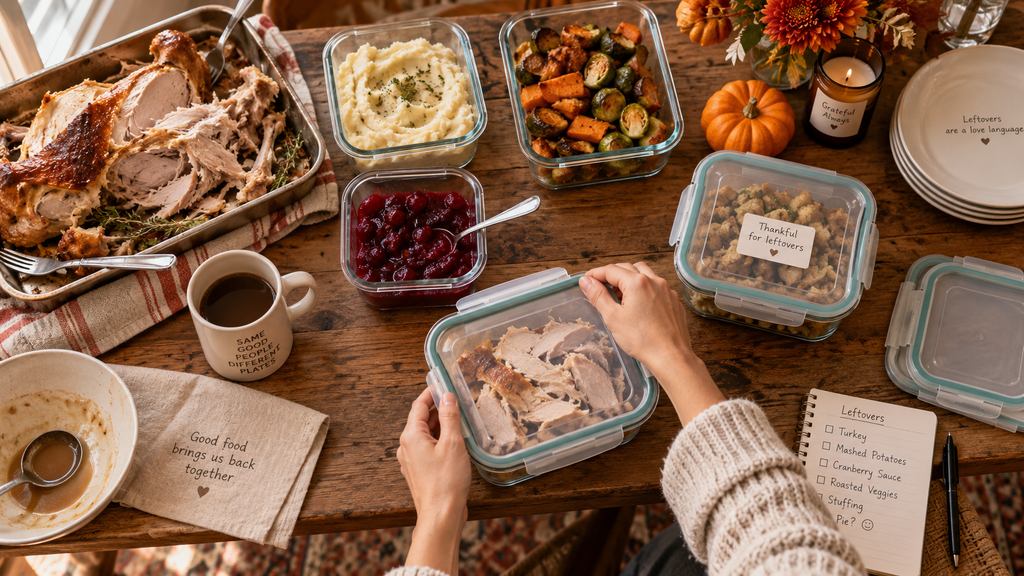
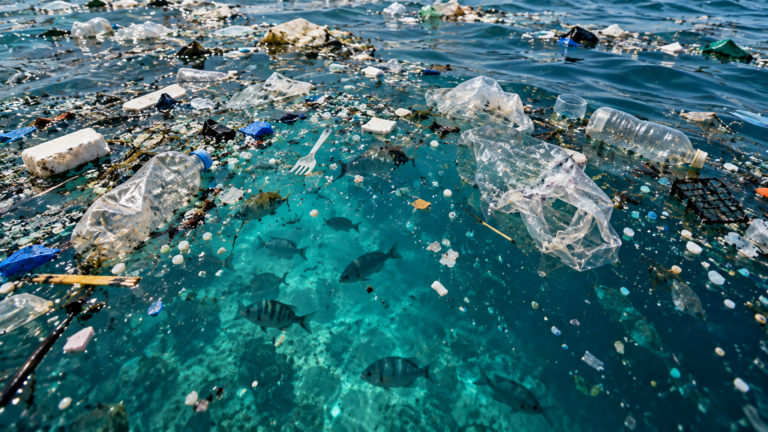
Moreover, wasting food means we’re also wasting the water, energy, and resources used to grow, process, and transport that food. By addressing this issue, we can not only reduce our environmental footprint but also honor the spirit of Thanksgiving by truly appreciating and making the most of our abundance.
Creative Leftover Recipes
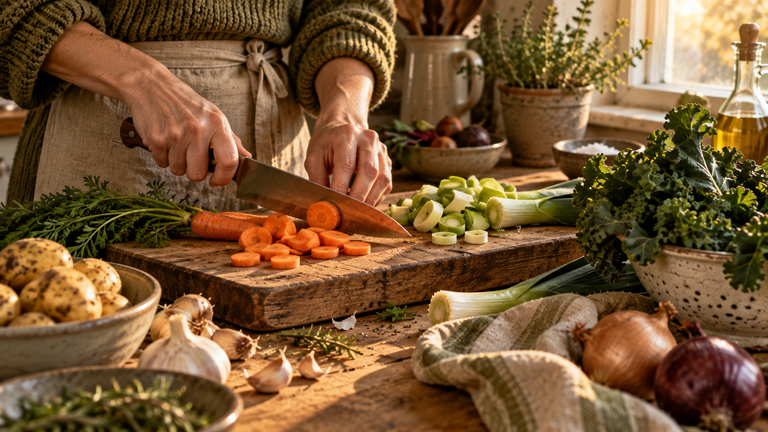
The key to reducing Thanksgiving food waste lies in reimagining your leftovers. With a bit of creativity, yesterday’s turkey dinner can become today’s culinary masterpiece. Transforming leftovers isn’t just about reheating; it’s about reinventing. By thinking outside the box, you can create entirely new meals that your family will be excited to eat.
From comforting soups to exciting international dishes, the possibilities are endless. By viewing your leftovers as ingredients rather than just reheatable meals, you open up a world of culinary possibilities that can keep your taste buds excited and your food out of the landfill.
Free download
Get the Non‑Toxic Home Audit Checklist
A room‑by‑room checklist to help you spot what’s worth swapping in your home — and what’s not worth worrying about. Join the fortnightly newsletter and it’s yours.
No spam, unsubscribe any time.
Turkey Transformations
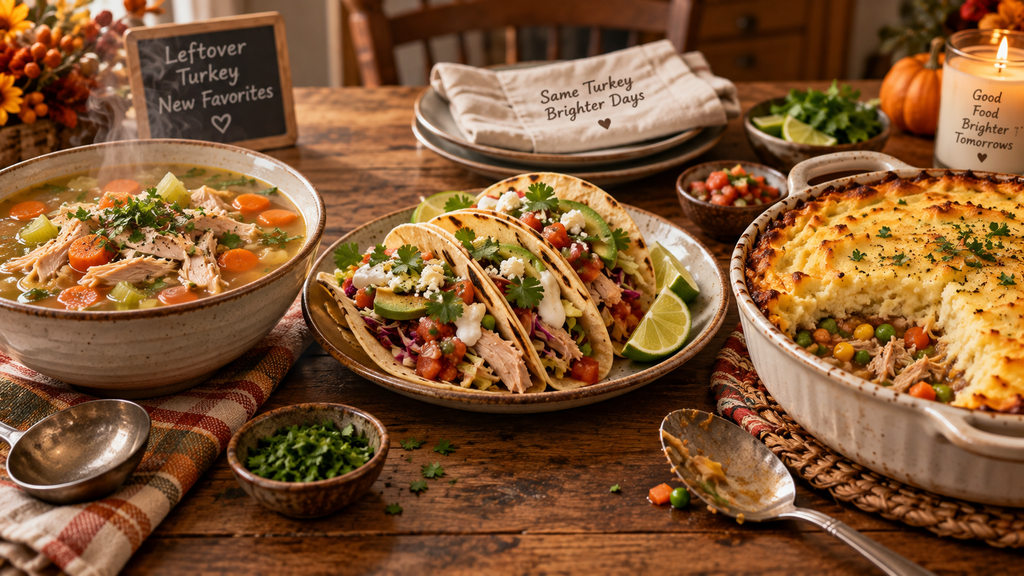
- Turkey Soup: Simmer the carcass with vegetables for a hearty soup.
- Turkey Tacos: Shred leftover turkey and serve with taco fixings.
- Turkey Shepherd’s Pie: Layer turkey and vegetables under mashed potatoes.
Vegetable Side Dish Makeovers

- Mashed Potato Pancakes: Mix with an egg and fry for a crispy breakfast.
- Stuffing-Stuffed Mushrooms: Fill large mushroom caps with leftover stuffing and bake.
- Green Bean Frittata: Combine with eggs for a quick and easy meal.
Dessert Reinventions
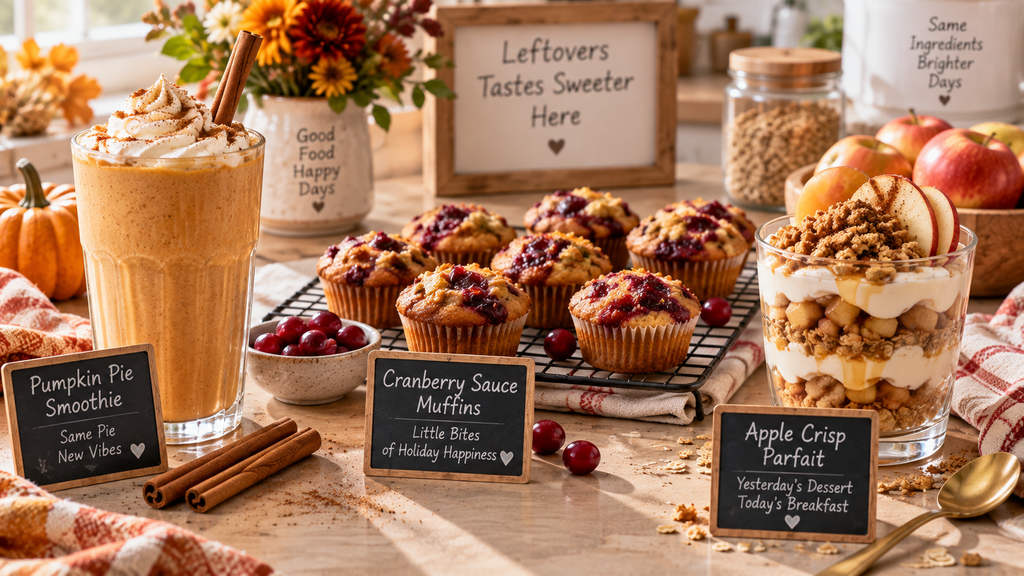
- Pumpkin Pie Smoothie: Blend a slice with milk and banana for a healthy treat.
- Cranberry Sauce Muffins: Incorporate leftover sauce into a muffin recipe.
- Apple Crisp Parfait: Layer leftover crisp with yogurt for a breakfast twist.
Composting Inedible Scraps
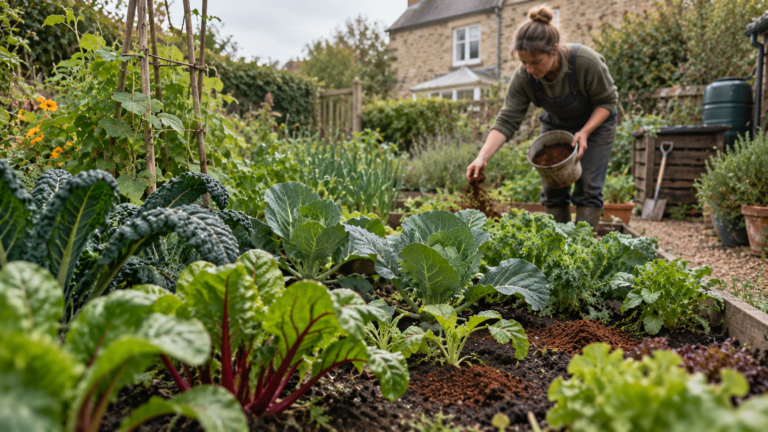
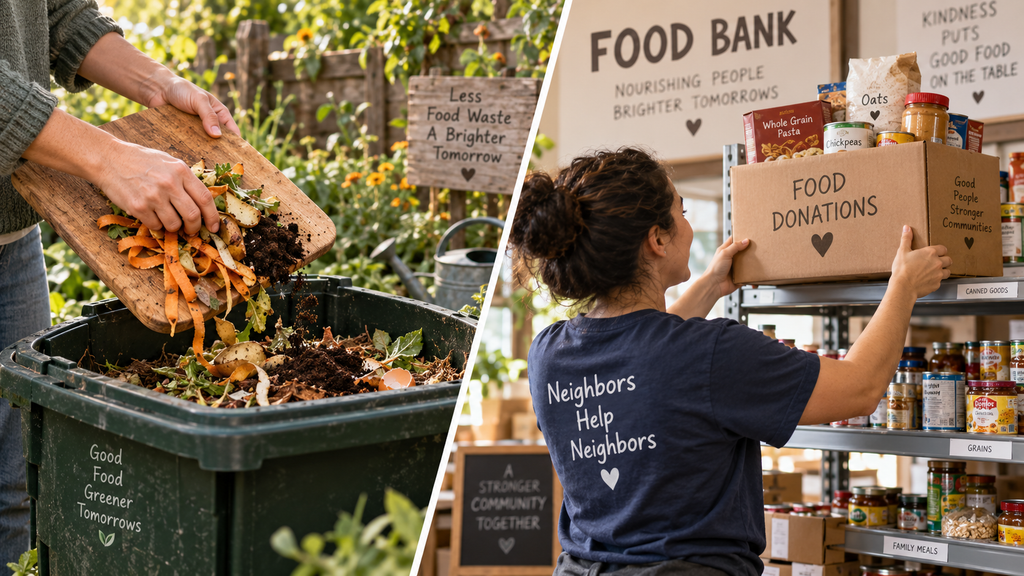
While creative recipes can help us use up most of our leftovers, some food scraps are inevitably inedible. However, this doesn’t mean they need to end up in a landfill. Composting offers a sustainable solution for these scraps, turning what would be waste into valuable nutrients for your garden.
This process mimics nature’s way of recycling organic matter, creating rich, fertile soil that can nourish future plants. Composting not only reduces the amount of waste sent to landfills but also decreases the need for chemical fertilizers in your garden. It’s a win-win situation for both your household and the environment. By composting your Thanksgiving scraps, you’re completing the food cycle, returning nutrients to the earth and reducing your carbon footprint in the process. It’s a simple yet powerful way to give thanks to the environment that provides our food.
- Compostable Thanksgiving Scraps
- Tea bags (remove any staples)
- Vegetable peelings and trimmings
- Fruit cores and rinds
- Coffee grounds and filters
Donating Excess Food
Despite our best efforts to plan accurately, sometimes we end up with more food than we can reasonably consume or repurpose. In these cases, donating excess food can be an excellent way to reduce waste while helping those in need. Food insecurity is a significant issue in many communities, and your Thanksgiving extras could make a real difference in someone else’s life.
Donating food not only prevents waste but also embodies the spirit of Thanksgiving by sharing our abundance with others. It’s a powerful way to give back to your community and ensure that good food doesn’t go to waste. However, it’s important to approach food donation responsibly, ensuring that the food you donate is safe and appropriate. By doing so, you can turn your potential food waste into a blessing for others, extending the spirit of gratitude and community beyond your own dinner table.
Where to Donate
- Local food banks
- Homeless shelters
- Community fridges
Safe Donation Guidelines
- Contact the organization in advance to understand their specific needs and requirements.
- Check expiration dates and quality of food.
- Ensure proper packaging to maintain food safety.
Planning for Less Waste Next Year
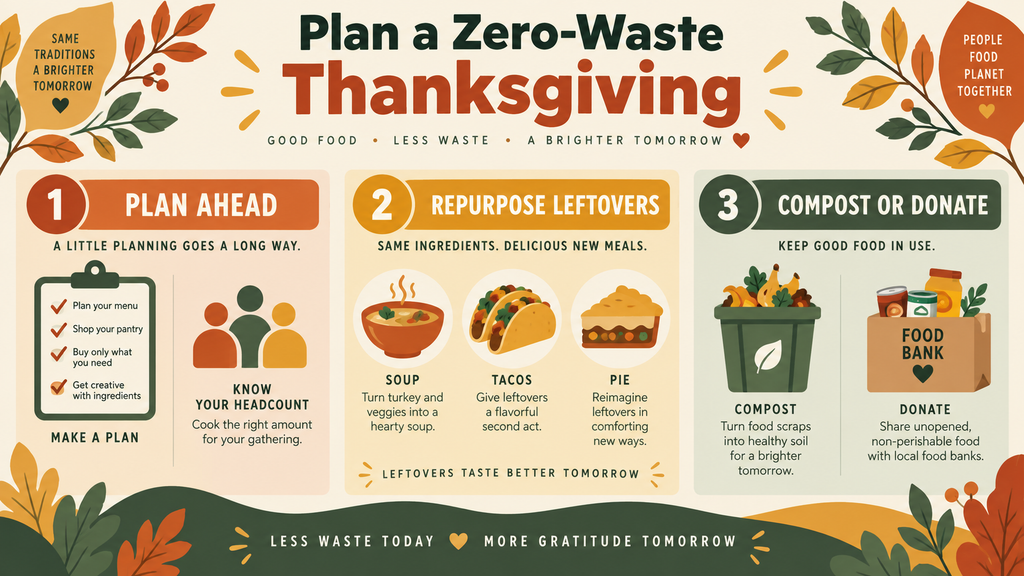
While finding creative uses for leftovers is important, the most effective way to reduce food waste is to prevent it from occurring in the first place. This requires thoughtful planning and a realistic assessment of your Thanksgiving needs.
By taking the time to plan your meal carefully, you can ensure that you prepare enough food to enjoy the holiday abundance without creating unnecessary waste. It’s about finding the right balance between having plenty to enjoy and not overbuying or overcooking. With some forethought and strategy, you can create a bountiful Thanksgiving spread that doesn’t leave you overwhelmed with excess food.
Accurate Meal Planning
- Plan for leftovers by having storage containers and recipe ideas ready.
- Take a headcount and plan portions accordingly.
- Consider past years’ experiences to gauge how much food is actually needed.
The Impact of Reducing Thanksgiving Food Waste
By implementing these strategies, you’re not just saving money – you’re making a significant environmental impact. Reducing food waste means less methane produced in landfills, conservation of resources used in food production, and a smaller carbon footprint overall.
This Thanksgiving, let’s give thanks not just for our abundance, but for our ability to use that abundance wisely and sustainably. By getting creative with leftovers, composting scraps, and planning more accurately, we can enjoy the holiday to its fullest while also being kind to our planet.
More from DayaTree: