The 10 Most Cost-Effective Vegetables to Grow in a UK Garden
As an Amazon Associate I earn from qualifying purchases and sometimes recommend products from other sellers at no extra cost you. For more details see my disclosure policy and privacy policy.
Let me be honest with you from the start: not everything in my veg patch saves me money. My onions cost me roughly what supermarket onions cost, once I account for sets and compost, and I grow them anyway because I like them. But some crops genuinely pay for themselves many times over — and if you’re growing on a budget, those are the ones to start with.
I’ve been growing vegetables in a fairly ordinary UK garden for years now, and I’ve got into the habit of loosely tracking what each crop gives back against what it costs to grow. The results surprised me. The gap between the best-value and worst-value crops is enormous. A £2.50 packet of salad seed can replace £60 or more of bagged supermarket leaves over a season. A £3 packet of maincrop carrot seed, on the other hand, might save you… about £3.
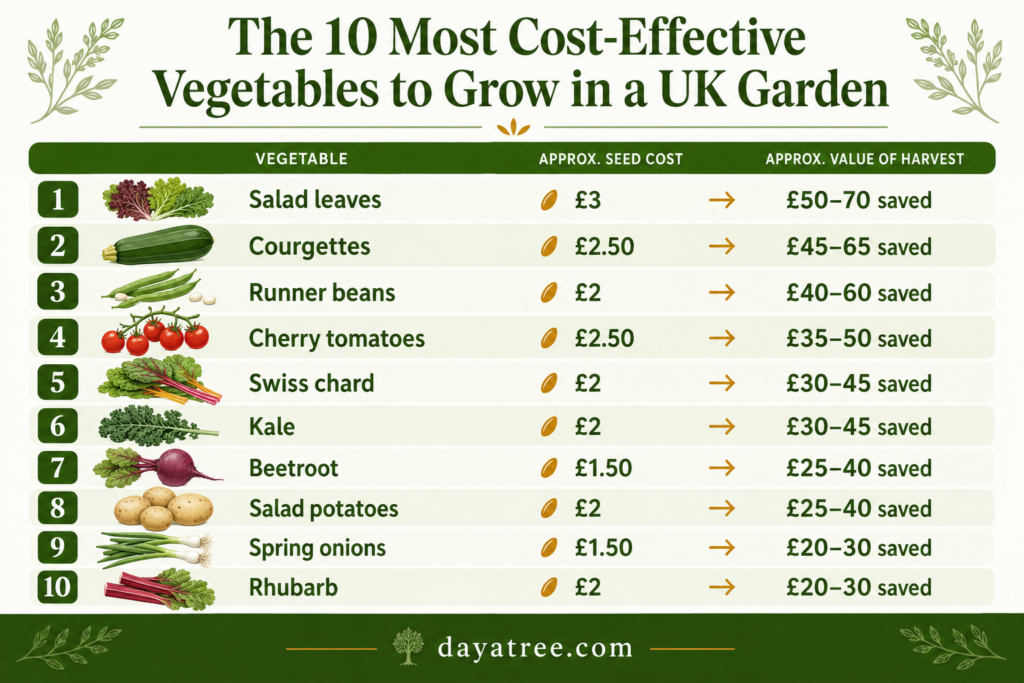
So here are the ten vegetables that consistently give the best return in a UK garden, ranked roughly by value for money. All of them are realistic for beginners, most will grow in containers, and every one earns its space.
If you’re brand new to growing, start with the full guide: Grow Your Own Food on a Budget: A UK Beginner’s Guide
Free download
Get the Non‑Toxic Home Audit Checklist
A room‑by‑room checklist to help you spot what’s worth swapping in your home — and what’s not worth worrying about. Join the fortnightly newsletter and it’s yours.
No spam, unsubscribe any time.
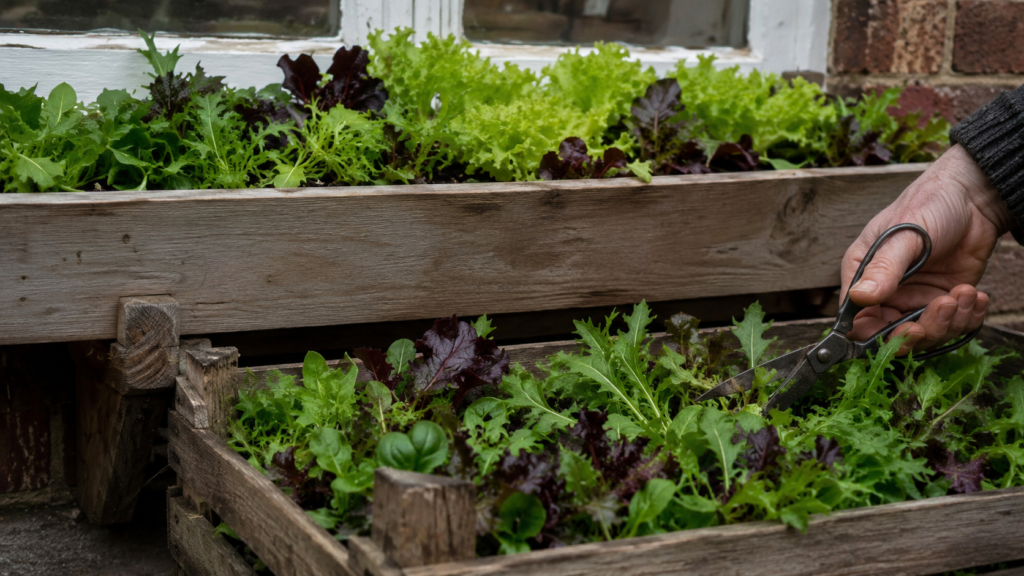
1. Cut-and-come-again salad leaves
If you only grow one thing this year, grow salad. Bagged salad is one of the most expensive things in the supermarket per kilo — often £1.20–£1.60 for a bag that wilts in two days — and it’s one of the easiest things to grow at home.
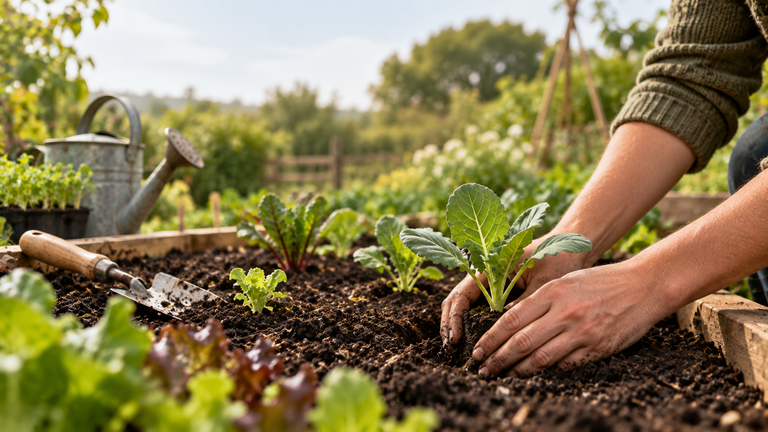
The trick is cut-and-come-again varieties: loose-leaf lettuce mixes, rocket, mizuna, mustard leaves. You snip what you need, the plant regrows, and one sowing gives you four to six harvests. I sow a short row every three weeks from March to September, in a window box and a couple of old crates, and we barely buy salad between April and October.
Cost vs return: roughly £3 of seed replaces £50–70 of bagged salad per season. Sow: March–September, direct or in containers. In short: salad leaves are the single best-value crop you can grow in the UK.
2. Courgettes
One healthy courgette plant will produce more courgettes than a small household can politely eat — typically 15 to 25 fruits over the summer. At 60–80p per supermarket courgette, that’s £10–£20 of veg from a single plant that cost you the price of one seed.
Two plants is plenty. Three is a cry for help. I grow two, and by August I’m giving them away and making soup for the freezer (my [preserving the harvest guide] covers what to do with a glut).
Cost vs return: one £2.50 seed packet (you’ll only use 2–3 seeds a year, so it lasts) yields £20–£40 of courgettes. Sow: indoors April, plant out after the last frost in late May. In short: courgettes give the biggest harvest per plant of anything on this list.
3. Runner beans and climbing French beans
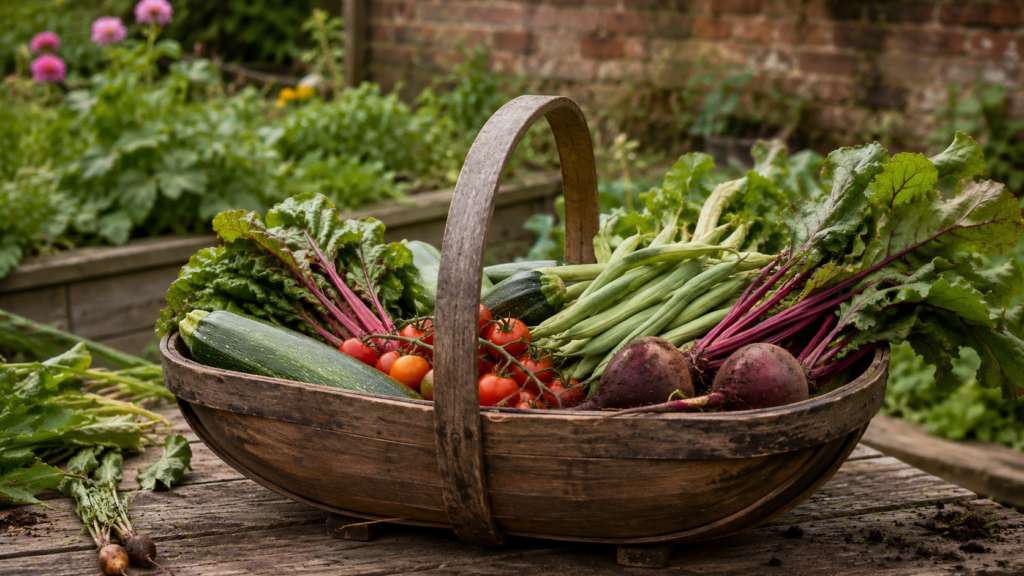
Beans crop heavily, freeze beautifully, and grow vertically — which makes them one of the best crops for small gardens. A single wigwam of six to eight runner bean plants will keep you picking from July into September, and fresh beans are not cheap to buy.
They’re also generous in another way: if you let a few pods mature at the end of the season, you can save your own seed and never buy bean seed again. (More on that in [how to save your own seeds].)
Cost vs return: £2.50 of seed produces £25–£40 of beans, and free seed for next year. Sow: indoors in April or direct in May. In short: beans give heavy harvests in a tiny footprint, and the seed is free after year one.
4. Cherry tomatoes
I’ll say this carefully: tomatoes are only good value if you grow the right kind. Big beefsteak varieties in a cold UK summer can be heartbreak. But cherry tomatoes — Gardener’s Delight, Sungold, Tumbling Tom in hanging baskets — ripen reliably outdoors in most of the UK and produce for months.
Supermarket cherry tomatoes run £2.50–£3.50 a punnet, and a good plant produces the equivalent of 10–15 punnets. I grow four plants against a south-facing fence and we don’t buy tomatoes from July to October. My full [growing tomatoes in the UK guide] covers varieties and blight-dodging in detail.
Cost vs return: £3 of seed (or £6 of plug plants) yields £30–£60 of fruit. Sow: indoors February–April on a warm windowsill. In short: cherry varieties, not beefsteaks, are the money-savers in a UK climate.
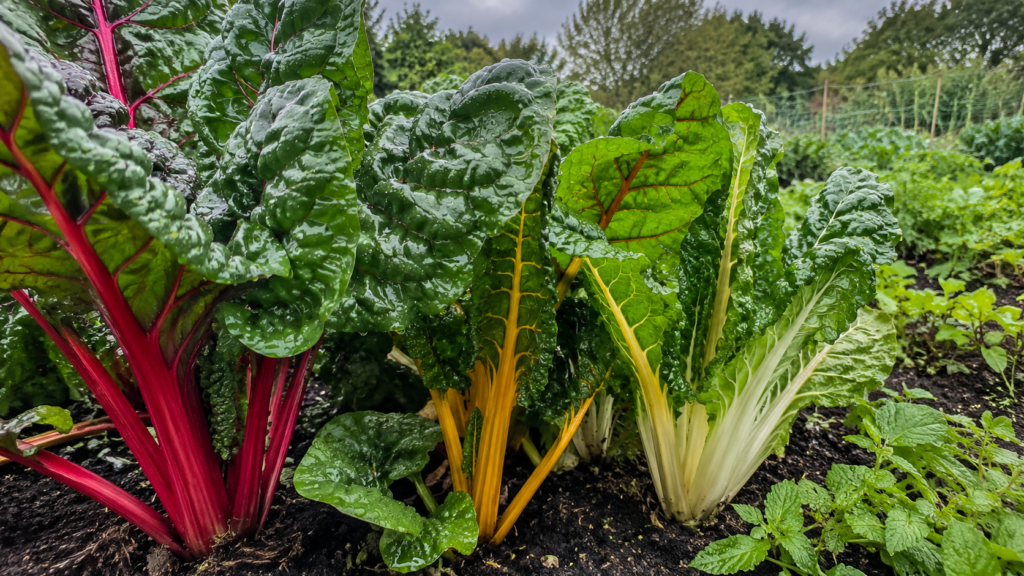
5. Swiss chard
Chard is the crop I recommend to everyone and almost nobody grows. It’s essentially unkillable, it crops from summer right through winter into the following spring, and it does the job of both spinach (the leaves) and a stir-fry green (the stems). Supermarkets barely sell it, and when they do it’s priced like a delicacy.
One spring sowing gives you a year of greens. That’s not an exaggeration — my chard sown last April was still feeding us in March.
Cost vs return: £2.50 of seed provides greens for 10–12 months. Sow: April–July, direct. In short: chard is the longest-cropping, lowest-effort green you can grow in the UK.
6. Kale (especially cavolo nero)
Kale earns its place for one reason: it feeds you in the hungry gap. From November to March, when the rest of the veg patch is asleep, kale stands there in the frost, quietly producing. Cavolo nero in particular is expensive to buy — often £1.80–£2 for a small bag — and thrives in British weather because it’s fundamentally a British sort of plant: unbothered by rain and mildly improved by suffering.
Cost vs return: £2.50 of seed replaces £20–£30 of winter greens. Sow: April–June, transplant in summer, harvest autumn to spring. In short: kale is the best-value vegetable for the months when nothing else is growing.
7. Beetroot
Beetroot is the ideal beginner root crop: it germinates reliably, tolerates most soils, doesn’t need thinning to perfection, and gives you two crops in one — the roots, plus the young leaves, which are excellent in salads. Vacuum-packed cooked beetroot is surprisingly expensive for what it is, and home-grown beetroot roasted from fresh is a different vegetable entirely.
It also pickles beautifully, which stretches the harvest well into winter.
Cost vs return: £2 of seed produces £15–£25 of beetroot plus free salad leaves. Sow: April–July, direct, in rows or containers. In short: beetroot is two crops in one packet and almost impossible to get wrong.
8. Salad potatoes in containers
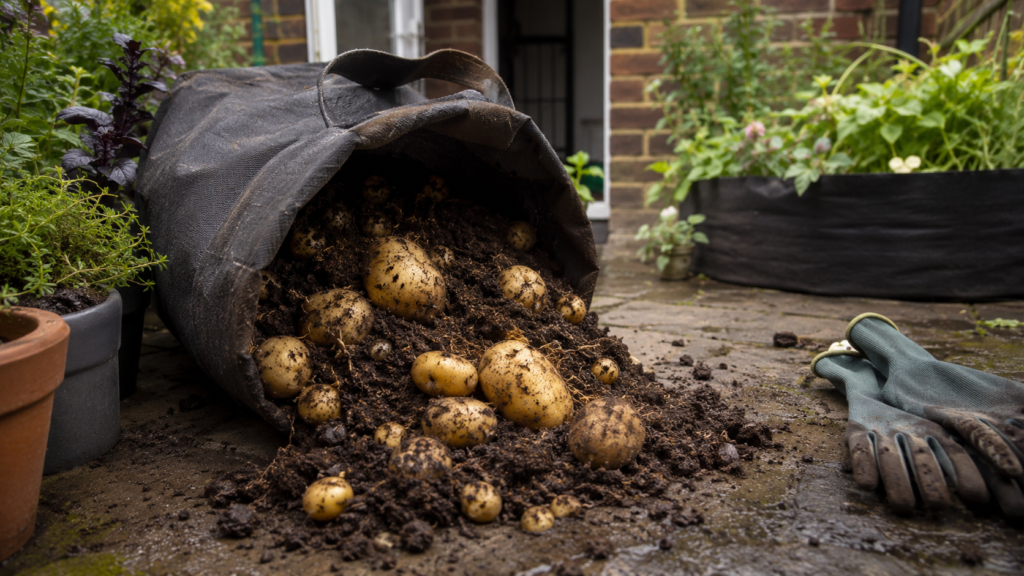
Maincrop potatoes are cheap to buy, so growing them saves little. Salad and new potatoes are a different story — Charlotte, Anya, and Jersey-style earlies sell at a premium, and they’re the easiest crops to grow in bags or buckets on a patio.
The real luxury is unmeasurable: potatoes dug an hour before dinner taste like a different food. But even on pure numbers, earlies in containers pay their way.
Cost vs return: £4–£5 of seed potatoes yields £15–£25 of salad potatoes. Plant: March–April, harvest June–July. In short: skip maincrop, grow earlies in containers, and eat them the day you dig them.
9. Spring onions and perennial alternatives
Spring onions are quick, take up almost no space, and can be tucked into gaps between other crops. A packet of seed sown little and often keeps you supplied from May to October for pennies a bunch.
Better still, plant Welsh onions or everlasting onions once and you’ll have a spring-onion substitute that comes back every year without resowing — the budget grower’s secret weapon.
Cost vs return: £2 of seed replaces £10–£15 of supermarket bunches; perennial types cost once and crop forever. Sow: March–July, direct, little and often. In short: spring onions fill the gaps in your beds and your salads for almost nothing.
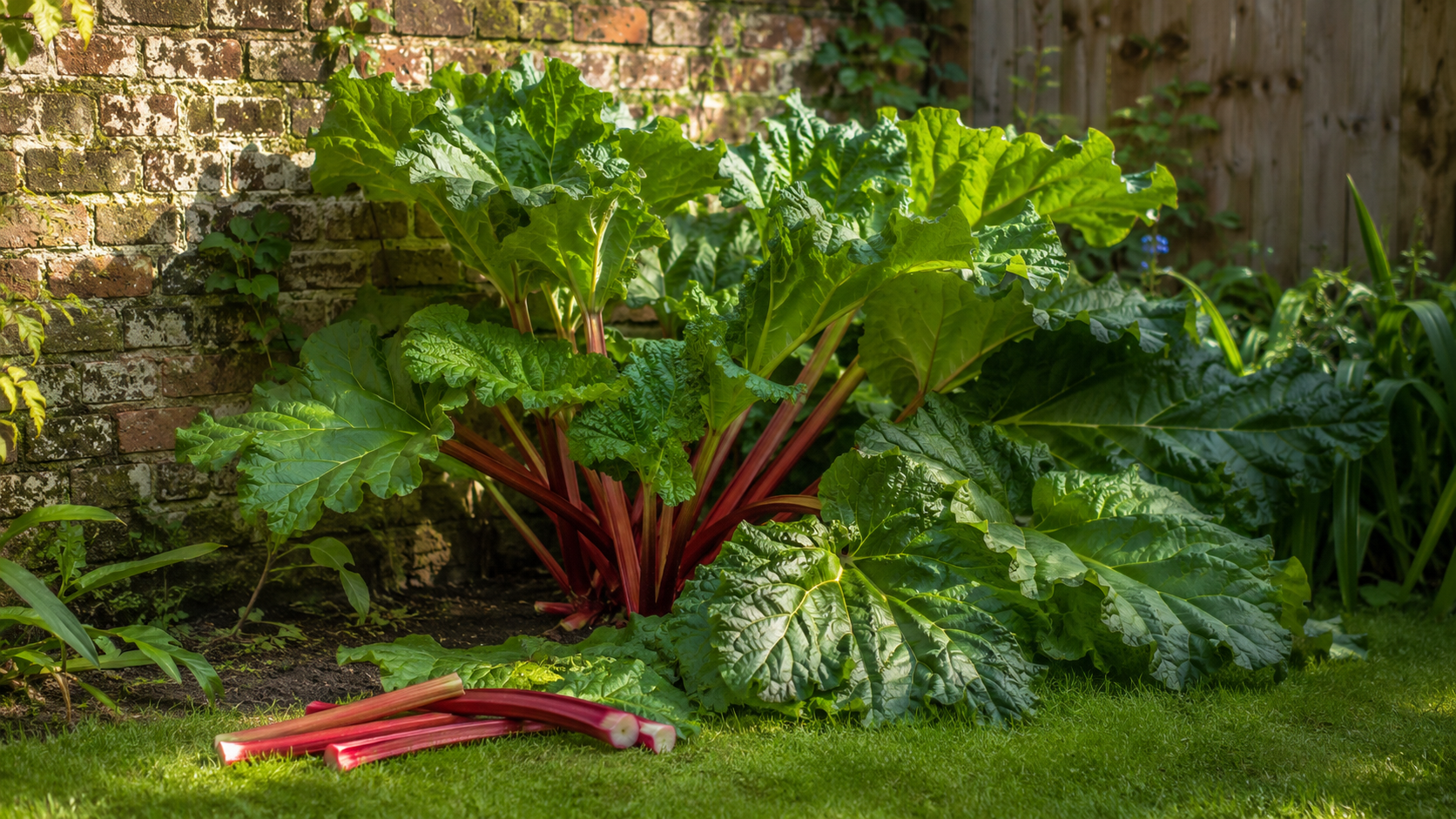
10. Rhubarb
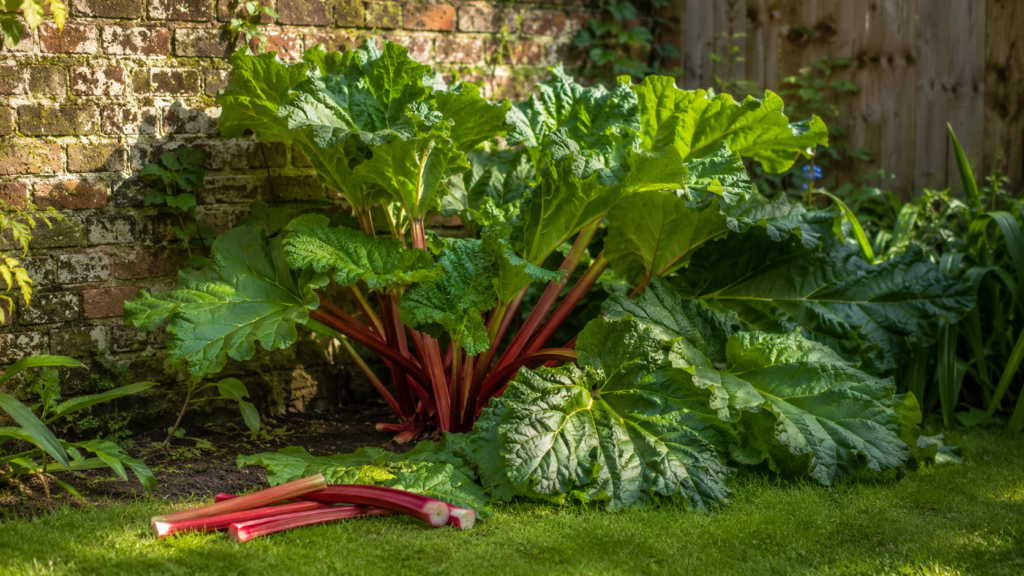
I’m allowing myself one technicality: rhubarb is botanically a vegetable, and it’s the best long-term investment in this list. One crown costs £8–£12, needs virtually no care, and produces for a decade or more. Forced or early rhubarb in the shops is genuinely expensive — often £5–£8 per kilo — and a mature crown gives you kilos of it every spring.
Plant it once, in a corner you don’t need for anything else, and it will outlast most of your other gardening opinions.
Cost vs return: a £10 crown produces £20–£40 of stems per year, for 10+ years. Plant: dormant crowns, November–March. In short: rhubarb costs once and pays you back every spring for a decade.
What didn’t make the list (and why)
A quick word on the crops that look tempting but rarely pay: maincrop carrots and onions (too cheap in the shops), sweetcorn (two cobs per plant, big footprint), parsnips (slow, fiddly germination), and anything sold as “exciting” on the seed packet (usually code for “will sulk in a British summer”). Grow them if you love them — I do grow onions — but don’t grow them expecting savings.
Getting started this weekend
If it’s spring, you can sow salad leaves, beetroot, and chard this weekend, direct into any patch of soil or a deep container. Total outlay: under £10, and most seed packets last two or three seasons if you keep them cool and dry.
The RHS growing guides are excellent for variety-by-variety detail, and if you want the full picture on planning a productive patch for as little money as possible, start with the pillar guide: Grow Your Own Food on a Budget: A UK Beginner’s Guide.
Progress over perfection — one packet of salad seed is a perfectly good place to begin.