Decorating Your Thanksgiving Table with Nature’s Bounty: An Eco-Friendly Approach
As an Amazon Associate I earn from qualifying purchases and sometimes recommend products from other sellers at no extra cost you. For more details see my disclosure policy and privacy policy.
As the leaves turn golden and the air grows crisp, our thoughts turn to Thanksgiving—a time of gratitude, family, and of course, a beautifully set Thanksgiving table. This year, why not embrace the season’s spirit by decorating your Thanksgiving table with nature’s bounty? Not only will this create a stunning, organic aesthetic, but it’s also a wonderful way to celebrate sustainably. Let’s explore how to create an eco-friendly Thanksgiving table that’s as kind to the Earth as it pleases the eye.
Foraging: Nature’s Treasure Hunt
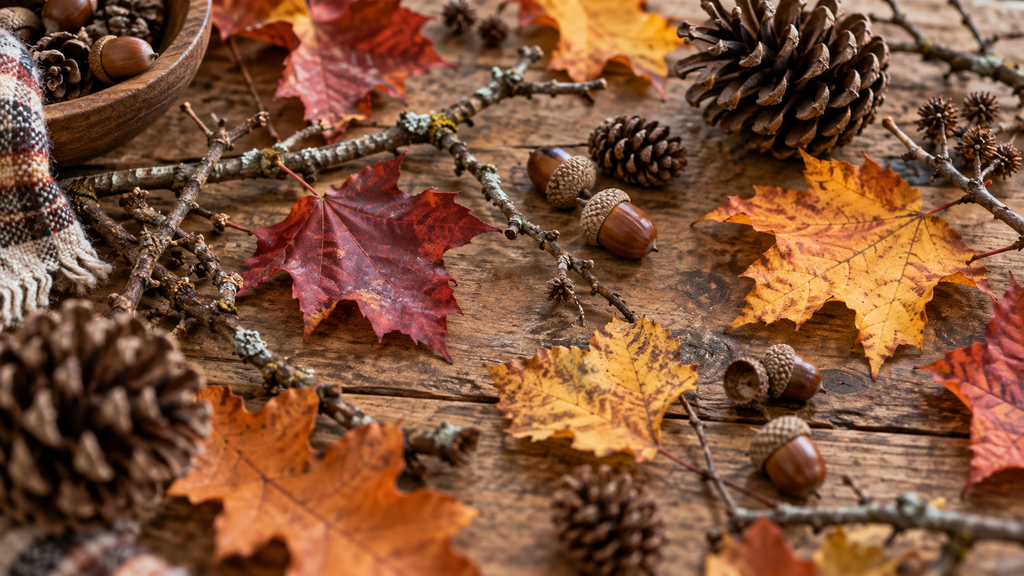
Before you begin decorating, take a walk in your local park, woods, or even your own backyard. Nature provides an abundance of decorative elements this time of year. Look for colorful fallen leaves, interesting twigs and branches, acorns, and pinecones. Remember to forage responsibly—never take more than you need, and avoid disturbing living plants or protected areas. This mindful gathering process can become a delightful pre-Thanksgiving tradition for the whole family.
Crafting the Perfect Centerpiece
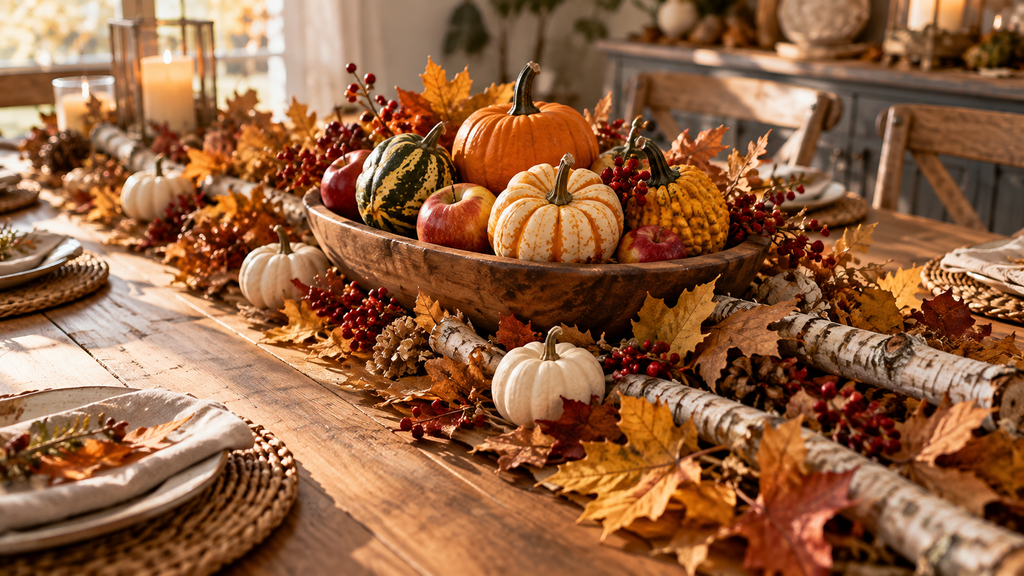
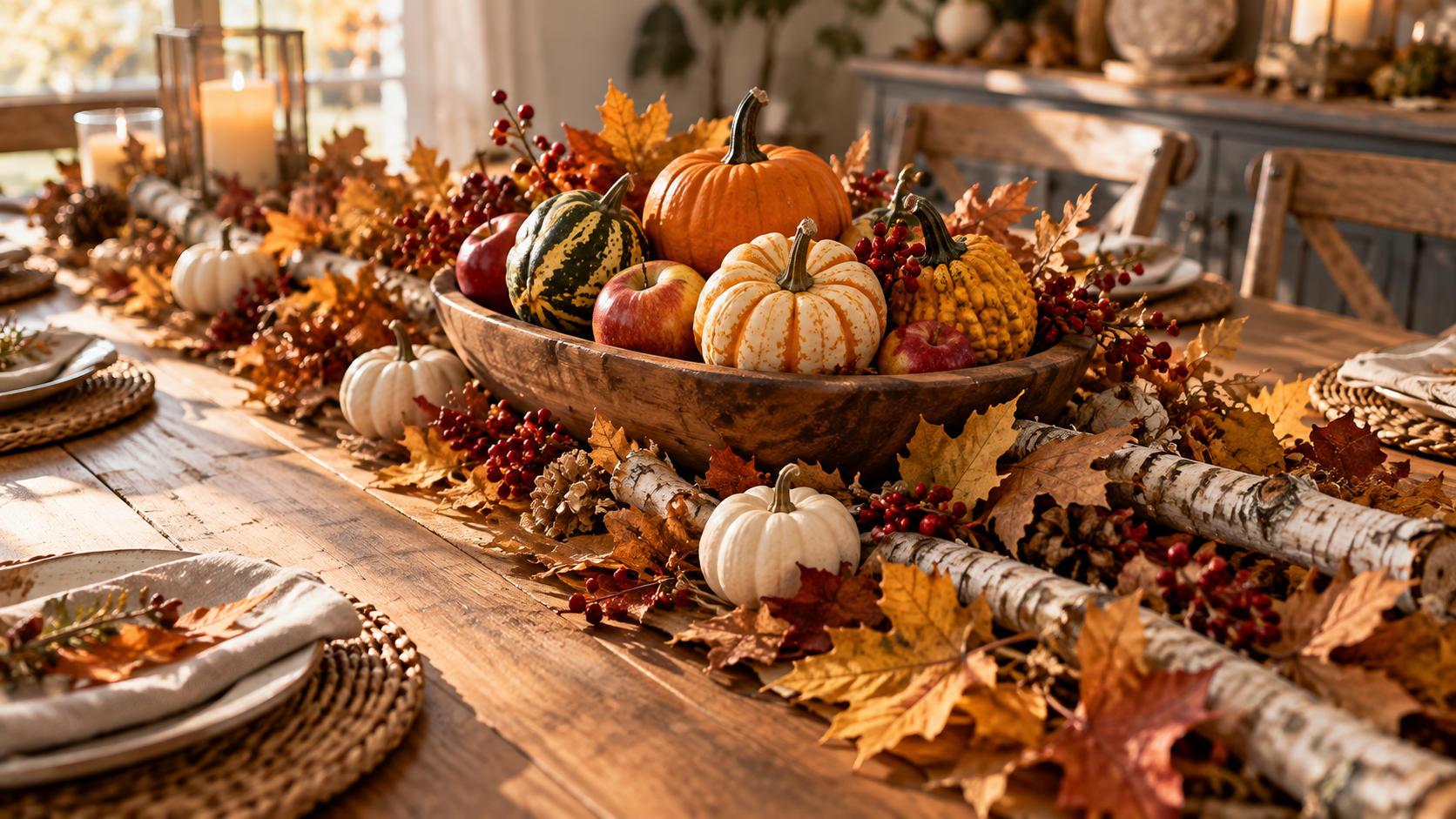
The centerpiece is the crown jewel of your Thanksgiving table. Create a stunning focal point using a mix of foraged items and seasonal produce. Try arranging mini pumpkins, gourds, and apples in a rustic wooden bowl, interspersed with golden leaves and pinecones. For a more dramatic look, create a runner down the center of your table using larger branches adorned with colorful leaves, berries, and small white pumpkins.
Setting the Table, Naturally
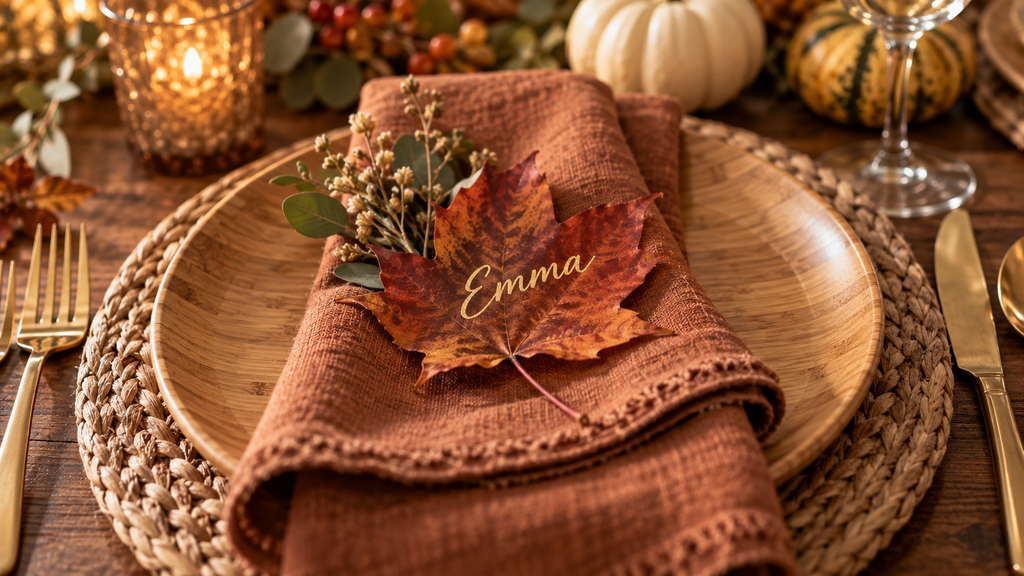
When it comes to your place settings, think natural and reusable. Opt for cloth napkins in warm, earthy tones—linen or organic cotton are excellent choices. If you’re in the market for new dinnerware, consider bamboo or other sustainable materials. For a personal touch, create place cards using leaves: write each guest’s name on a sturdy leaf with a gold paint pen for a touch of elegance.
Free download
Get the Non‑Toxic Home Audit Checklist
A room‑by‑room checklist to help you spot what’s worth swapping in your home — and what’s not worth worrying about. Join the fortnightly newsletter and it’s yours.
No spam, unsubscribe any time.
Illuminating with Eco-Friendly Flair
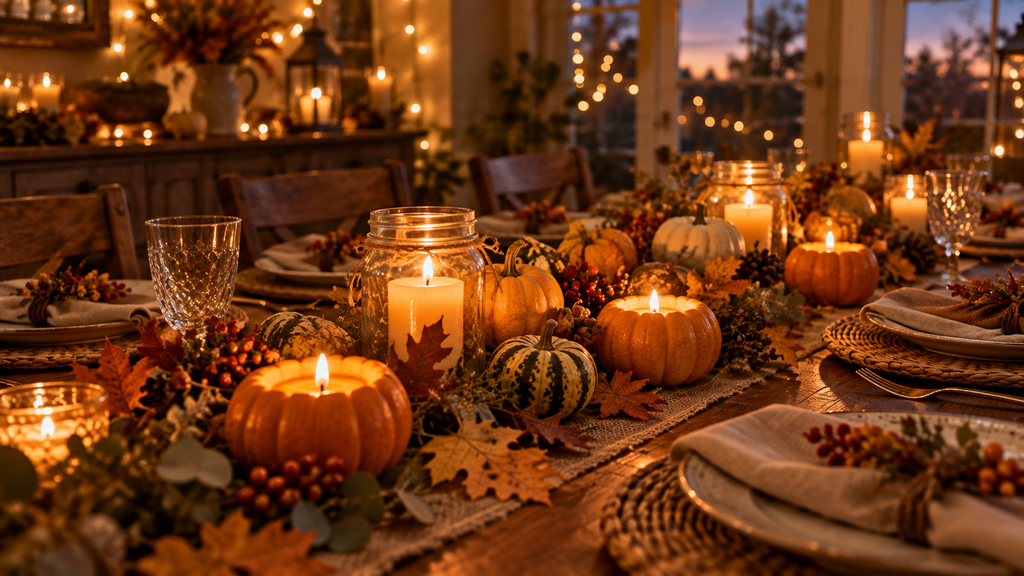
Lighting sets the mood for your Thanksgiving feast. Opt for beeswax or soy candles, which are renewable and non-toxic. Place them in mason jars or hollowed-out mini pumpkins for a charming, rustic look. If you need additional lighting, consider LED string lights, which use less energy than traditional bulbs.
Adding the Finishing Touches
Small details can make a big impact. Try tying small bundles of fresh herbs with twine and placing them on each plate—they’ll add a lovely aroma and can be used in cooking later. Scatter some dried flower petals or eco-friendly confetti made from fallen leaves across the table for a festive touch. A small bowl of seasonal potpourri (think cinnamon sticks, star anise, and dried orange slices) can add a wonderful scent to your dining area.
After the Feast: Giving Back to Nature
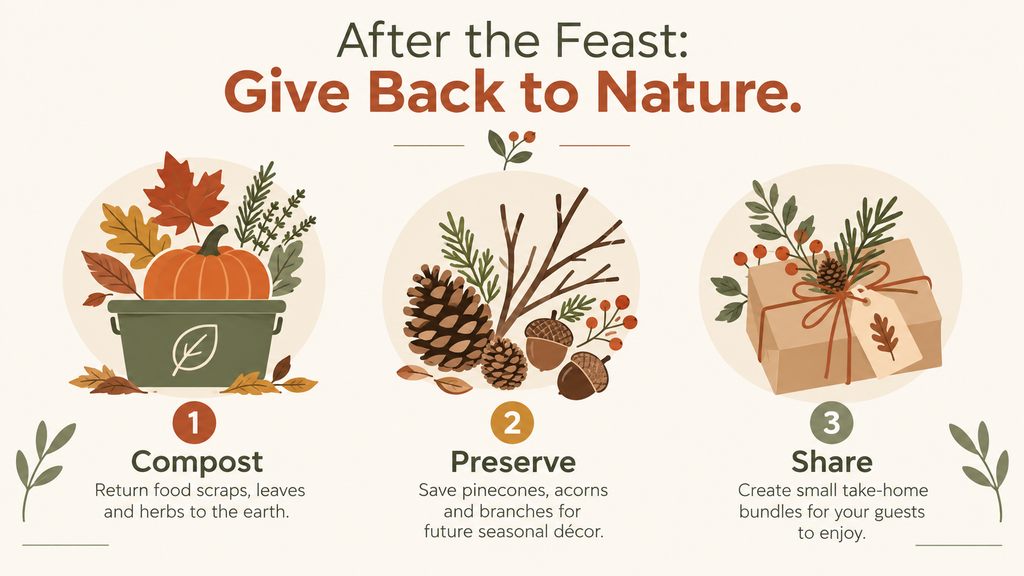
Once the celebration is over, many of your decorations can return to nature. Compost suitable items like leaves, pumpkins, and herb bundles. Preserve pinecones, acorns, and sturdy branches for future decorations. Consider allowing guests to take home small arrangements as a memento of the day.
Embracing Sustainable Beauty
Decorating your Thanksgiving table with nature’s bounty is more than just a design choice—it’s a celebration of the season and a step towards more sustainable living. By using what nature provides and opting for reusable or compostable items, you’re creating a beautiful setting that reflects the spirit of gratitude at the heart of Thanksgiving. So this year, let your table be a testament to the beauty of nature and the joy of eco-friendly celebrating.
More from DayaTree: