Coffee Grounds in the Garden: A Free, Easy Way to Feed UK Soil
As an Amazon Associate I earn from qualifying purchases and sometimes recommend products from other sellers at no extra cost you. For more details see my disclosure policy and privacy policy.
Gardening is one of the most rewarding ways to connect with nature — but between compost, feed, and soil improvers, it can quietly get expensive. If you’re a coffee drinker, there’s a fix sitting in your kitchen caddy every morning: used coffee grounds.
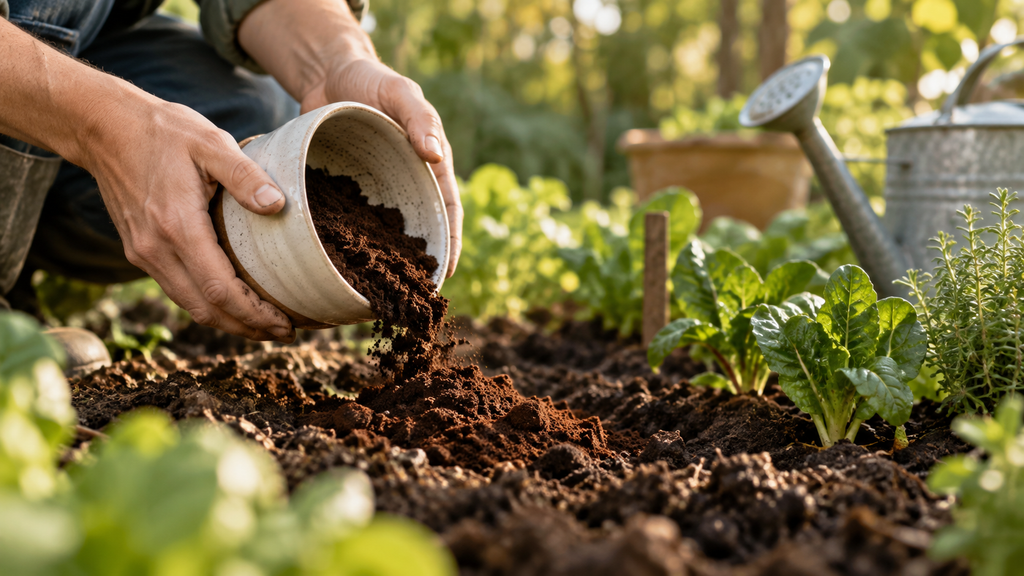
I started saving mine from a single cafetière a day about a year ago, and it’s turned into one of the cheapest, lowest-effort changes I’ve made in the garden. Here’s what coffee grounds actually do for UK soil, how to use them properly, and where people go wrong.
Why coffee grounds are worth keeping
Coffee grounds aren’t just waste — they’re a genuinely useful source of nitrogen, potassium and phosphorus, the three nutrients most garden feeds are built around. Used correctly, they help feed soil biology, improve structure, and support stronger plant growth, all for the cost of a compost caddy you were probably already using.
In short: coffee grounds won’t replace a full feeding programme, but they’re a solid, free supplement — especially for nitrogen-hungry crops like leafy greens and brassicas.
Free download
Get the Non‑Toxic Home Audit Checklist
A room‑by‑room checklist to help you spot what’s worth swapping in your home — and what’s not worth worrying about. Join the fortnightly newsletter and it’s yours.
No spam, unsubscribe any time.
How to use coffee grounds in your garden
There are three reliable ways to use them:
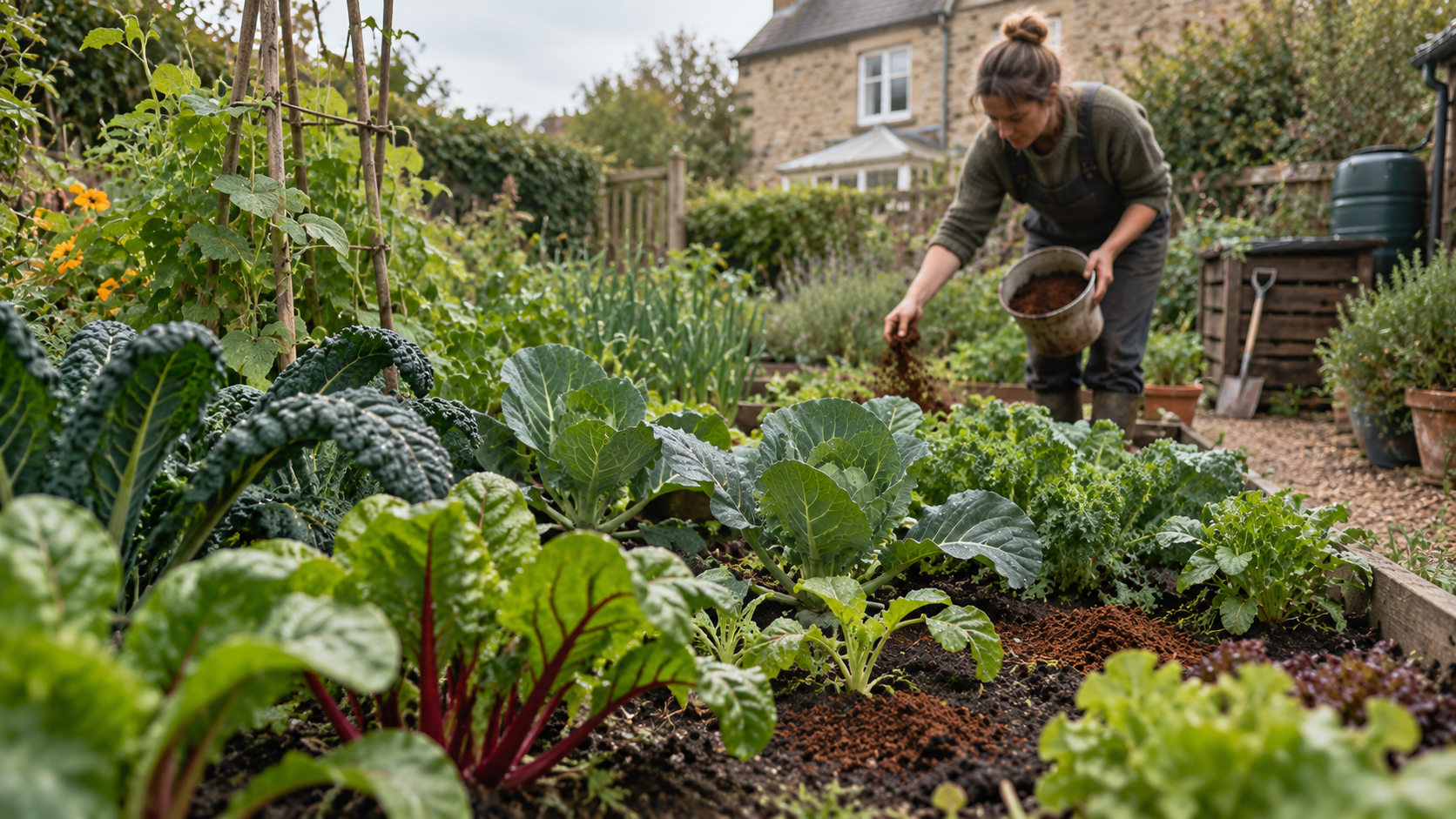
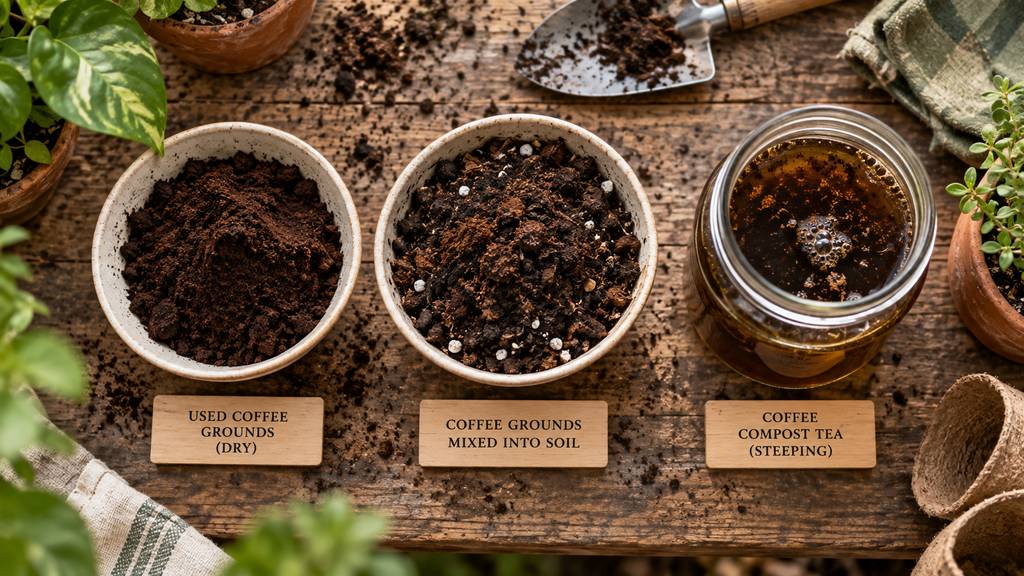
- Dig them into the soil — mixing grounds into beds improves fertility and helps drainage over time.
- Use as a thin surface mulch — spread lightly, they help insulate soil and suppress weeds. Keep the layer thin; a thick crust of grounds can actually repel water rather than let it through.
- Make a coffee “compost tea” — steep grounds in water for a day or two and use the liquid as a mild feed for potted plants.
A word of caution: don’t overdo it. Piling on fresh grounds in large quantities can tip soil pH more acidic than most vegetables and ornamentals want. Used in moderation — a light scattering every week or two, or mixed through the compost heap rather than applied neat — they’re safe for the vast majority of UK garden soils, which tend to be neutral to alkaline anyway.
You might also like How To Make Your Own Compost — coffee grounds are one of the best “greens” you can add to a compost heap, and this covers the balance of greens and browns you need to get it right.
The benefits, in practice
- Better soil structure. Coffee grounds help loosen compacted soil, improving root growth and water absorption — particularly useful on the heavy clay soils common across much of the UK.
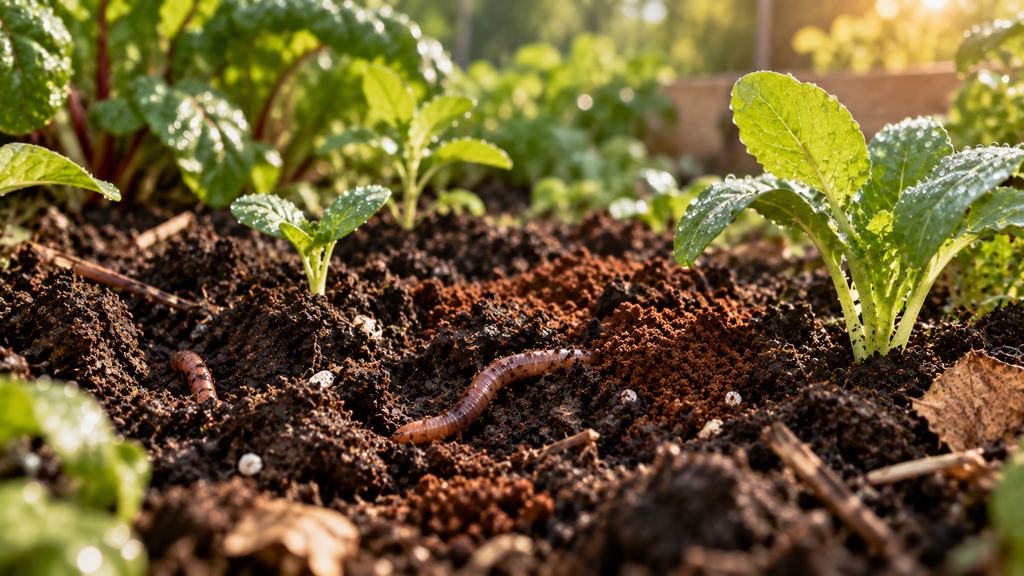
- They feed the soil food web. Grounds break down and feed the microorganisms and earthworms that do the real work of building healthy soil — composting for beginners goes into this in more depth.
- A mild, natural pest deterrent. Slugs and snails reportedly dislike the smell and texture, so a light scattering around vulnerable seedlings can offer some extra protection — though it’s not a substitute for proper non-toxic pest control where slug pressure is high.
- It’s free. You’re diverting something that would otherwise go in general waste and turning it into a resource — a small but genuine part of growing food on a budget.
Don’t toss those grounds
If you drink coffee, you already have a free soil improver on hand — no fertiliser aisle required. Used with a light hand, coffee grounds are a genuinely useful part of a low-cost, low-waste approach to gardening, and they’re a natural companion to a wider wildlife-friendly garden, where healthy soil underpins everything else.
It’s a small habit change, but it adds up: less waste to landfill, healthier soil, and one less thing to buy. Next time you’re about to bin the cafetière plunger, tip it onto the beds instead.