Understanding Plastic Recycling: From Bin to New Beginning
As an Amazon Associate I earn from qualifying purchases and sometimes recommend products from other sellers at no extra cost you. For more details see my disclosure policy and privacy policy.
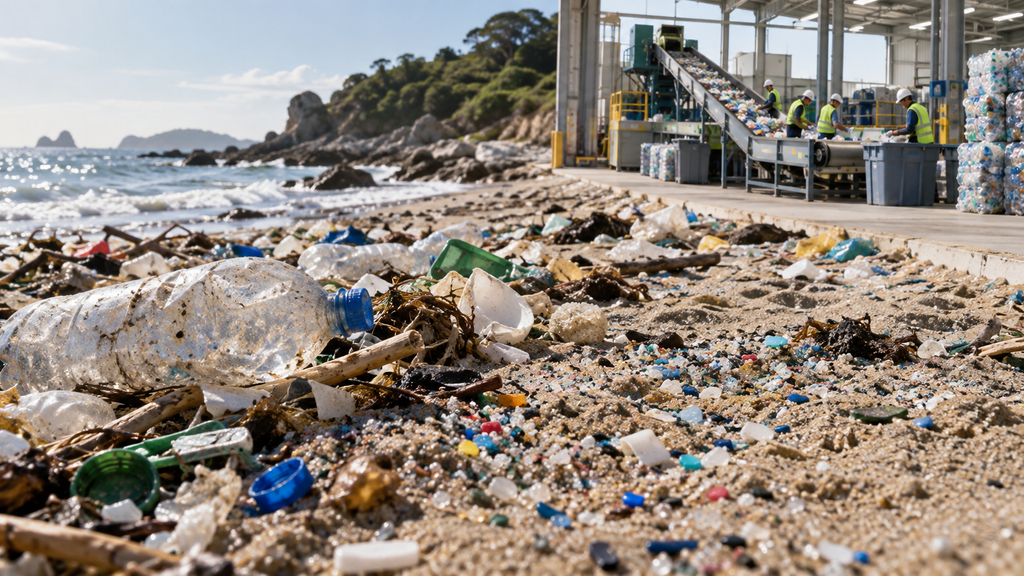
Every year, the world produces over 380 million tons of plastic, and sadly, only about 9% gets recycled. The rest ends up in landfills, incinerators, or worse – our oceans and natural environments. Plastic can take hundreds of years to break down, and even then, it only degrades into smaller pieces called microplastics that continue to harm wildlife and ecosystems. Understanding Plastic Recycling offers a path to reduce this environmental burden by giving plastic materials a second life and keeping them out of our natural world.
Not All Plastic Is Created Equal: Understanding Resin Codes
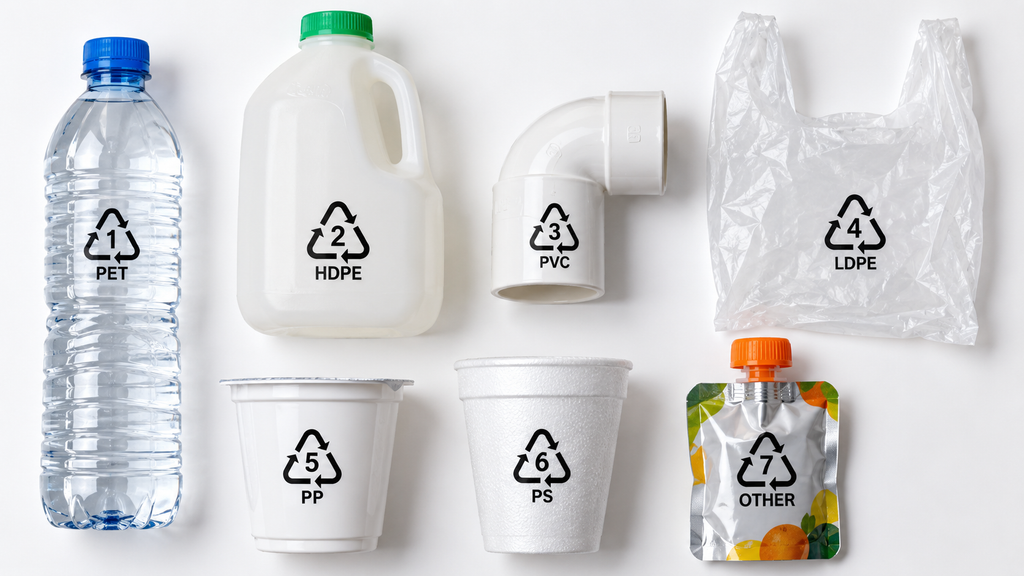
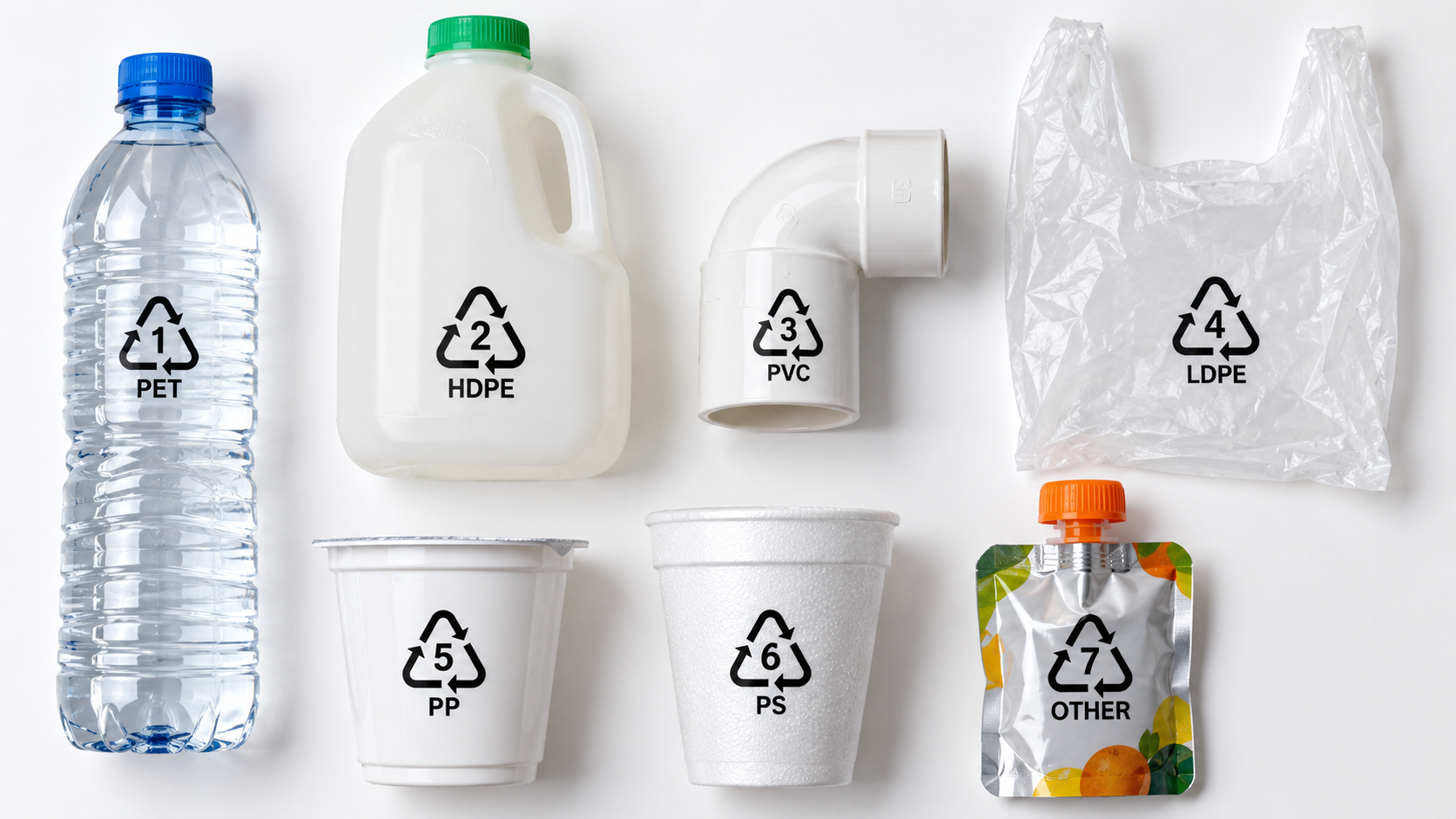
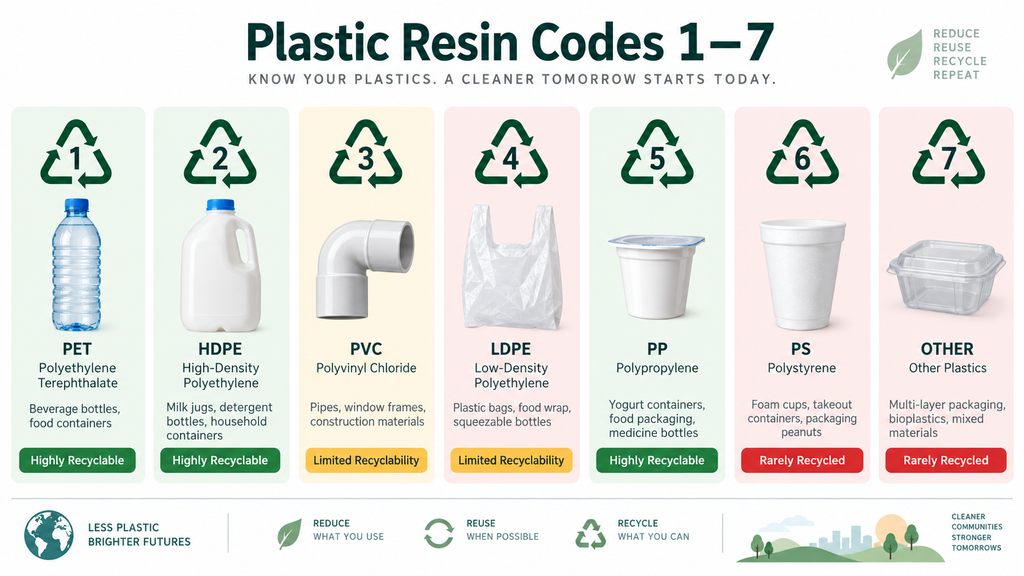
Have you ever noticed those small triangular symbols with numbers inside on your plastic items? These are resin identification codes, ranging from 1 to 7, and they tell us what type of plastic we’re dealing with. Each type has different chemical properties, uses, and recycling potential:
1 – PET (Polyethylene Terephthalate): Think water bottles and food containers. Highly recyclable.
2 – HDPE (High-Density Polyethylene): Used for milk jugs, detergent bottles, and toys. Also very recyclable.
Free download
Get the Non‑Toxic Home Audit Checklist
A room‑by‑room checklist to help you spot what’s worth swapping in your home — and what’s not worth worrying about. Join the fortnightly newsletter and it’s yours.
No spam, unsubscribe any time.
3 – PVC (Polyvinyl Chloride): Found in pipes, window frames, and some food wraps. Difficult to recycle.
4 – LDPE (Low-Density Polyethylene): Plastic bags, six-pack rings, and squeeze bottles. Recycling options are improving but still limited.
5 – PP (Polypropylene): Yogurt containers, medicine bottles, and bottle caps. Increasingly recyclable.
6 – PS (Polystyrene): Styrofoam cups, packaging peanuts, and disposable cutlery. Rarely recycled.
7 – Other: This catch-all category includes polycarbonate, bioplastics, and mixed materials. Generally difficult to recycle.
Understanding these codes can help you make better recycling decisions, as types 1 and 2 are almost universally accepted, while others might require special programs.
The Journey Begins: Collection and Sorting
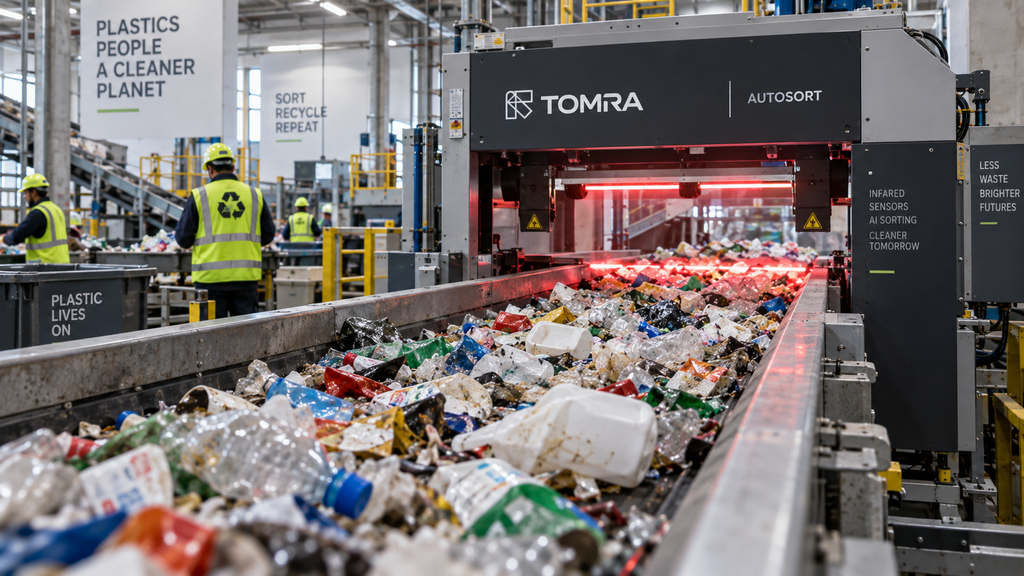
The recycling process starts with us – when we place plastic items in the correct bin. From there, trucks transport these materials to recycling facilities, where the real transformation begins.
At the facility, plastics go through a sophisticated sorting process. While some sorting happens manually, modern recycling centers use advanced technology to separate different plastic types:
- Optical sorters use infrared light to identify plastic resins by their unique spectral signatures.
- Float tanks separate plastics based on density – some float while others sink.
- Air classifiers blow away lighter plastics from heavier ones.
This sorting is crucial because different plastic types can’t be recycled together – mixing them results in low-quality recycled material with limited uses.
Cleaning and Processing: Preparing for Transformation
Once sorted, plastics need cleaning to remove labels, adhesives, food residue, and other contaminants. This typically involves:
- Washing with water and sometimes detergents
- Removing paper labels and adhesives
- Grinding the clean plastic into small flakes
- Further separating contaminants through additional float tanks
This cleaning stage is why it’s so important to rinse your recyclables before putting them in the bin – heavily contaminated plastics might be rejected and sent to landfill instead.
Breaking It Down: The Technical Process
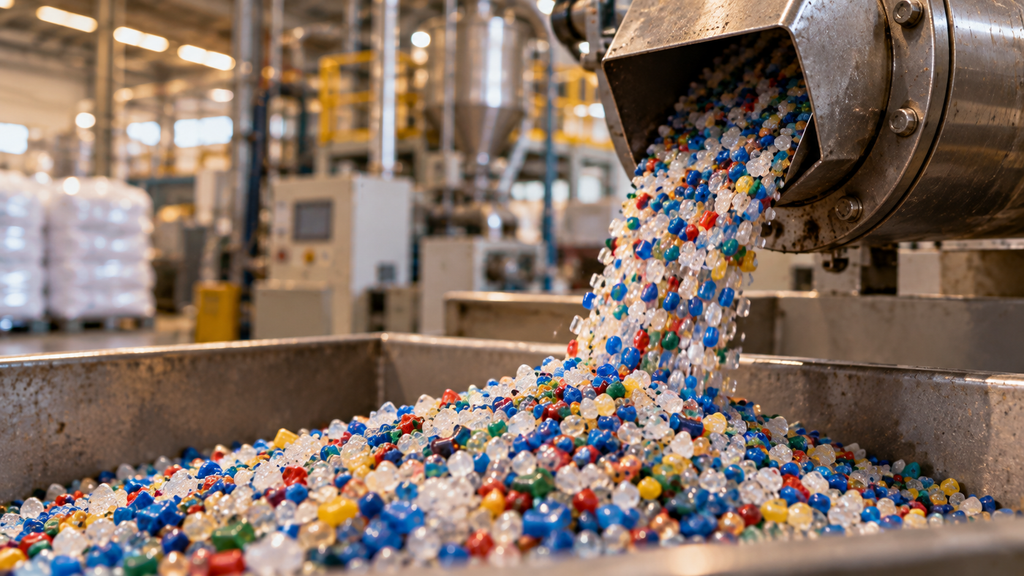
After cleaning, the plastic flakes undergo a series of transformations:
Shredding and grinding: Plastics are reduced to small, uniform pieces to make processing easier.
Melting and extrusion: The flakes are heated to their melting point and pushed through an extruder, which forms them into long strands.
Pelletizing: These strands are cooled and cut into small pellets about the size of lentils, called “nurdles.”
These pellets become the raw material for making new plastic products. They can be dyed different colors and molded into virtually any shape.
The Second Life: What Recycled Plastic Becomes
Recycled plastic finds its way into numerous new products:
- PET bottles can become polyester fabric for clothing, carpeting, or new food containers.
- HDPE milk jugs might return as detergent bottles, plastic lumber, or playground equipment.
- Plastic bags could transform into composite decking, outdoor furniture, or new bags.
Some recycled plastics maintain their original quality and can be used for the same purpose (known as “closed-loop recycling”), while others are “downcycled” into products of lower quality or different uses.
Challenges in the Recycling Pipeline
Despite its benefits, plastic recycling faces significant challenges:
Contamination: Food residue, non-recyclable items, and mixing different plastic types can spoil entire batches of recycling.
Economic factors: When oil prices are low, virgin plastic becomes cheaper than recycled plastic, reducing demand for recycled materials.
Design complexity: Multi-layer packaging, combinations of different plastics, and additives make many items difficult or impossible to recycle.
Infrastructure limitations: Many communities lack access to recycling facilities that can process all plastic types.
Beyond Recycling: The Future of Plastic
While recycling helps manage plastic waste, it’s just one part of a larger solution. Other approaches include:
Reducing plastic use: The most effective way to address plastic pollution is to use less in the first place.
Reusing items: Durable water bottles, shopping bags, and food containers can replace their disposable counterparts.
Redesigning products: Companies are developing plastics that are easier to recycle or that biodegrade safely.
Chemical recycling: New technologies break plastics down to their chemical building blocks, potentially allowing infinite recycling without quality loss.
How You Can Help: Smart Recycling Tips
You can make recycling more effective by:
- Checking your local recycling guidelines – they vary by location
- Rinsing containers before recycling them
- Removing non-recyclable components like pumps from soap bottles
- Keeping plastic bags out of regular recycling (many grocery stores collect them separately)
- Buying products made from recycled content to support the market
Every Piece Counts
Plastic recycling isn’t perfect, but it’s an important tool in our environmental toolkit. When we understand how the process works and participate thoughtfully, we help close the loop and keep more plastic out of our oceans, landscapes, and landfills. Each bottle, container, or package we properly recycle represents a small but meaningful step toward a more sustainable relationship with plastic. Remember, when it comes to tackling plastic pollution, every piece counts.