8 Eco-Friendly Family Activities We Actually Do (A UK Family’s Honest Guide)
As an Amazon Associate I earn from qualifying purchases and sometimes recommend products from other sellers at no extra cost you. For more details see my disclosure policy and privacy policy.
Screens win by default in our house unless we’ve got something better lined up. Over the past few years we’ve tried a lot of “eco-friendly family activity” ideas from various lists — most were vague, a few were genuinely brilliant, and one or two turned out to be more effort than they were worth. Here are the eight that have earned a permanent place in our rotation, with what actually happened when we tried them.
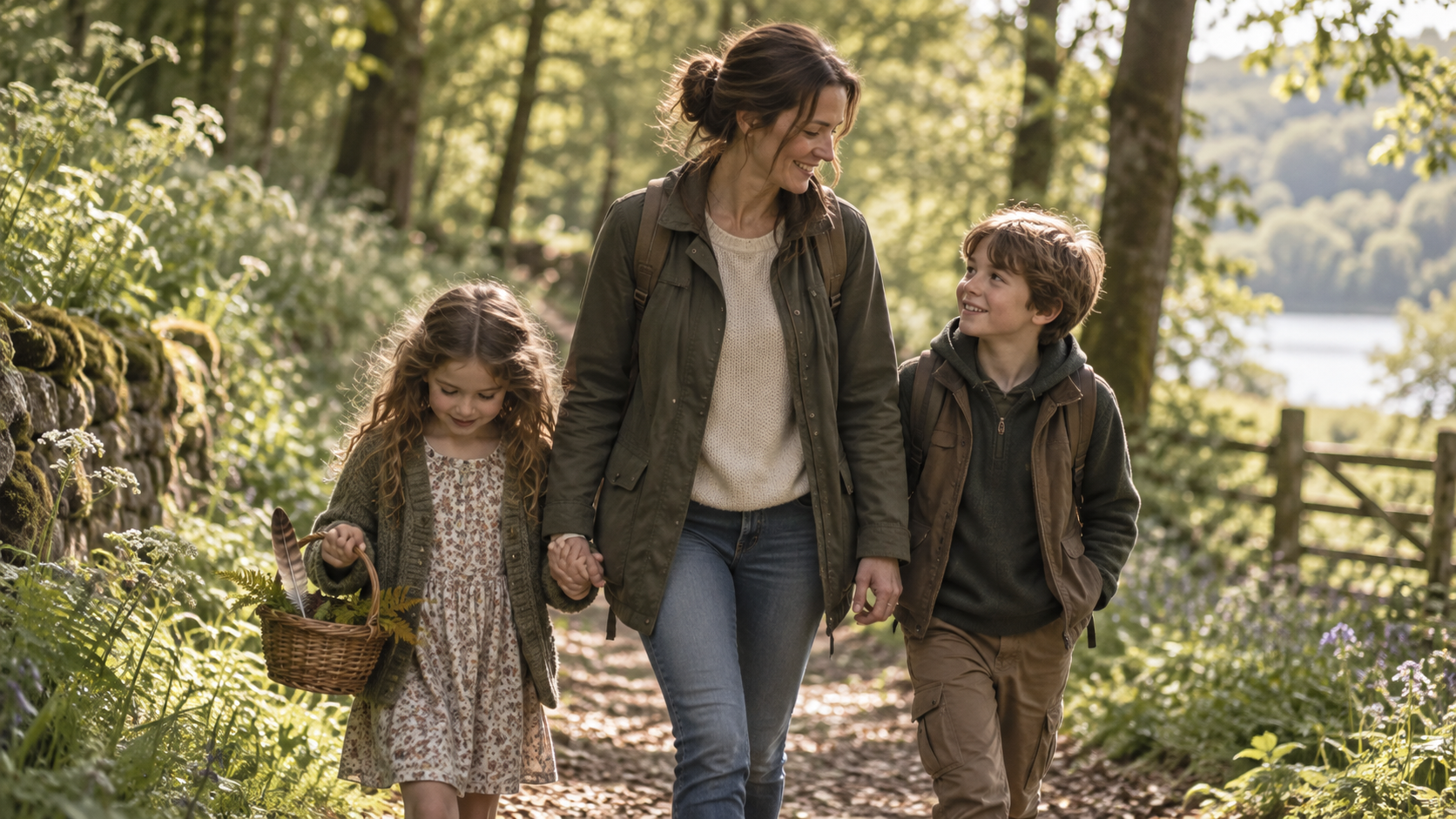
Quick summary: the best eco-friendly family activities combine time outdoors, a practical skill, and a task the kids can lead themselves — scavenger hunts, composting, and bike rides tick all three and cost nothing to start.
1. Nature Scavenger Hunts
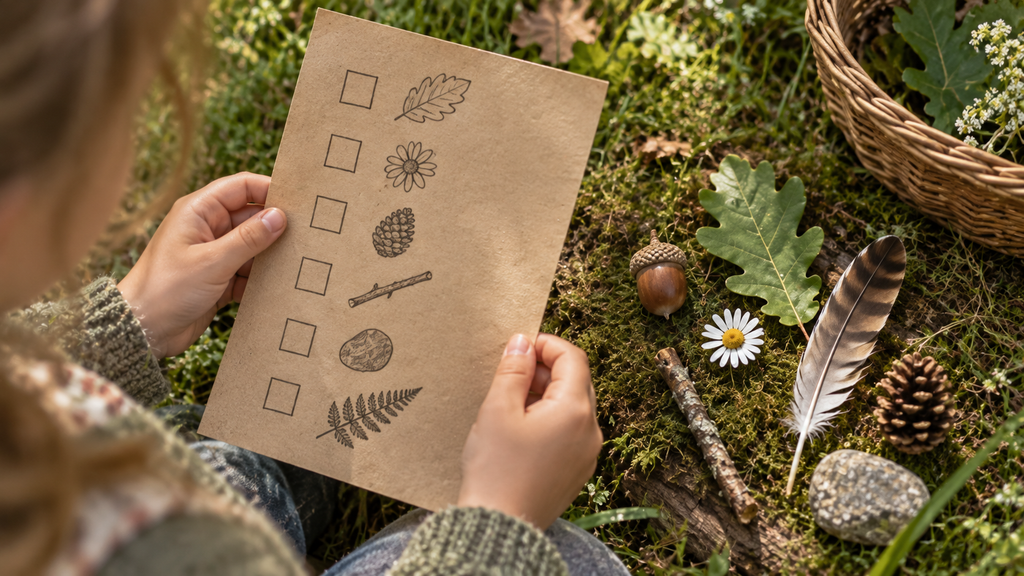
We started doing these in our local park before moving on to a proper nature reserve, and the difference in what the kids noticed was huge. Write a list of 10–12 things to find — a fallen leaf from three different trees, a feather, a pinecone, a piece of litter to pick up and bin responsibly — and let them lead. The litter-picking item matters: it turns the hunt from “look at nature” into “look after nature,” which is the whole point.
Tip: the UK native plants for pollinators guide is a good cheat sheet if you want to build a spring hunt around what’s actually flowering near you.
Free download
Get the Non‑Toxic Home Audit Checklist
A room‑by‑room checklist to help you spot what’s worth swapping in your home — and what’s not worth worrying about. Join the fortnightly newsletter and it’s yours.
No spam, unsubscribe any time.
2. Composting
This is the one that changed how our kids think about food waste, not just garden waste. A small compost bin (we started with a £15 plastic one from the local council scheme) sits by the back door, and the kids take it in turns to add peelings after dinner. Within six months we’d cut our food waste bin by more than half, and the compost itself has gone straight back into the veg beds.
If you’re just getting going, our Composting for beginners guide walks through bin types, what can and can’t go in, and how long it actually takes in a UK climate (longer than the American guides tell you).
3. Biking Adventures
We swapped the Saturday morning car trip to the shops for a bike ride wherever it’s safe to do so — not every week, but often enough that it’s become the default rather than the exception. It’s not really about the carbon saved on a two-mile trip; it’s that the kids now ask “can we bike it?” before “can we drive it?”
4. Wildlife Watching
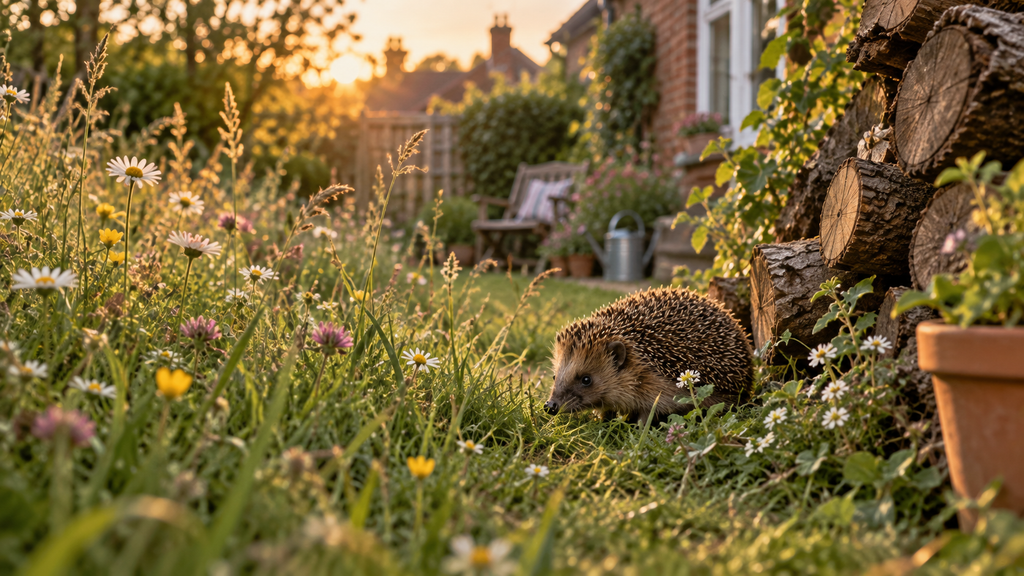
A proper wildlife sanctuary trip is lovely, but the wildlife watching that’s stuck with our kids happened in the back garden — since we stopped mowing one patch for No-mow May, we’ve had frogs, a family of hedgehogs, and more bees than we knew what to do with. If your garden’s a blank slate, our How to build a hedgehog highway guide is a free, half-hour project that makes a genuine difference.
5. Energy Conservation Challenge
We ran a week-long “who can use the least electricity” challenge, tracked on a simple whiteboard chart, with the small stuff — lights off, chargers unplugged, kettle filled properly rather than to the brim. The kids treated it like a game rather than a chore, which is really the trick to making any of this stick.
6. Beach or Park Cleanups
Local litter-picking groups exist in most UK towns, and turning up with the kids to one organised event is far easier than trying to run your own. It’s also a good, gentle way to talk about where litter actually ends up — the What’s actually in your household cleaning products post is a useful follow-on conversation about plastic packaging more broadly.
7. DIY Household Products
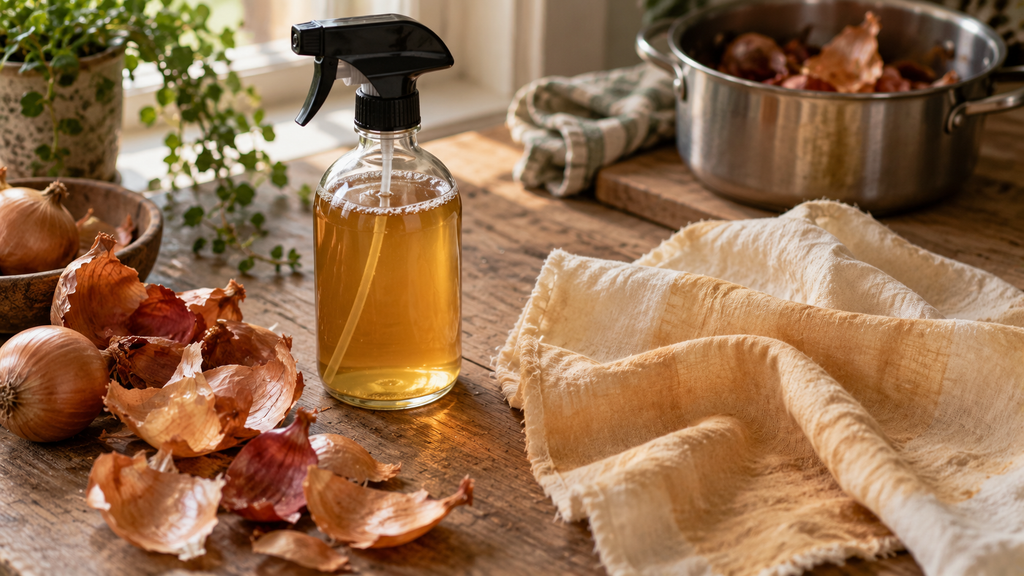
We started making our own multi-surface spray with white vinegar, water, and a few drops of essential oil after I got fed up with reading ingredient lists I didn’t understand. It’s cheaper, it works fine on most surfaces, and the kids like measuring it out. For anything it doesn’t handle well (bathroom limescale, mainly), see our full DIY natural cleaning recipes that actually work guide.
8. Natural Dyes and Fabrics
This is the messiest one on the list and also the one the kids request most. Onion skins, beetroot, and avocado stones all give surprisingly good colour on old white t-shirts and tea towels — it’s a proper kitchen-table science lesson that happens to also be a craft project.
Quick summary: none of these require special kit or a big budget — the ones that lasted in our house are the ones where the kids had a job to do, not just something to watch.