Support Local Farmers: A UK Guide to Cutting Food Miles
As an Amazon Associate I earn from qualifying purchases and sometimes recommend products from other sellers at no extra cost you. For more details see my disclosure policy and privacy policy.
I didn’t think much about where my food came from until I started tracking our weekly shop for a month. Tomatoes from Spain, green beans from Kenya, apples from New Zealand — in April, when British orchards were still six months from harvest. Add it up and the average UK shopping basket has quietly clocked up thousands of miles before it reaches the fridge.

That distance has a name: food miles. And it turns out that closing the gap between where your food grows and where you eat it is one of the simplest, most immediate changes you can make — better for the soil, better for your local economy, and honestly, better for what ends up on your plate.
What Are Food Miles, and Why They Matter
Food miles are the distance your food travels from farm to fork — by lorry, ship, or plane. The further it travels, the more fuel it burns, the more packaging it needs to survive the journey, and the more of its freshness (and nutrition) it loses along the way.

The UK imports around 40% of the food it eats, much of it from countries where the growing season doesn’t match our own. None of that makes an occasional avocado a moral failing. But it does mean that “buy local” isn’t just a nice sentiment — it’s a genuinely effective lever, and one of the few sustainability choices you can act on with your very next shop.
Free download
Get the Non‑Toxic Home Audit Checklist
A room‑by‑room checklist to help you spot what’s worth swapping in your home — and what’s not worth worrying about. Join the fortnightly newsletter and it’s yours.
No spam, unsubscribe any time.
Why I Started Buying Local
I started small: a Saturday trip to our village farmers’ market instead of the big supermarket run. Within a few weeks the difference was obvious — the carrots still had soil on them, the eggs tasted like eggs, and I’d started recognising the people who grew what I was eating. That last part surprised me most. Buying local isn’t just an environmental decision; it rebuilds a connection to food that a shrink-wrapped supermarket aisle quietly removes.

A year on, roughly two-thirds of our fresh produce comes from within 30 miles of home. It hasn’t been expensive, dramatic, or particularly difficult — just a handful of small habit changes, stacked up.
The Real Benefits of Buying Local
Fresher, more nutritious food. Local produce is often picked within days of reaching you, rather than weeks — which means better flavour and more of its original nutritional value intact.
Lower carbon footprint. Shorter transport distances mean fewer emissions per item — a straightforward way to shrink your household’s environmental impact without changing what you eat.
Money that stays local. Spending with a nearby farm or grower keeps income circulating in your local economy, rather than flowing to a distant supply chain.
More biodiversity on the plate. Small UK farms and growers tend to work with a wider range of varieties and breeds than large-scale monoculture suppliers — which is quietly good news for pollinators, soil health, and food resilience.
A relationship with your food. Once you know who grew your carrots, “food” stops being an abstract commodity. That shift tends to change how you shop, cook, and waste, in ways that ripple well beyond the shopping list.
Practical Ways to Support Local Farmers in the UK
- Shop your local farmers’ market. Most UK towns now run at least a monthly market — check your council website or FARMA’s directory to find your nearest.
- Join a veg box scheme or CSA. Community Supported Agriculture schemes let you pay upfront for a share of the season’s harvest, giving farmers financial stability and you a weekly box of whatever’s actually in season.
- Visit a farm shop or PYO farm. Many UK farms sell direct from the gate, and pick-your-own fruit farms are a genuinely lovely way to spend a Saturday with kids in tow.
- Look for “local” labels in supermarkets. Most major UK chains now flag regionally sourced produce — it’s a small habit that adds up.
- Eat seasonally. Food that’s in season locally hasn’t had to travel from the other side of the world to reach you — and it’s usually cheaper too.
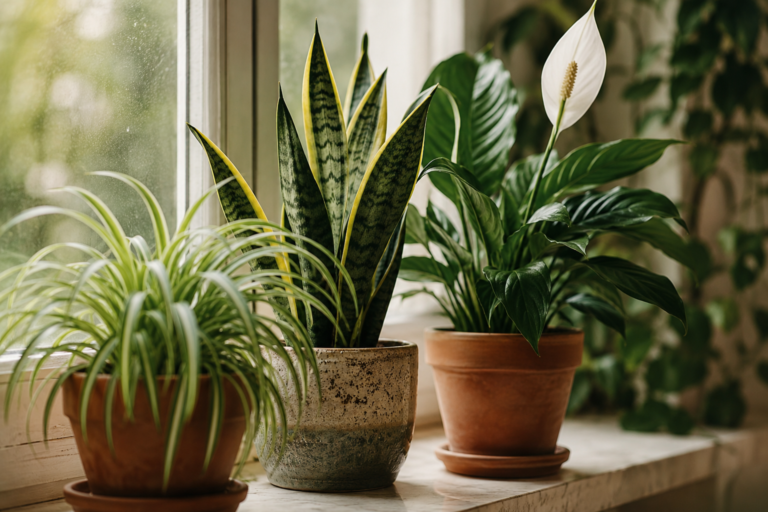
- Grow a little of your own. Even a windowsill of herbs or a few pots of salad leaves cuts your food miles to zero for that ingredient, and it’s one of the most satisfying ways to reconnect with where food comes from. If you want to go further, our guide to grow your own vegetables on a budget walks through exactly where to start.
Eating With the Seasons, Not Against Them
One of the biggest shifts for us wasn’t a shopping habit — it was a mindset one. Instead of asking “what do I want to eat this week?” I started asking “what’s actually in season right now?” It sounds like a small distinction, but it changes everything about how you cook, and it’s at the heart of what we mean by eating seasonally in the UK. When the glut hits — a box of runner beans, a tree full of plums — preserving the harvest through freezing, pickling, or fermenting means none of it goes to waste, and you’re still eating local in the depths of January.
It’s Not About Doing It Perfectly
None of this means cutting out imported food entirely, or feeling guilty about the odd out-of-season treat. This is about mindful consumption without feeling deprived — small, sustainable shifts rather than an all-or-nothing overhaul. Swap one weekly shop for a trip to a farmers’ market. Try a veg box scheme for a month. Plant one thing you’ll actually eat.
Every local purchase is a small vote for a shorter, more resilient food chain — and a food system that’s better for the soil, the climate, and the people growing what ends up on your plate.