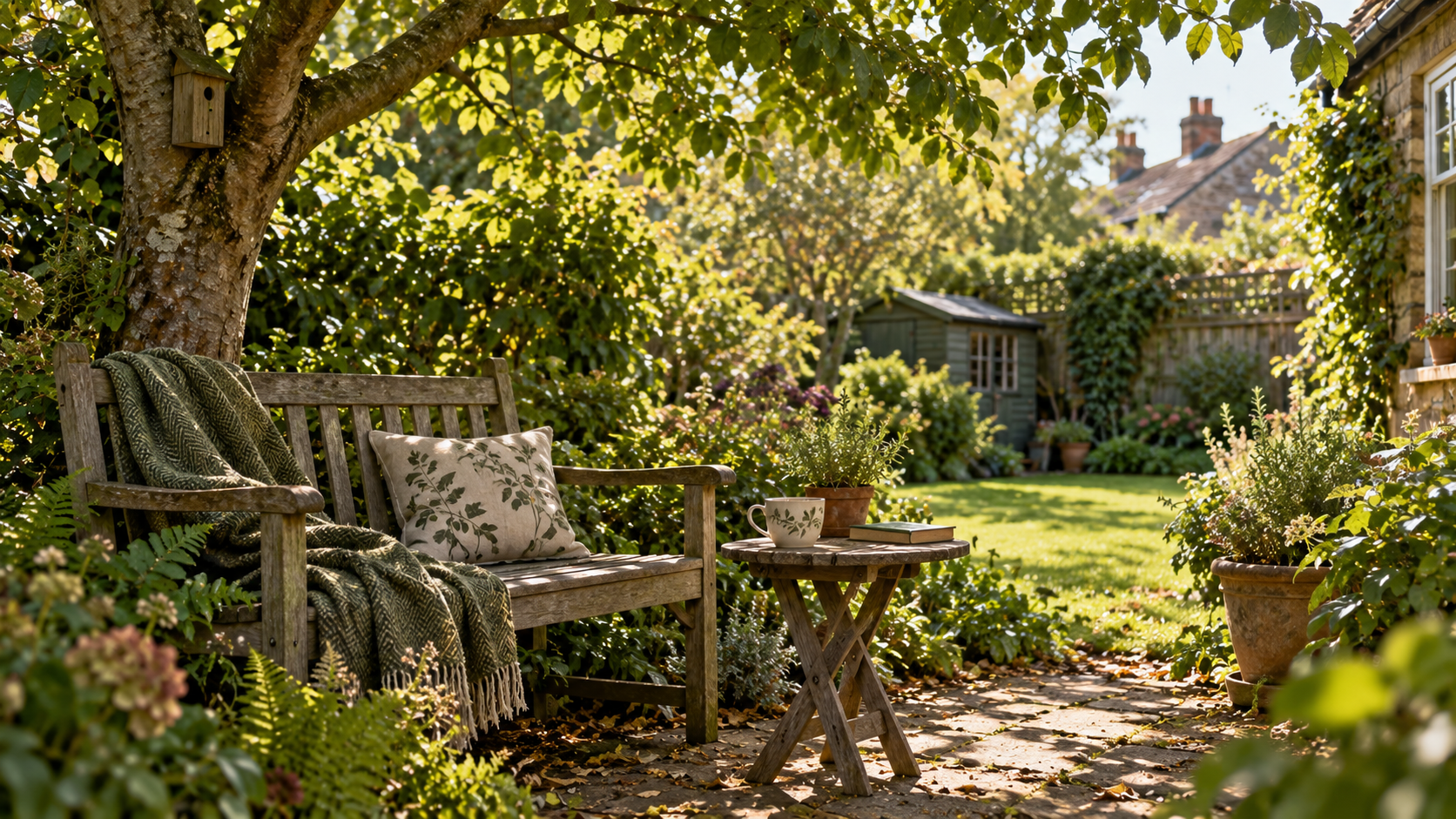
Why Every UK Garden Needs a Tree (Even a Small One)
As an Amazon Associate I earn from qualifying purchases and sometimes recommend products from other sellers at no extra cost you. For more details see my disclosure policy and privacy policy.
When we first talked about planting a tree in our own garden, I’ll admit I put it off for a year. Trees felt like a big commitment — permanent, slow, easy to get wrong. What changed my mind wasn’t a leaflet from the council or a gardening magazine. It was watching a neighbour’s young rowan fill up with blackbirds every autumn while our own patch sat bare and a bit lifeless in comparison.
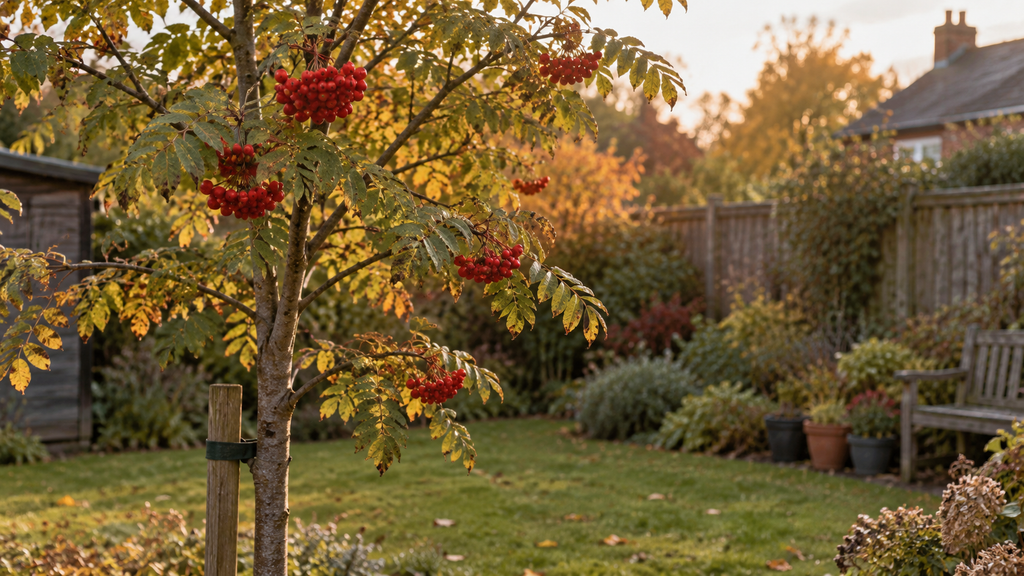
Trees are one of the few things you can add to a garden that quietly do more work than almost anything else you plant. They clean the air, cool the ground, hold the soil together, and give the local wildlife somewhere to actually live — not just visit. And in a small or medium UK garden, you don’t need a woodland to get the benefit. One well-chosen tree changes the whole feel of a space.
Here’s what trees genuinely do for the environment and for your garden, and how to pick one that will actually thrive in a British climate.
The environmental case for planting a tree
Trees are sometimes called “carbon sinks” because they draw carbon dioxide out of the air through photosynthesis and lock it away in their wood — one of the simplest, most direct things a garden can do for the climate. At the same time, they filter out airborne pollutants like nitrogen oxide and particulate matter, which matters more than most of us realise if your garden backs onto a road.
Free download
Get the Non‑Toxic Home Audit Checklist
A room‑by‑room checklist to help you spot what’s worth swapping in your home — and what’s not worth worrying about. Join the fortnightly newsletter and it’s yours.
No spam, unsubscribe any time.
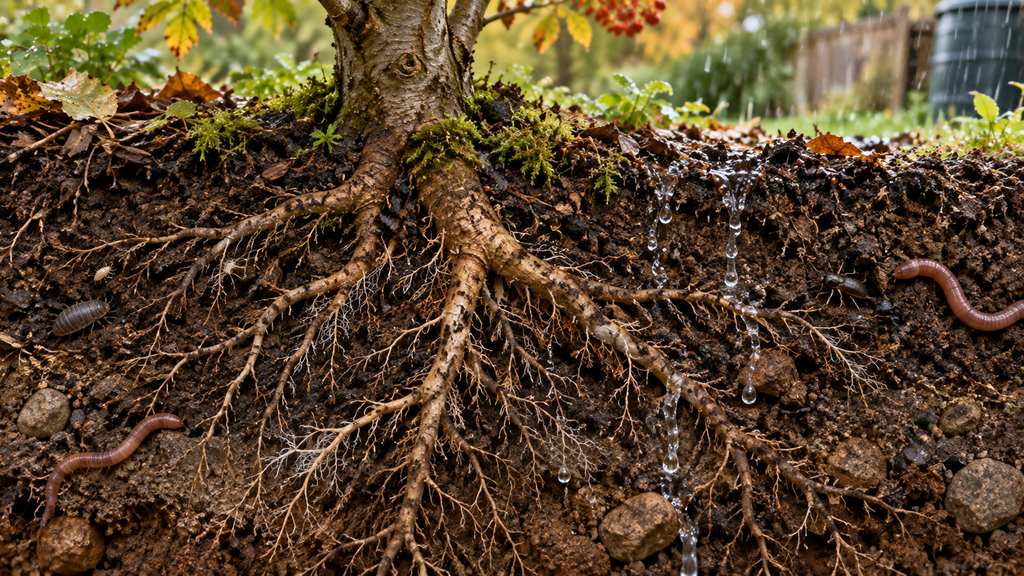
Trees also do quiet, unglamorous work below the surface. Their root systems hold soil in place, reducing erosion and slowing the rate at which rainwater runs straight off your garden and into the drains — something that’s becoming more relevant as UK winters bring heavier, more frequent downpours. And because a mature tree’s canopy intercepts rain before it hits the ground, tree cover is one of the most effective small-scale defences against localised flooding.
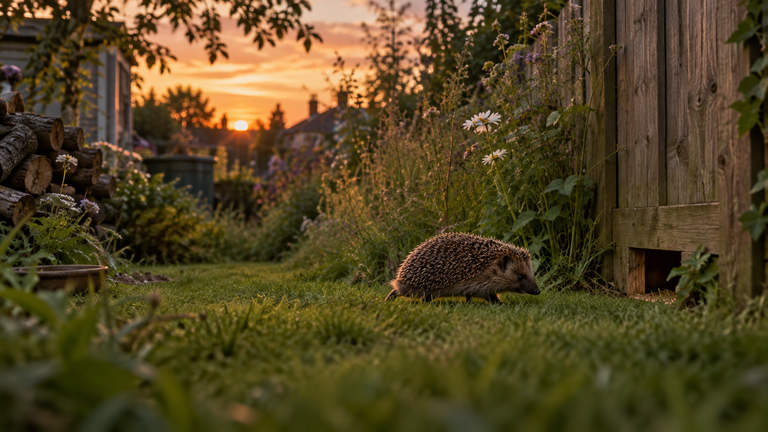
Then there’s wildlife. A single native tree can support hundreds of insect species, which in turn feed the birds, bats, and hedgehogs that make a garden feel genuinely alive rather than just tidy. If you’ve read our guide to native plants for pollinators, a tree is really the anchor point that guide is building toward — everything else in a wildlife-friendly garden benefits from having one nearby.
How a tree earns its place in your garden
Beyond the environmental case, a tree changes how a garden actually works day to day.
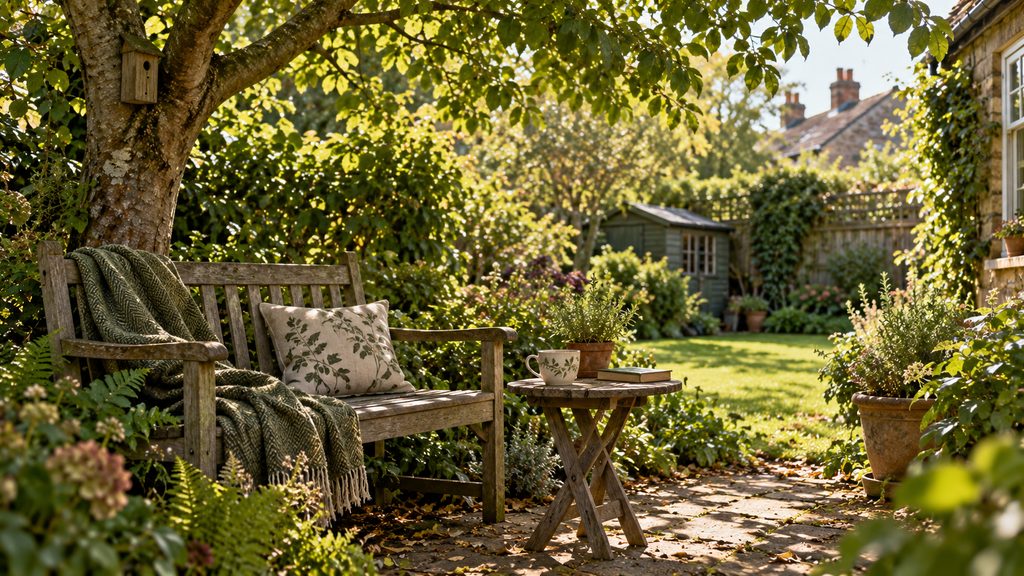
Shelter and shade. A well-placed tree acts as a natural windbreak, protecting more delicate plants from being battered in exposed spots — genuinely useful if you’re on a hillside or an open plot. In summer, dappled shade from a tree can be the difference between a border that scorches by July and one that holds its colour.
Soil health. Fallen leaves break down into leaf mould, one of the best free soil conditioners available, and a tree’s roots help maintain soil structure and moisture retention in a way that grass simply doesn’t.
A finished, established look. This is the one people underestimate. A garden with even one well-grown tree reads as mature and intentional in a way that borders and lawn alone rarely achieve — and it’s one of the few garden features that genuinely adds to a property’s kerb appeal over time.
Choosing the right tree for a UK garden
This is where a lot of tree-planting advice goes wrong — it’s written for a different climate. What thrives in the US doesn’t necessarily suit British soil, rainfall, or winters, so it’s worth sticking with species the RHS recommends for UK conditions and, ideally, ones that are native or near-native, since these support far more local wildlife than ornamental imports.
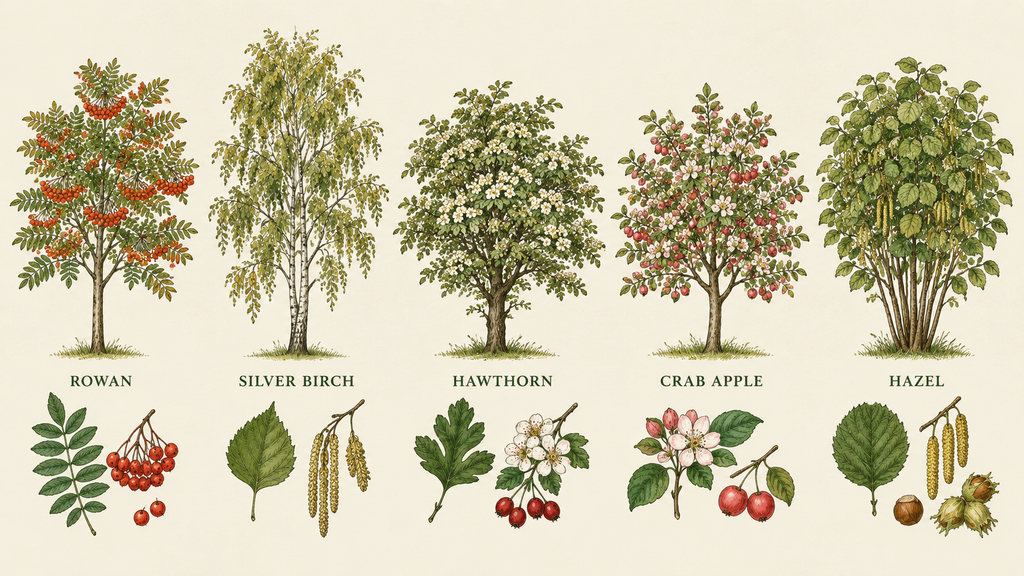
For most UK gardens, worth considering:
- Rowan (Sorbus aucuparia) — compact, tolerant of most soils, covered in berries that birds strip within days
- Silver birch (Betula pendula) — fast-growing, light canopy that won’t smother a small border
- Hawthorn (Crataegus monogyna) — brilliant for wildlife, copes with almost any UK soil
- Crab apple (Malus sylvestris) — spring blossom, autumn fruit, genuinely small-garden-friendly
- Hazel (Corylus avellana) — can be coppiced to control size, useful if space is tight
If your garden is small, a courtyard, or even a large container on a patio, don’t rule trees out — species like crab apple and hazel can be kept compact with light pruning, and there are dwarf rootstocks bred specifically for restricted spaces.
Before you plant, it’s worth checking your soil type, how much sun the spot gets, and how big the tree will actually be in 15 years — not just at the garden centre. A quick chat with a local nursery, or the RHS tree selector tool, will save you from the classic mistake of planting something that outgrows its spot within a decade.
Planting and care, briefly
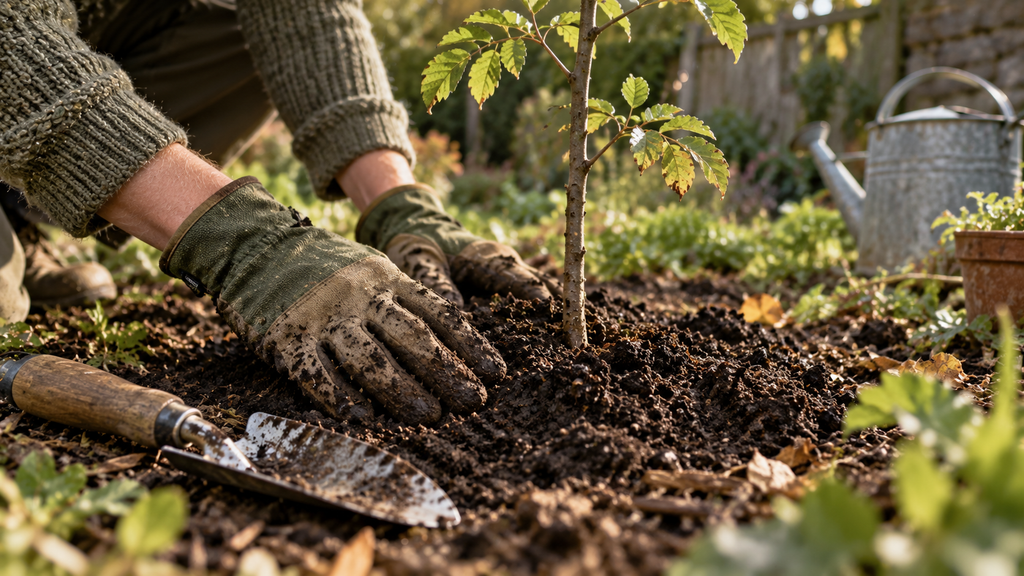
Once you’ve chosen a tree, the basics matter more than anything fancy: plant it at the same depth it was in the pot, water it well and consistently for the first two summers (this is where most young trees fail — not from cold, but from drought), and stake it loosely if it’s in an exposed spot. A layer of mulch around the base — not touching the trunk — keeps competing weeds down and moisture in.
If you’re planning a wider wildlife garden around it, our guide to building a hedgehog highway and log piles and bug hotels are natural next steps once your tree is in.
A small, permanent thing worth doing
Planting a tree is one of the few genuinely long-term things you can do in a garden. It won’t transform anything this year, or even next year — but it’s quietly one of the highest-impact choices available to anyone with outdoor space, whatever the size. It supports wildlife, improves your soil, cools your garden in summer, and gives you something that gets better, not worse, with age.
If you don’t have space of your own, that’s not the end of it — community tree-planting days and local conservation charities are always short of hands, and it’s a genuinely good way to spend an afternoon. But if you do have even a small patch of soil or a large pot, this is a good year to put something in the ground.
What’s growing in your garden this year? I’d love to hear what you’ve planted — reply and let me know.