The Best Indoor Plants for Purifying Indoor Air
As an Amazon Associate I earn from qualifying purchases and sometimes recommend products from other sellers at no extra cost you. For more details see my disclosure policy and privacy policy.
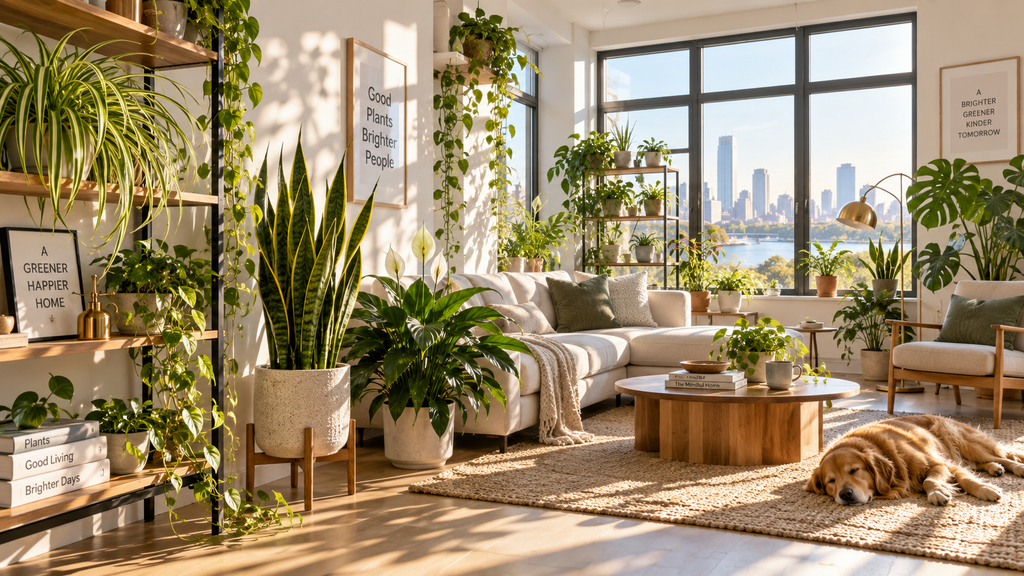
In recent years, the importance of indoor air quality has become increasingly recognized. Poor air quality can lead to various health issues, including allergies, respiratory problems, and even chronic diseases. While air purifiers and ventilation systems are great solutions, incorporating indoor plants into your home or office is a natural, cost-effective way to enhance air quality. Plants not only add a touch of nature to your space but also play a significant role in purifying the air by removing toxins and producing oxygen. Here’s a list of the best plants for purifying indoor air.
Spider Plant (Chlorophytum comosum)
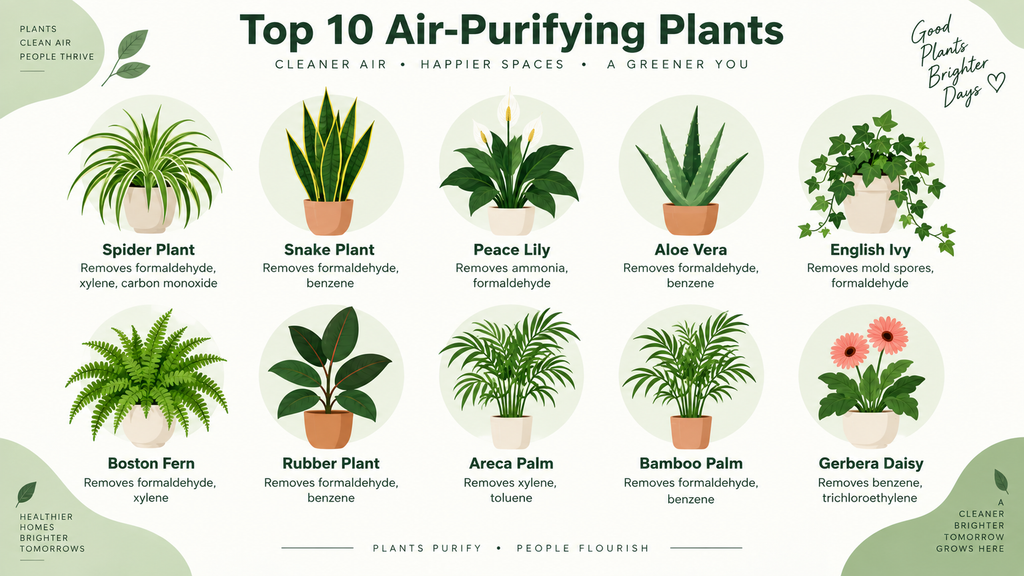
Spider plants are known for their exceptional ability to filter out formaldehyde, xylene, and carbon monoxide from the air. They are also easy to care for, making them perfect for beginners. These plants thrive in indirect sunlight and only need to be watered occasionally, allowing the soil to dry out between waterings.
Snake Plant (Sansevieria trifasciata)

Also known as the mother-in-law’s tongue, the snake plant is a powerful air purifier. It removes toxins such as formaldehyde, benzene, and trichloroethylene. Unlike many other plants, snake plants convert CO2 into oxygen at night, making them ideal for bedrooms. They require minimal care, preferring indirect light and infrequent watering.
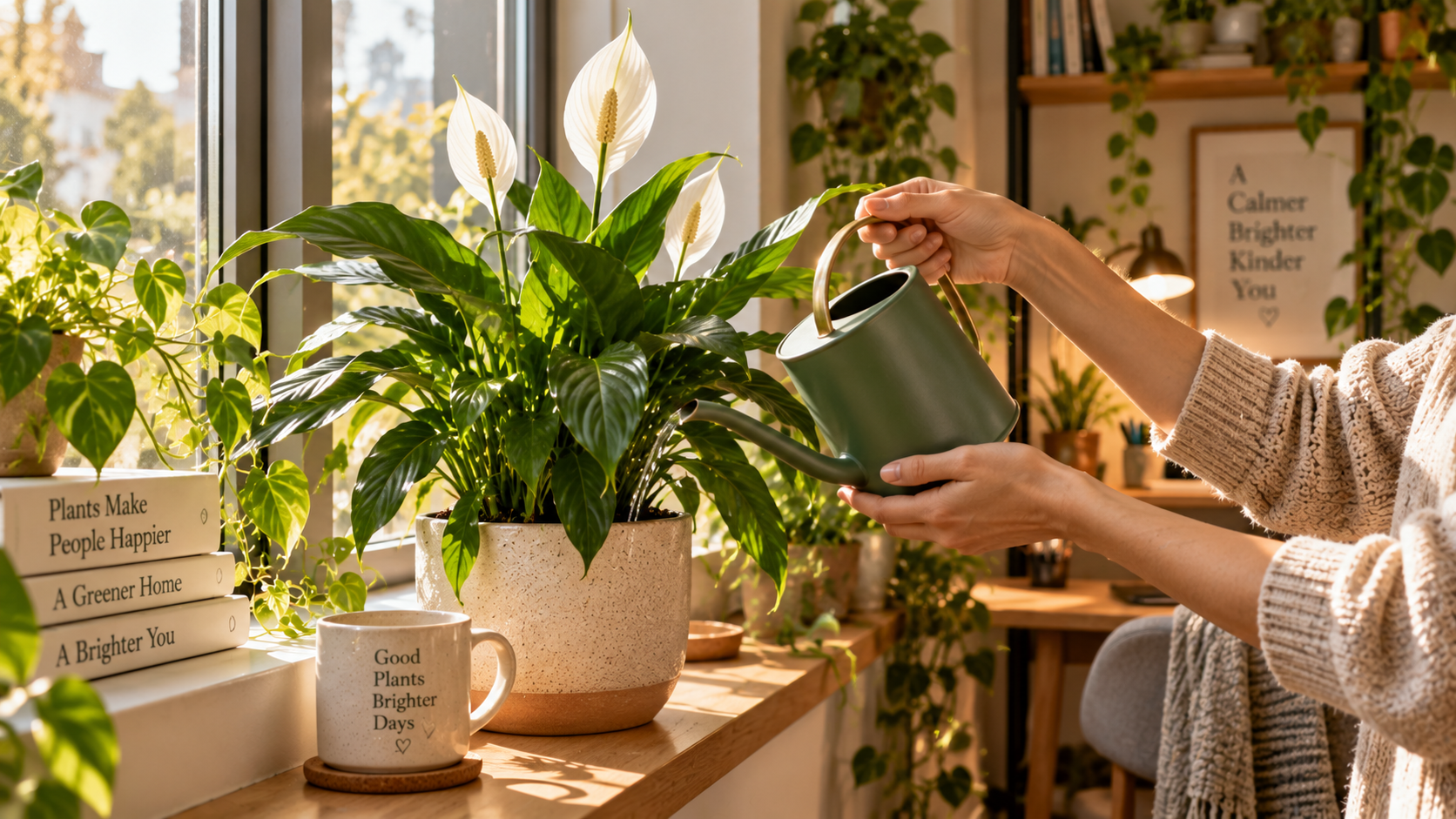
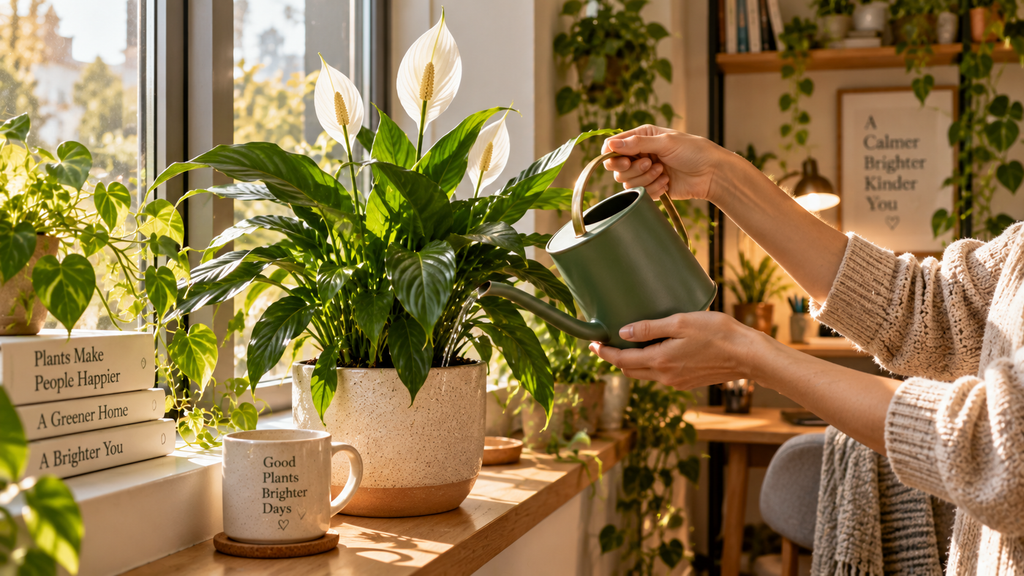
Peace Lily (Spathiphyllum)
Peace lilies are not only beautiful with their white flowers but also effective at removing pollutants like ammonia, benzene, formaldehyde, and trichloroethylene. They thrive in low-light conditions and need to be watered regularly to keep the soil moist. However, it’s important not to overwater them as they are prone to root rot.
Free download
Get the Non‑Toxic Home Audit Checklist
A room‑by‑room checklist to help you spot what’s worth swapping in your home — and what’s not worth worrying about. Join the fortnightly newsletter and it’s yours.
No spam, unsubscribe any time.
Aloe Vera
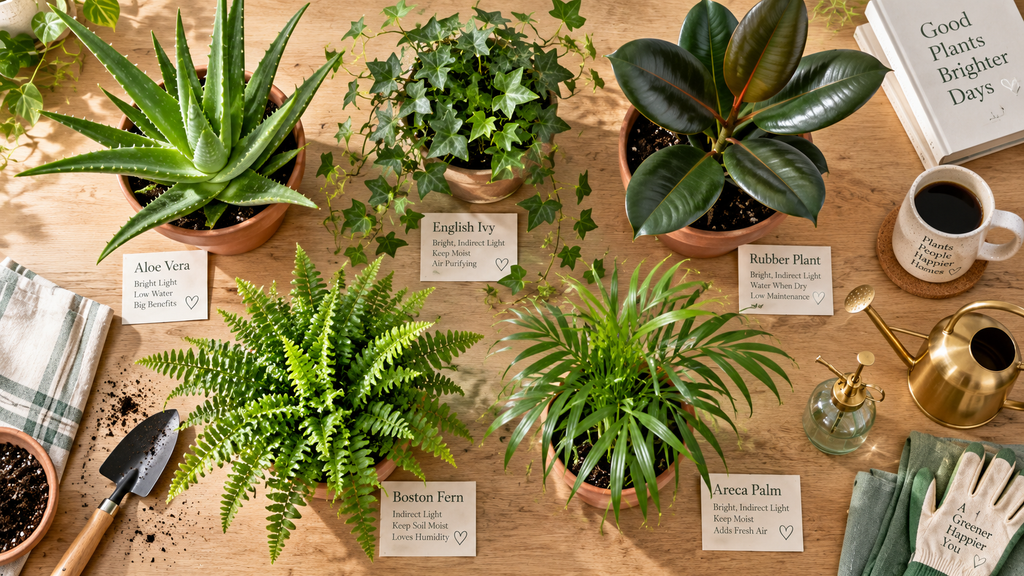
Aloe Vera is renowned for its healing properties, but it’s also great for purifying the air. It effectively removes formaldehyde and benzene, commonly found in household cleaning products. Aloe Vera prefers bright, indirect sunlight and requires minimal watering, making it a low-maintenance addition to any indoor space.
English Ivy (Hedera helix)
English Ivy is excellent for reducing airborne fecal particles and filtering out formaldehyde. This climbing plant is versatile and can be grown in hanging baskets or as a ground cover in larger pots. It thrives in moderate light conditions and prefers moist, well-drained soil.
Boston Fern (Nephrolepis exaltata)
Boston ferns are effective at removing pollutants such as formaldehyde and xylene. They are also known for their humidity-boosting properties, which can be particularly beneficial in dry indoor environments. Boston ferns prefer cool, humid conditions with indirect light and should be kept consistently moist.
Rubber Plant (Ficus elastica)
The rubber plant is a robust air purifier, known for its ability to remove formaldehyde from the air. It’s a striking plant with large, glossy leaves that add a touch of elegance to any room. Rubber plants prefer bright, indirect light and need to be watered when the top layer of soil dries out.
Areca Palm (Dypsis lutescens)
Areca palms are not only effective at removing toxins like formaldehyde, xylene, and toluene but also add a tropical feel to your indoor space. These plants thrive in bright, indirect light and prefer consistently moist soil. They also contribute to increased humidity levels, which can be beneficial in dry indoor environments.
Bamboo Palm (Chamaedorea seifrizii)
The bamboo palm is excellent for filtering out formaldehyde, benzene, and trichloroethylene. This plant is easy to care for and thrives in indirect light. It prefers well-drained soil and regular watering, ensuring the soil remains slightly moist.
Gerbera Daisy (Gerbera jamesonii)
Gerbera daisies are vibrant flowering plants that are also effective at removing benzene, formaldehyde, and trichloroethylene from the air. They require bright light to thrive and should be watered regularly to keep the soil moist but not waterlogged.
healthier living environment
Incorporating these air-purifying plants into your indoor spaces can significantly improve air quality, contributing to a healthier living environment. Not only do they filter out harmful toxins, but they also add beauty and a sense of tranquility to your home or office. Remember to choose plants that suit your living conditions and care preferences to ensure they thrive and continue to purify the air effectively. Happy planting!
You might also like: