What Is Sustainable Living? A Practical Guide for UK Households
As an Amazon Associate I earn from qualifying purchases and sometimes recommend products from other sellers at no extra cost you. For more details see my disclosure policy and privacy policy.
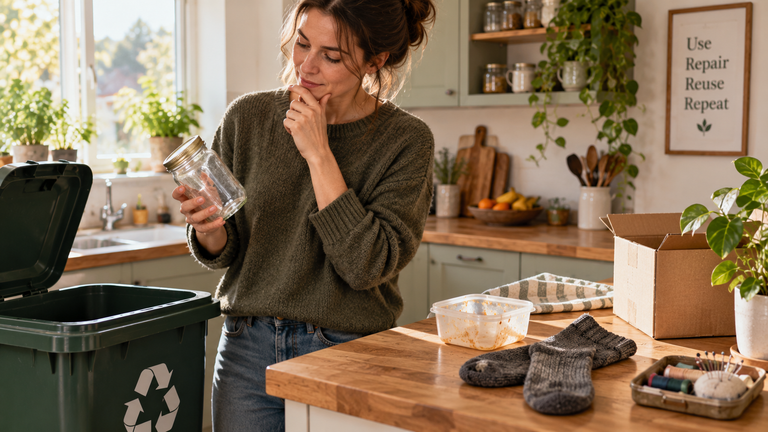
I used to think “sustainable living” meant giving something up. A car, a takeaway coffee, a normal-sized bin. It took me a good year of getting it wrong — buying the wrong “eco” version of things, over-complicating simple swaps — to realise it’s actually the opposite. It’s less stuff, less waste, and less money leaving your account each month, not more effort going into your life.
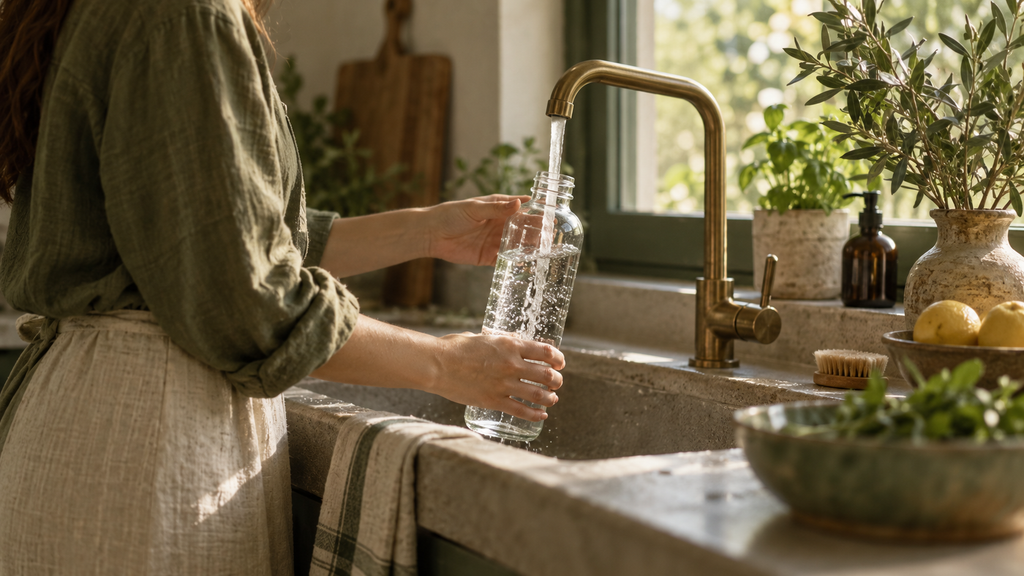
This guide is the one I wish I’d had when I started: what sustainable living actually means, why plastic is a sensible first target, and which swaps are worth your time in a UK home — not a US one, where half the “eco” brands you see online aren’t even available to buy here.
What Does Sustainable Living Actually Mean?
Sustainable living is simply making choices that meet your needs today without costing tomorrow more than it should — using resources carefully, cutting waste, and leaning on renewable options where you can. In practice, in a British household, that looks fairly ordinary: a load of washing you actually fill up before running, a bag of veg from growing your own vegetables instead of the supermarket, buying something built to be repaired rather than replaced.
None of this requires solar panels or a smallholding. The RHS, WRAP, and the Energy Saving Trust all point to the same thing: small, consistent household choices — chosen because they work for your life, not because they photograph well — are what actually move the needle. If a swap only survives one week in your kitchen, it isn’t sustainable; it’s just for show.
Free download
Get the Non‑Toxic Home Audit Checklist
A room‑by‑room checklist to help you spot what’s worth swapping in your home — and what’s not worth worrying about. Join the fortnightly newsletter and it’s yours.
No spam, unsubscribe any time.
In one line: sustainable living means using what you need, wasting less of it, and choosing things that last — not performing perfection for an audience.
Preserving the Harvest: Freezing, Pickling, and Fermentation Basics
Why Ditching Single-Use Plastic Is a Good Place to Start
Plastic is the easiest entry point because you can see it, touch it, and count it in your recycling bin every week. Nearly every piece of plastic ever made still exists somewhere — most of it can take centuries to break down — so every swap you make away from single-use plastic is one item that never joins that pile.
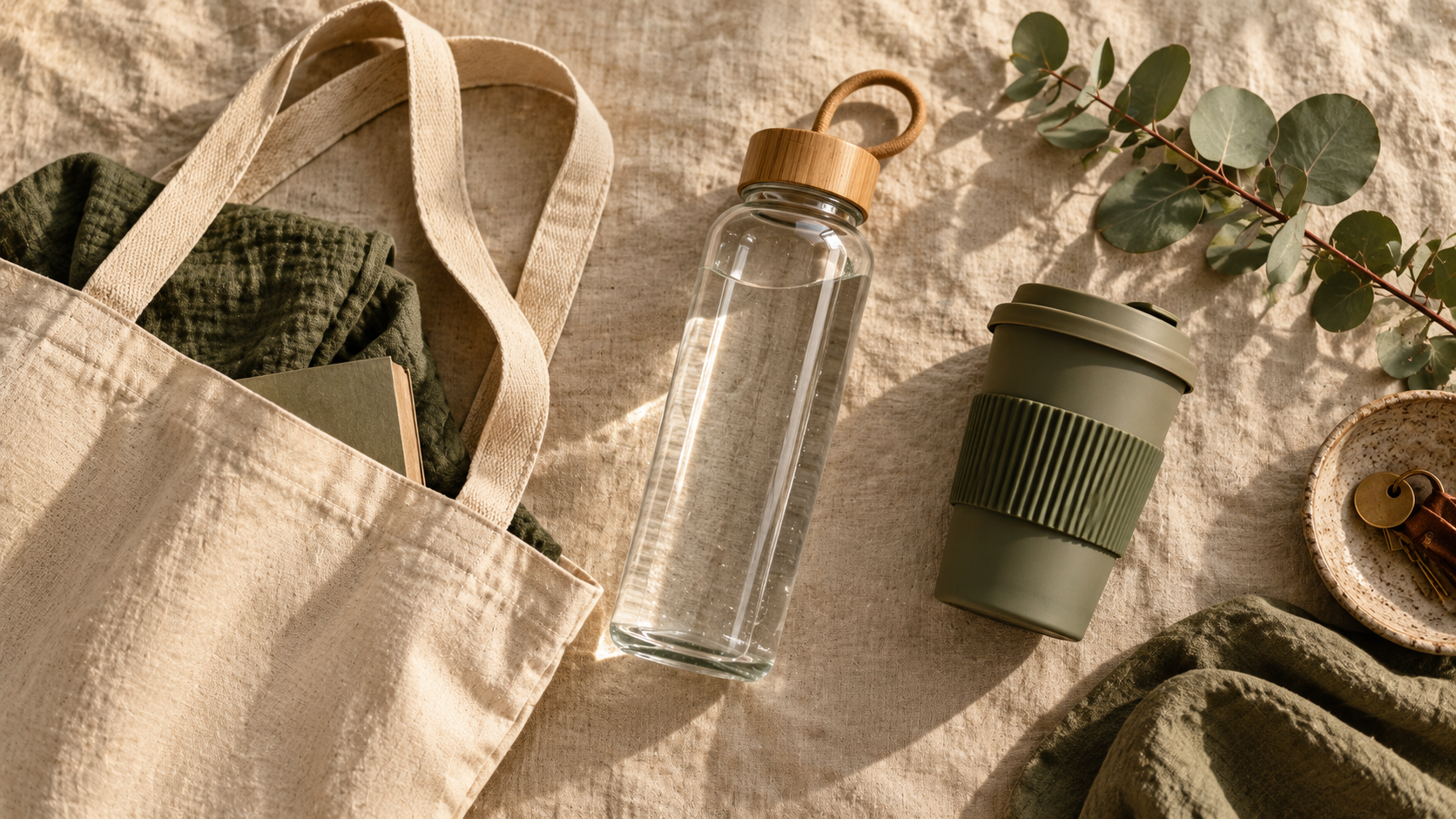
It’s also the cheapest way in. You don’t need a full kitchen overhaul; you need a refillable water bottle, one solid tote bag, and a reusable coffee cup you’ll actually remember to bring. That’s genuinely most of the impact for a fraction of the cost of a full “zero waste” starter kit — and it sidesteps the guilt-driven, all-or-nothing version of eco living that puts most people off within a fortnight.
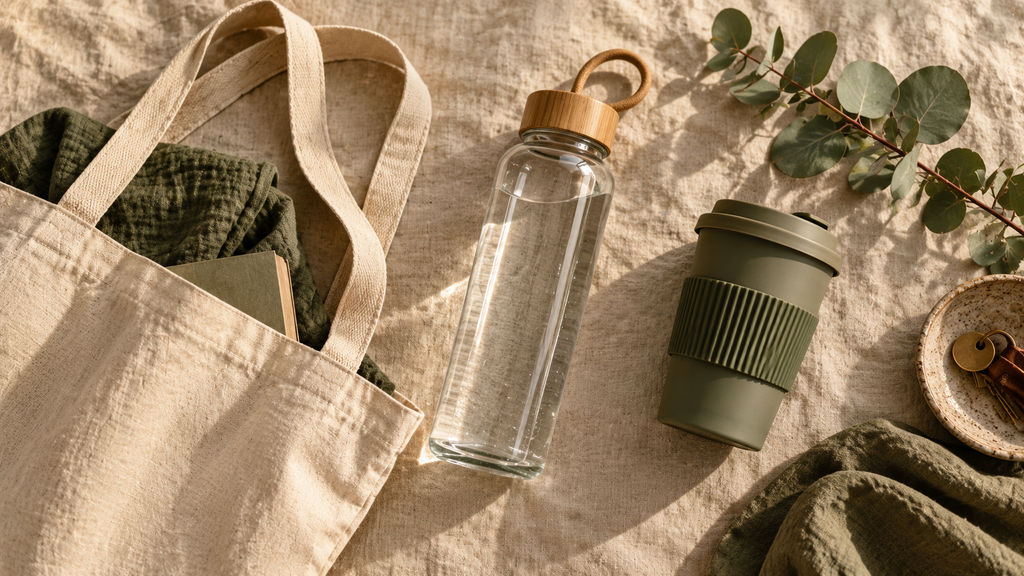
Three to start with:
- A glass water bottle (roughly 500–600ml) — easier to clean thoroughly than most plastic bottles, and it doesn’t hold onto smells or stains
- A sturdy, washable tote bag — one that survives a supermarket shop, not a flimsy freebie
- A reusable coffee cup with a proper seal — many UK coffee shops still knock 20–50p off your order for bringing your own
Finding Greener Alternatives for Household Items
Once plastic is sorted, the next easiest wins are in the kitchen and bathroom — the rooms where single-use items pile up fastest. Look for things made from bamboo, glass, or recycled and biodegradable materials, and check they’re actually built for UK use (voltage, water hardness, and local recycling symbols all vary from the US content you’ll find most eco advice written for).
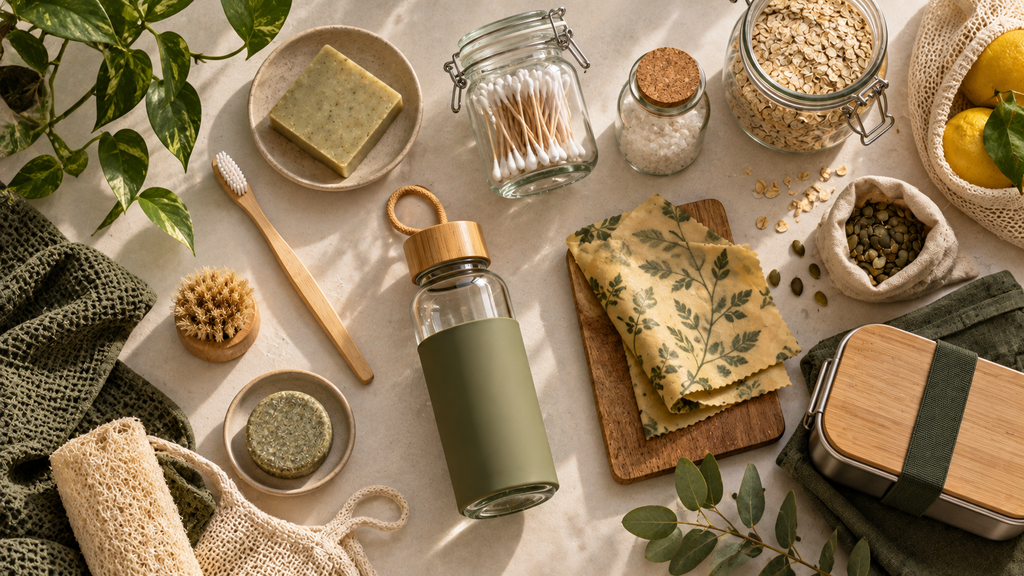
This is also where the health argument sits alongside the environmental one — a lot of these swaps quietly cut out the synthetic fragrances and coatings found in conventional plastic homeware, which is worth knowing even if the planet isn’t your only motivation.
Making the Switch Without It Taking Over Your Life
The households that actually stick with this long-term aren’t the ones who overhaul everything in a weekend. They’re the ones who replace things as they wear out, starting with whatever they use most.
- Start with what you touch daily — your water bottle and coffee cup get used far more than, say, your washing-up brush, so start there
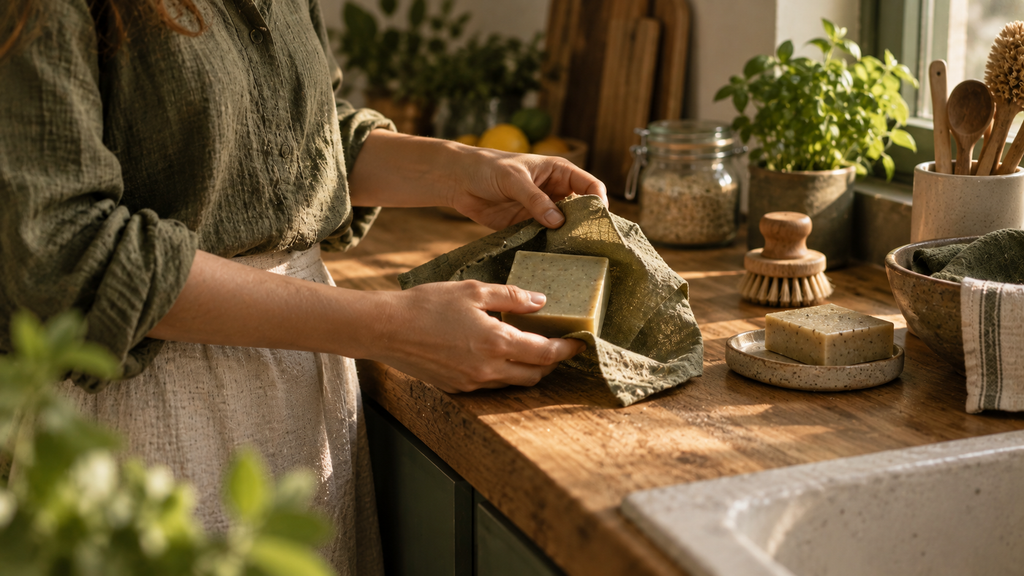
- Buy less packaging, not just different packaging — a bar of soap with no wrapper beats a “green” bottle every time
- Let go of buying it all at once — replace items as the old ones actually wear out; that’s both cheaper and less wasteful than binning working plastic to look the part
- Judge it by what survives, not by how it looks on day one — if a swap is still in daily use after three months, it’s working
Where This Fits Into the Bigger Picture
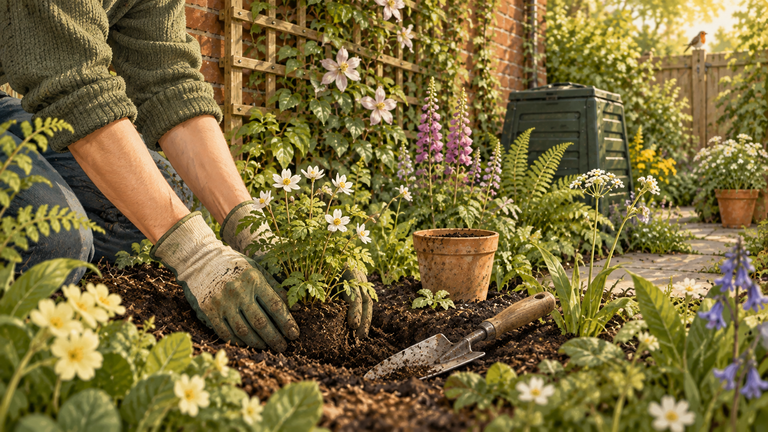
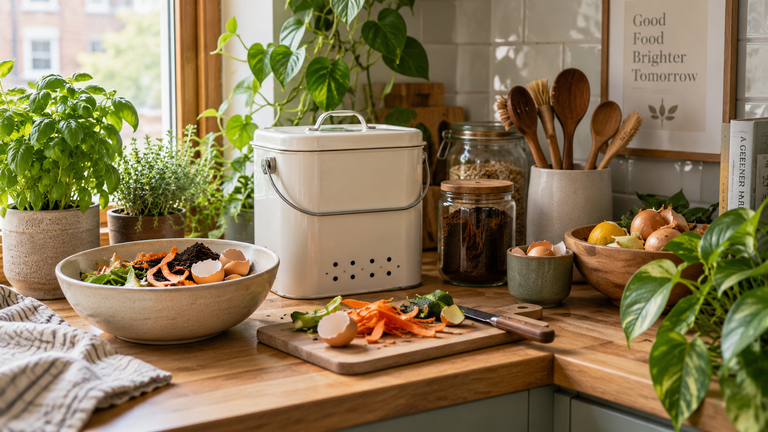
Sustainable living touches more of the house than plastic alone. If you’re ready to go further, our guide to harvesting rainwater at home covers a UK-specific way to cut your water bill and your garden’s dependence on the mains. If you already grow anything at home, our piece on food preservation techniques will help you waste less of what you grow — and our notes on garden biodiversity are a good next stop if the outdoor side of this interests you as much as the indoor side. Working from home? Our eco-friendly home office guide covers the same “small, lasting swaps” approach for your desk setup.

The short version: sustainable living isn’t a personality or a purchase — it’s a handful of ordinary habits, chosen because they last, not because they perform well online. Start with plastic, keep what actually works, and build from there.