How to Start an Eco-Club at School: A Guide for Kids and Teachers
As an Amazon Associate I earn from qualifying purchases and sometimes recommend products from other sellers at no extra cost you. For more details see my disclosure policy and privacy policy.
In today’s world, environmental awareness is more crucial than ever, and schools play a vital role in nurturing this consciousness. Starting an eco-club at your school is an excellent way to promote sustainability, engage students in meaningful activities, and make a positive impact on both the school and the wider community. This guide will walk you through the process of establishing and running a successful eco-club, empowering students and teachers to become environmental leaders.
Getting Started
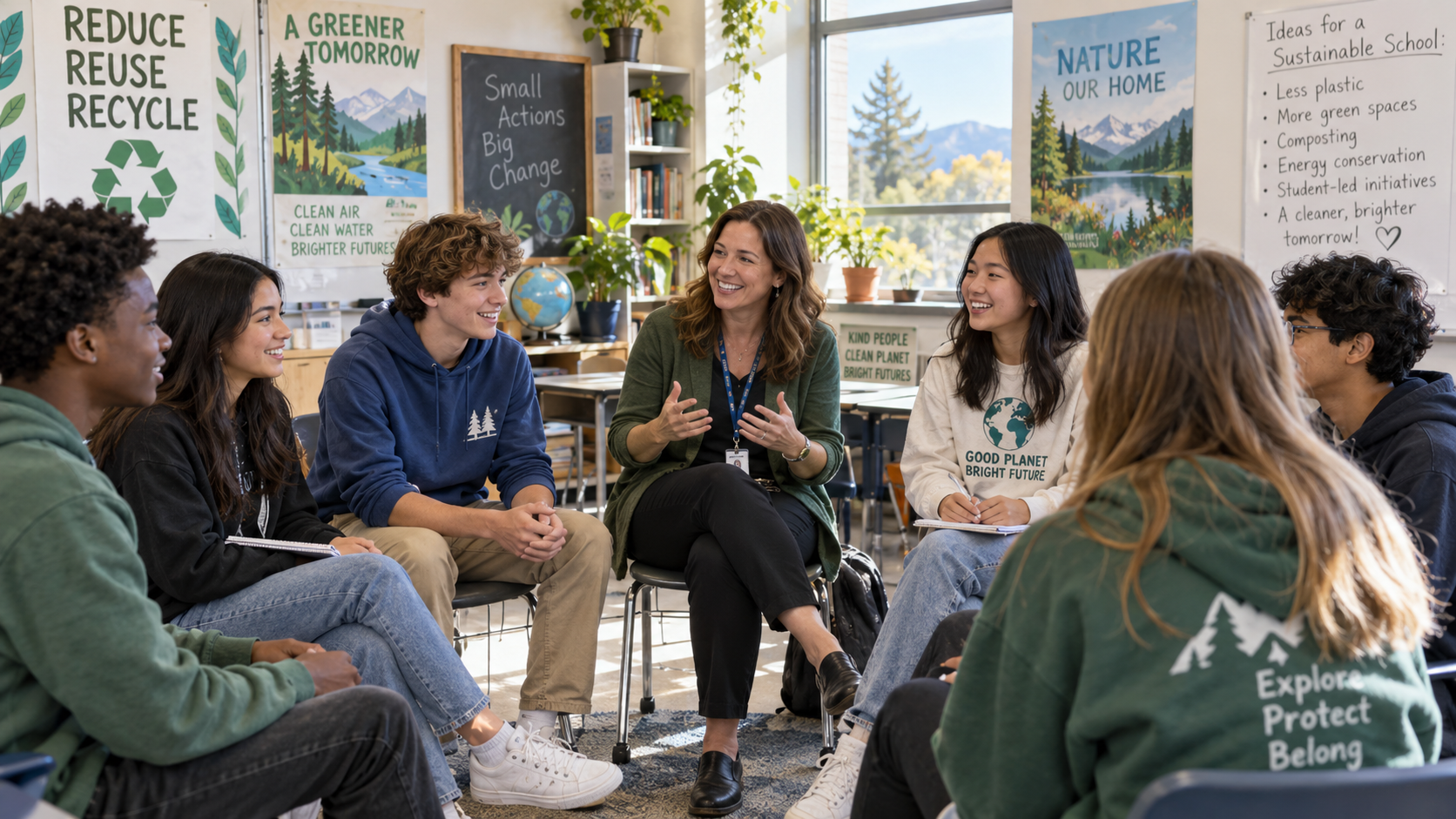
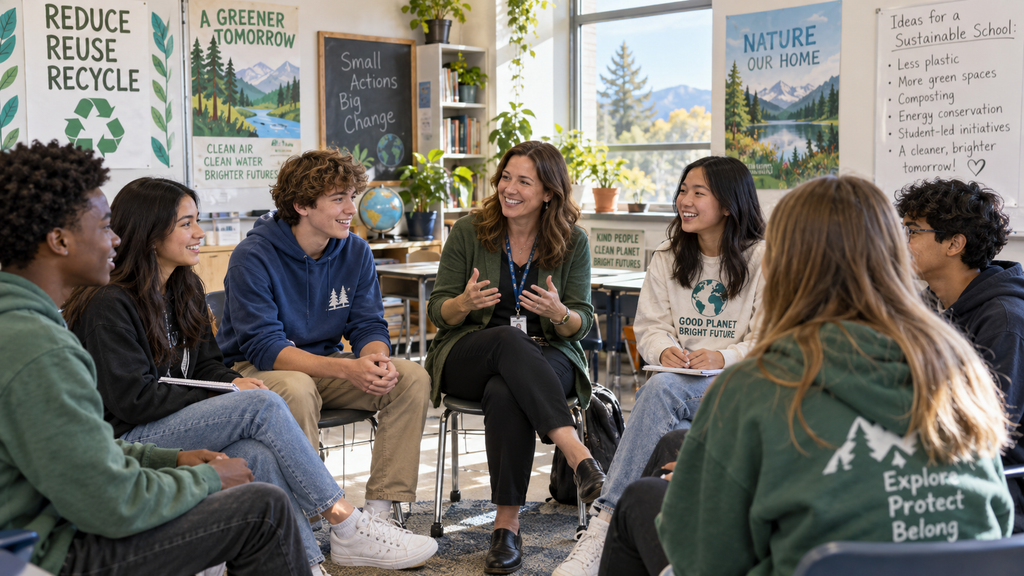
The first step in creating an eco-club is to gather a group of enthusiastic students and teachers who share a passion for environmental issues. Identify potential members through classroom discussions, announcements, or by reaching out to science and environmental studies teachers. Once you have a core group, select a faculty advisor who can provide guidance and act as a liaison between the club and school administration. Decide on a regular meeting schedule and find a suitable location within the school for your gatherings.
Setting Goals and Objectives
With your initial team assembled, it’s time to define the purpose and direction of your eco-club. Hold a brainstorming session where all members can share their ideas and visions for the club. Prioritize these ideas into short-term and long-term goals, considering both the impact and feasibility of each proposal. Use this information to craft a clear and inspiring mission statement that encapsulates the club’s purpose and aspirations.
Club Structure and Roles
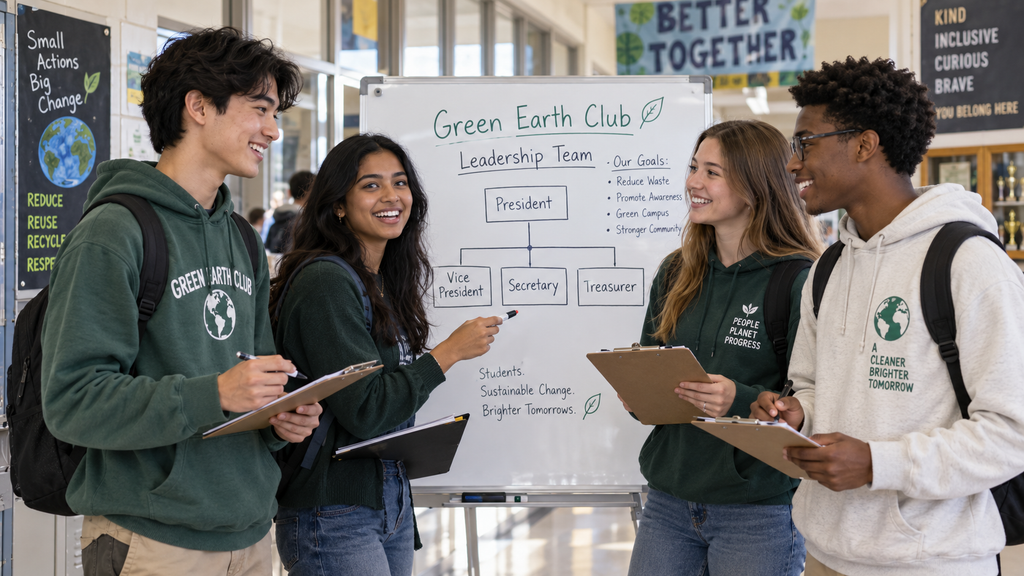
To ensure smooth operation and equal participation, establish a formal structure for your eco-club. Elect officers such as a President, Vice President, Secretary, and Treasurer, clearly defining the responsibilities for each role. You may also want to create committees focused on specific projects or areas of interest, such as recycling, energy conservation, or community outreach. This structure will help distribute tasks and allow members to develop leadership skills.
Free download
Get the Non‑Toxic Home Audit Checklist
A room‑by‑room checklist to help you spot what’s worth swapping in your home — and what’s not worth worrying about. Join the fortnightly newsletter and it’s yours.
No spam, unsubscribe any time.
Planning Activities and Projects
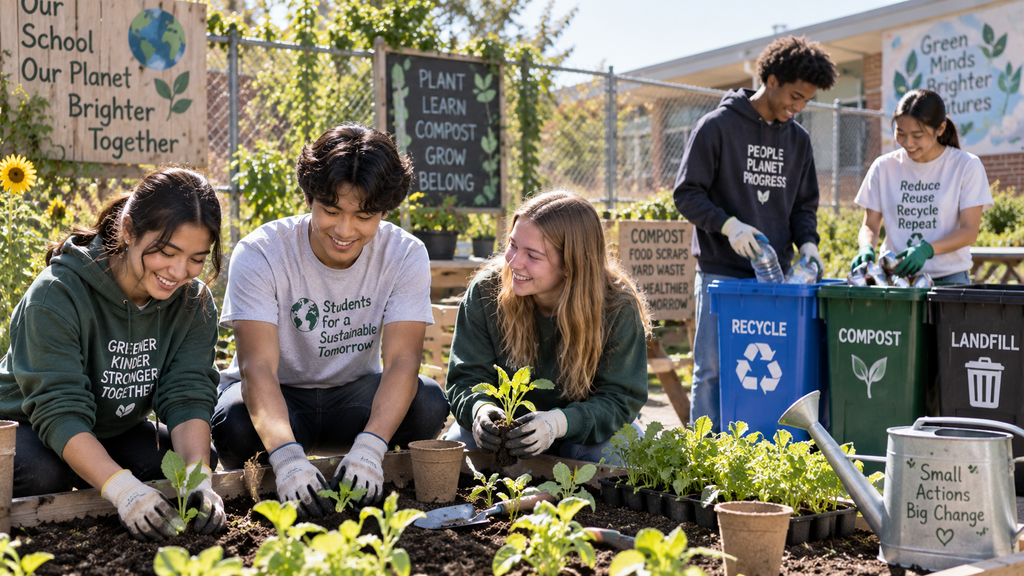
The heart of your eco-club lies in its activities and projects. Start with initiatives that have a visible impact on your school environment, such as implementing a comprehensive recycling program or launching an energy conservation campaign. Consider creating a school garden or composting system to teach members about sustainable food production. Plan regular environmental awareness campaigns to educate the broader school community on important ecological issues.
Engaging the School Community
For your eco-club to thrive, it needs support from the entire school community. Promote your club through various channels, including school announcements, posters, social media, and word of mouth. Organize eco-friendly events and competitions that encourage participation from all students and staff. Collaborate with other school clubs and organizations to integrate environmental awareness into diverse activities and reach a wider audience.
Securing Resources and Support
To bring your eco-initiatives to life, you’ll need resources and support. Start by securing approval and backing from your school administration. Research and apply for environmental grants or organize fundraising events to finance your projects. Seek partnerships with local environmental organizations, businesses, or government agencies that can provide expertise, materials, or volunteer support for your activities.

Measuring Impact and Growth
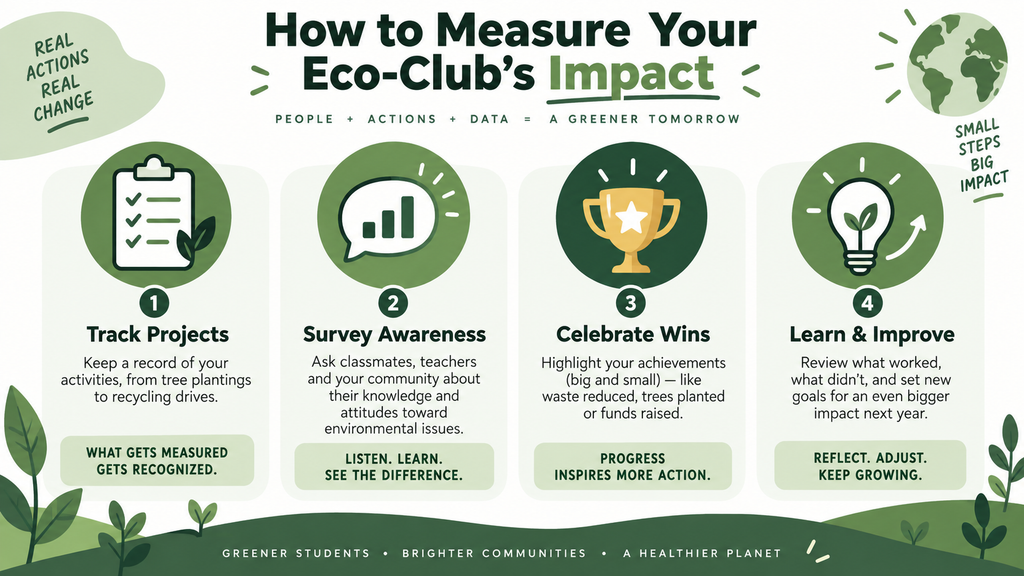
As your eco-club progresses, it’s important to track your achievements and areas for improvement. Keep records of your projects and their outcomes, and conduct regular surveys to gauge the impact on environmental awareness within the school. Celebrate your successes, no matter how small, to keep members motivated. Learn from challenges and use them as opportunities for growth and innovation.
Expanding Beyond the School
Once your eco-club is well-established within the school, look for ways to extend your impact to the wider community. Participate in local clean-up events, tree-planting initiatives, or conservation projects. Reach out to eco-clubs in other schools to share ideas and collaborate on larger projects. Encourage members to attend environmental conferences or workshops to broaden their knowledge and bring fresh ideas back to the club.
Get Started!
Starting an eco-club at your school is an exciting journey that can lead to significant positive changes in your community and beyond. By following these steps – from gathering like-minded individuals and setting clear goals to planning impactful projects and expanding your reach – you’ll be well on your way to creating a thriving eco-club. Remember, every small action counts in the fight against environmental challenges. As students and teachers, you have the power to inspire change and create a more sustainable future. So take that first step, start your eco-club, and watch as your efforts ripple out to create a greener, cleaner world for all.
More from DayaTree: