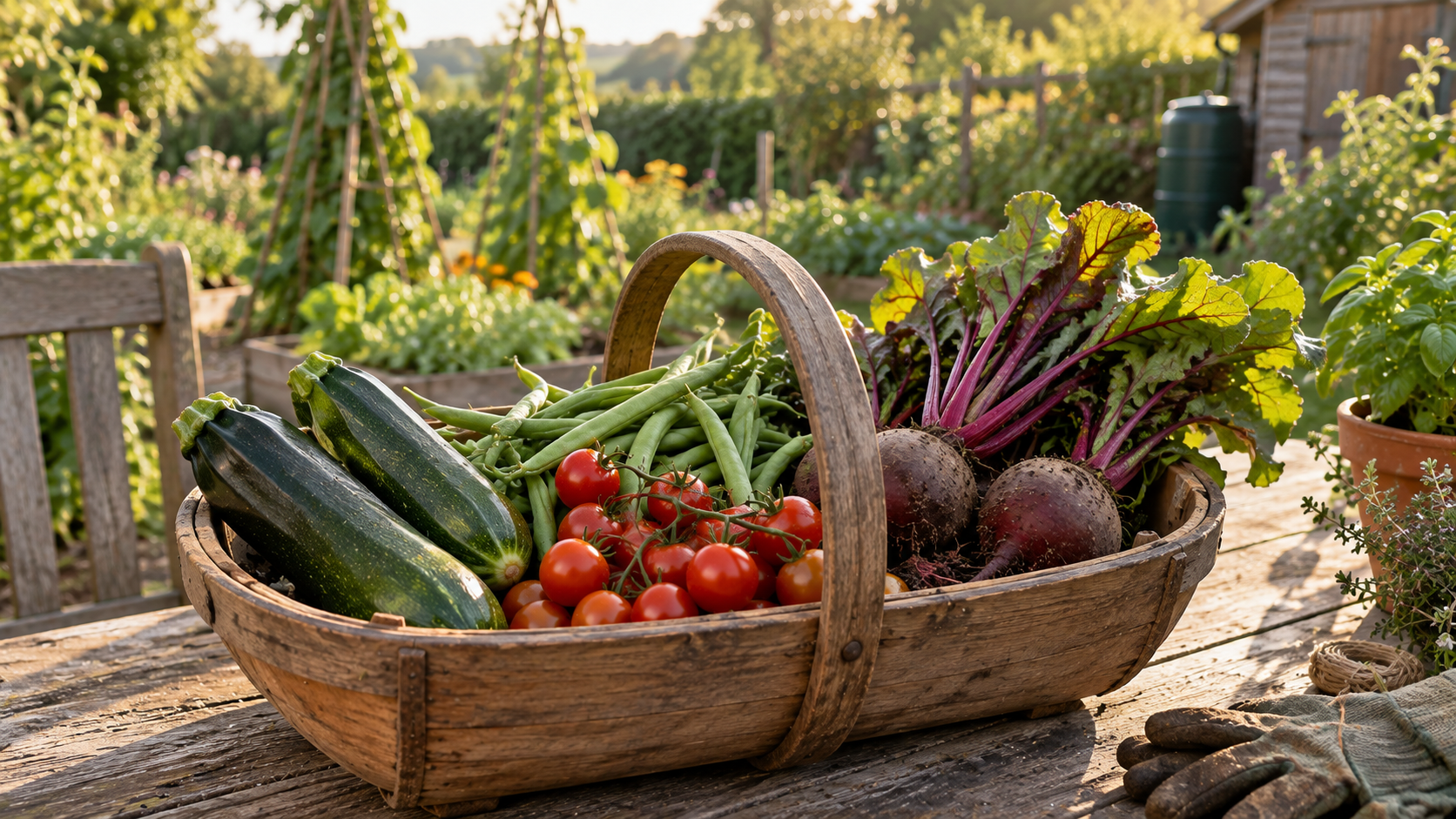
Grow Your Own Food on a Budget: A UK Beginner’s Guide to Getting the Best Return
As an Amazon Associate I earn from qualifying purchases and sometimes recommend products from other sellers at no extra cost you. For more details see my disclosure policy and privacy policy.
Growing your own food is one of the simplest, cheapest ways to make your garden more sustainable — and it doesn’t need an allotment, a greenhouse, or even a proper vegetable bed. A few pots on a patio, a sunny windowsill, or one small raised bed can produce a genuinely useful amount of food, often for less than the price of a single supermarket shop.
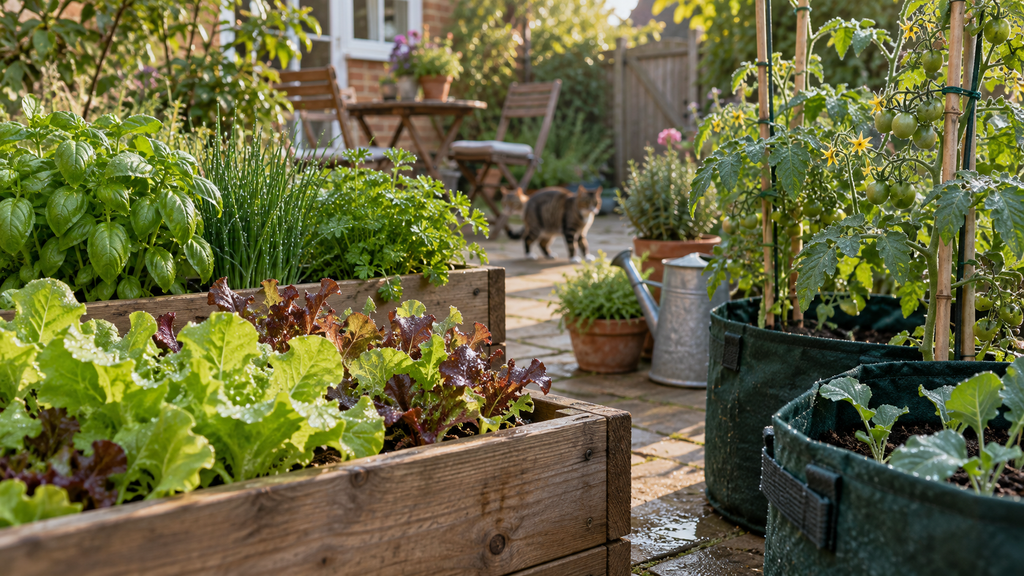
I started with three pots of herbs and a grow bag of salad leaves on a rented patio, and within a season I’d worked out which crops actually earned their space. That’s the real skill in budget growing: not doing everything, but doing the few things that pay you back the most.
In short: you don’t need a big garden or a big budget to grow real food — you need a handful of the right crops and a bit of patience.
If you’ve never grown anything edible before, don’t worry. Start small, choose crops with a genuinely good return, and build from there.
Free download
Get the Non‑Toxic Home Audit Checklist
A room‑by‑room checklist to help you spot what’s worth swapping in your home — and what’s not worth worrying about. Join the fortnightly newsletter and it’s yours.
No spam, unsubscribe any time.
Start With the Crops That Pay for Themselves
One of the biggest beginner mistakes is trying to grow too much, too soon. A handful of reliable, cost-effective crops will teach you most of what you need — and save you the most money.
Good-value choices for UK beginners include:
- Salad leaves
- Radishes
- Peas
- Runner or French beans
- Beetroot
- Herbs
- Courgettes
- Cherry tomatoes
- Strawberries
- Chard
Carrots can also be worthwhile, though they prefer deep, stone-free soil to do well.
Before buying seeds, think about what your household actually eats — there’s little point growing a glut of beetroot if nobody in the house will touch it. Herbs, salad leaves, tomatoes and soft fruit tend to be the best value, since they’re relatively expensive to buy but productive to grow at home. For a fuller cost comparison, see our guide to the 10 most cost-effective vegetables to grow in a UK garden.
Quotable takeaway: the crops with the best return are the ones that are expensive to buy and easy to grow — think herbs, salad leaves and soft fruit before anything exotic.
Start Small and Scale Up
A budget vegetable garden doesn’t need to be large to be worthwhile.
If you’re new to growing, begin with three to five crops rather than trying to become self-sufficient in your first season. A pot of herbs, a container of salad leaves, some peas on a support, and one or two tomato plants is plenty to start with.
Once you’ve learned how much watering, feeding and maintenance they need, you can expand gradually — and avoid wasting money on seeds and equipment for crops you won’t keep up with.
Make the Most of a Small Garden
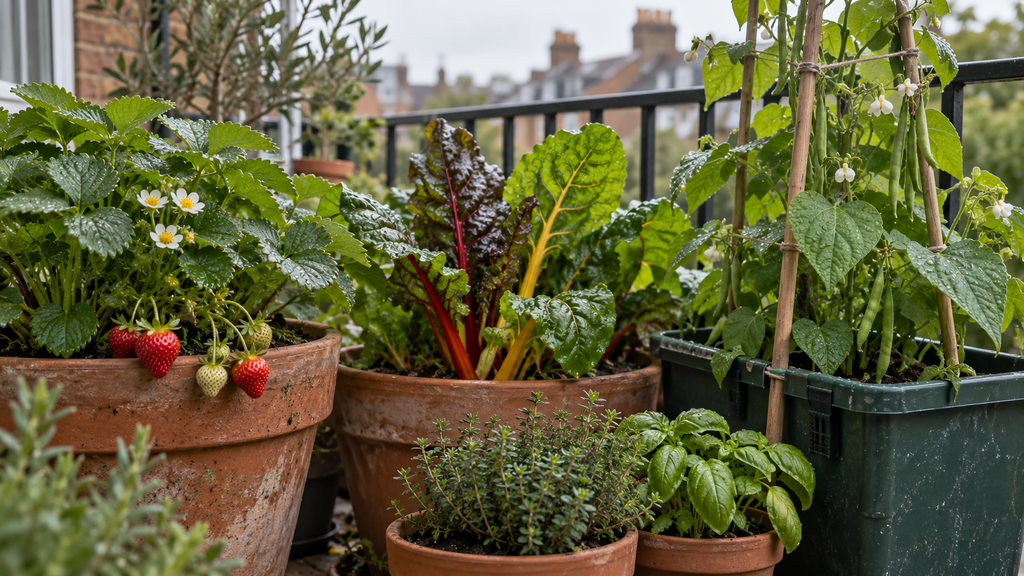
Limited space doesn’t have to limit your harvest — or your savings.
Grow Upwards
Peas, beans and some cucumbers can be trained vertically using canes, trellises or netting, freeing up ground space for smaller crops. It’s one of the cheapest ways to roughly double what a small bed can produce.
Grow in Containers
Pots, tubs, window boxes and grow bags can turn a patio, balcony or paved yard into a genuinely productive growing space — ideal if you’re renting or have poor garden soil. Salad leaves, herbs, strawberries, radishes and tomatoes all do well in containers. For a full breakdown of what works best where space is tight, see container veg growing for renters and flat dwellers.
Choose containers with drainage holes, and remember that larger pots dry out more slowly than small ones — a small saving in watering effort that adds up over a summer.
Try Intercropping
Different crops can often share the same space. Quick-growing radishes or salad leaves can be planted between slower crops and harvested before the main plant needs the room — effectively getting two harvests from one patch. Our guide to companion planting: grow more by spending less covers which combinations genuinely work.
Sow Little and Often
Rather than sowing a whole packet of salad or radish seed in one go, sow a small amount every couple of weeks through the growing season. This succession sowing gives a steadier harvest and avoids the classic beginner problem of a glut you can’t eat in time.
Quotable takeaway: vertical growing, containers, intercropping and succession sowing are the four cheapest ways to get more food from less space.
Prepare Your Soil (Without Spending Much)
Healthy plants start with healthy soil, and building it doesn’t have to cost anything.
Before planting, clear persistent weeds and work in well-rotted homemade compost where you can — see our guide to composting for beginners if you’re not already turning kitchen and garden waste into free soil improver. Compost improves soil structure while returning nutrients to the ground.
You don’t need to dig the whole bed every year. Spreading compost on the surface and letting worms work it in is a gentler, lower-effort approach that suits most small UK gardens.
Mulching bare soil also helps retain moisture, suppress weeds and protect the surface — cutting down on both watering and weeding time.
Do You Need to Test Your Soil?
For most small gardens, elaborate soil testing isn’t necessary before growing a few vegetables. A simple pH testing kit is inexpensive and worth using if plants repeatedly struggle. Most vegetables are happy in soil that’s roughly neutral to slightly acidic, though individual crops vary. Rather than buying fertiliser as standard, watch how your plants perform and feed only where it’s actually needed.
Growing Food in Containers
Containers are one of the lowest-cost, lowest-risk ways to start growing your own food — particularly useful if you rent, have poor soil, or only have a patio or balcony.
Choose a container large enough for the crop, make sure water can drain away, and fill it with a peat-free growing medium.
Good container crops include:
- Tomatoes
- Strawberries
- Salad leaves
- Radishes
- Herbs
- Chard
- Beetroot
- Peas
- Dwarf beans
- Chillies
Some varieties are bred specifically for compact spaces — check seed packets and plant labels when choosing what to grow. If you’re planning what to start indoors versus direct-sow, our guide on starting seeds indoors: the cheapest way to get a full growing season is worth reading first.
The main downside of containers is that they dry out faster than garden soil — in hot weather, some may need checking daily.
Planting Your Crops
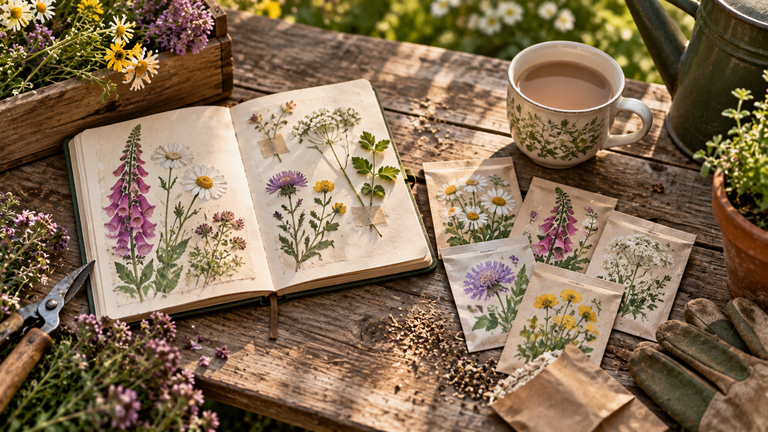
Seed packets carry more useful information than most people realise: sowing period, depth and spacing are all on the back for a reason.
Some crops, including tomatoes and courgettes, do best started indoors before being planted out once it’s warmer. Others — peas, carrots, radishes — can usually be sown directly where they’ll grow, at the right time of year.
Try to avoid sowing everything the moment the first sunny weekend of spring arrives. Cold soil and a late UK frost can undo weeks of head start. Gardening on a budget is often about patience rather than speed — losing a tray of seedlings to frost is the most expensive mistake a beginner can make.
Water Wisely (and for Free Where Possible)
Vegetables need water to grow well, but more isn’t automatically better. Watering thoroughly but less often — so moisture reaches further into the soil — is more effective than a light daily sprinkle, and uses less water overall.
Where possible, direct water at the soil around the plant rather than the leaves, and water in the morning or evening to reduce evaporation.
Collect Rainwater
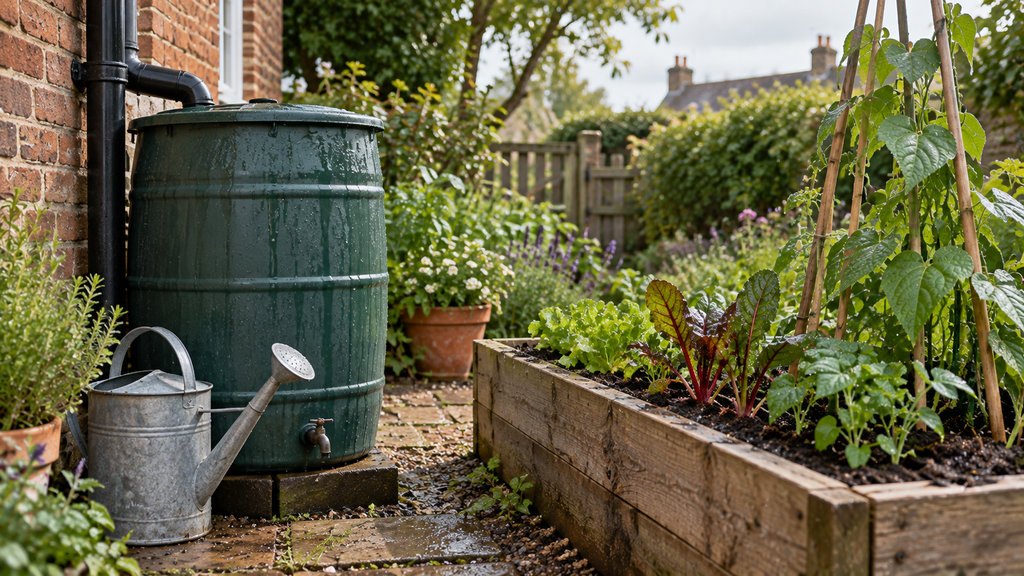
Installing a water butt connected to a downpipe is one of the simplest ways to grow food more cheaply and sustainably — collecting rainwater from your roof for free use in the garden. During prolonged dry spells stored rainwater can run low, so prioritise your thirstiest crops if you do need to switch to mains water.
Don’t Forget Mulch
Mulching is one of the easiest ways to cut how much watering your garden needs. A layer of suitable organic mulch slows evaporation, suppresses weeds, protects the soil and adds organic matter as it breaks down — all for the cost of some compost or leaf mould you may already have.
Feed Plants Only When They Need It
Plants in garden soil often get much of what they need from soil enriched with compost. Container plants are different — their roots are confined to a small amount of growing medium, so nutrients run out faster. Hungry, fruiting plants like tomatoes usually need extra feeding through the season.
Follow the guidance for the specific crop rather than assuming more feed means a better harvest — over-feeding wastes money and can do more harm than good.
Take an Eco-Friendly, Low-Cost Approach to Pests
Finding a few insects on your vegetables doesn’t mean you’ve failed — a healthy garden contains insects, and many of them are on your side.
Instead of reaching straight for pesticides, check your plants regularly and deal with problems early. Depending on what you’re dealing with, that might mean removing affected leaves, hand-picking pests, using a cheap mesh barrier, or simply encouraging natural predators. Ladybirds, hoverflies, lacewings, frogs, toads and garden birds all help keep pest numbers down for free. See our guide to non-toxic pest control for the garden for safer options if you do need to intervene.
Growing a few flowers alongside your edible crops also brings in pollinators and predatory insects — and costs very little.
Be careful with homemade remedies too: “natural” doesn’t automatically mean harmless to plants or to the insects you actually want in the garden. Identify the problem first, and start with the least disruptive fix.
Encourage Wildlife Alongside Your Food
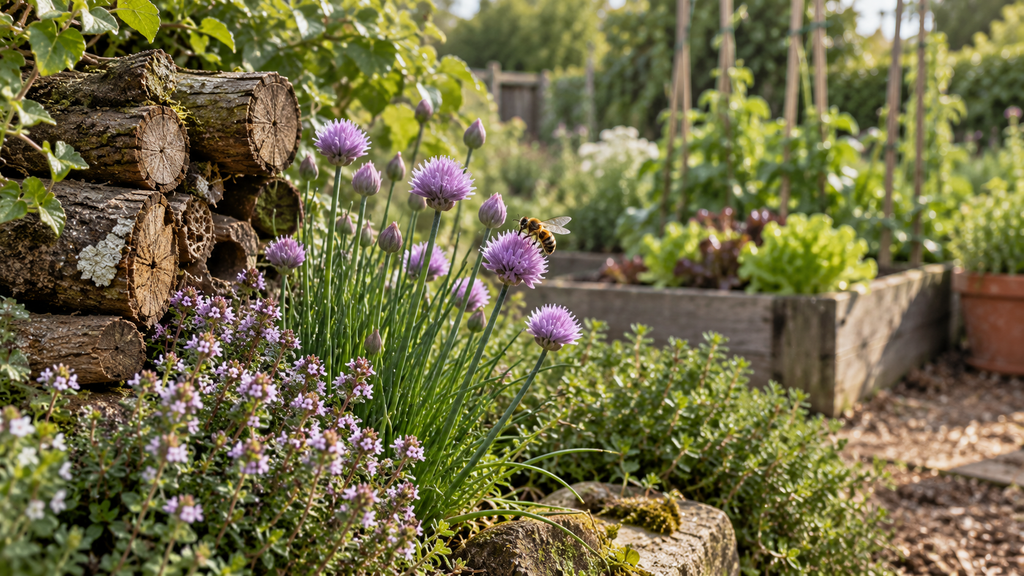
A productive food garden and a wildlife-friendly one don’t have to be separate spaces — in fact, the two support each other. Flowers attract pollinators, while a log pile, a small pond or an area of longer grass gives other wildlife somewhere to shelter. If you’d like to build this in from the start, how to build a hedgehog highway and wildlife pond in a small garden: how to do it affordably are both budget-friendly places to begin.
Letting a few herbs flower — chives and thyme especially — is another low-cost way to feed pollinators while still harvesting most of the plant.
Harvest Regularly — and Don’t Let It Go to Waste
Harvesting is the reward for all that watering and waiting, and many crops become more productive the more regularly you pick them — beans, courgettes and salad leaves especially.
Check your plants often through summer, since vegetables can go from “nearly ready” to “enormous” in a matter of days.
Avoid Turning Your Harvest Into Food Waste
The classic budget-growing irony is ending up with far more of something than you can use — five courgette plants will teach you this quickly. Plan ahead for gluts: extra produce can be frozen, pickled, fermented, turned into sauces, or shared with neighbours. Our full guide to preserving the harvest: freezing, pickling, and fermentation basics covers exactly how.
You can also plan next year’s growing around what you actually ate. If a crop keeps ending up on the compost heap, grow less of it and use the space for something with a better return.
Keep Composting
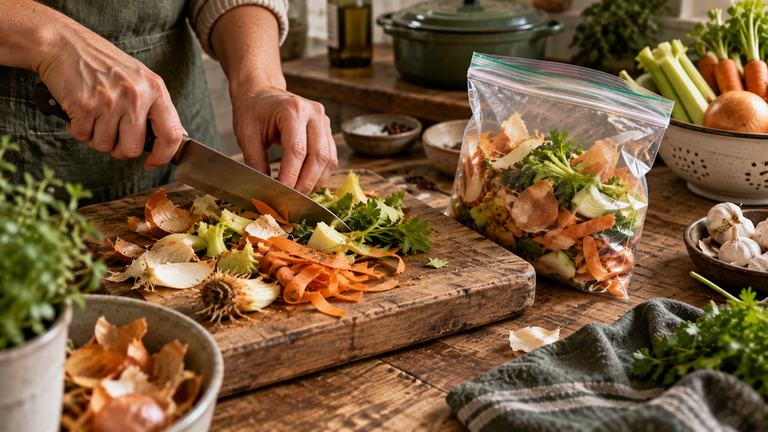
Not everything from the vegetable garden needs to end up on your plate. Healthy plant trimmings and vegetable scraps can go straight into your home composting system, eventually becoming valuable, free material for next year’s beds — see composting for beginners for a full walkthrough.
Grow → Eat → Compost → Feed the soil → Grow again — a cycle that costs almost nothing once it’s established. Avoid composting obviously diseased material, in case the disease survives the process.
If you’d like to close the loop even further, how to save your own seeds and cut your growing costs to almost nothing is the natural next step once you’ve had a good harvest.
Learn From Every Growing Season
No vegetable garden works perfectly, and no two UK growing seasons behave the same way. Some years bring more courgettes than you know what to do with; other years the slugs get to the lettuce first.
Keep simple notes on what you planted, when, and how it performed. Over a few seasons you’ll build up genuinely useful local knowledge — which corner gets the most sun, where frost lingers longest, which containers dry out fastest, and which crops consistently give you the best return for the effort.
A Simple Beginner Growing Plan
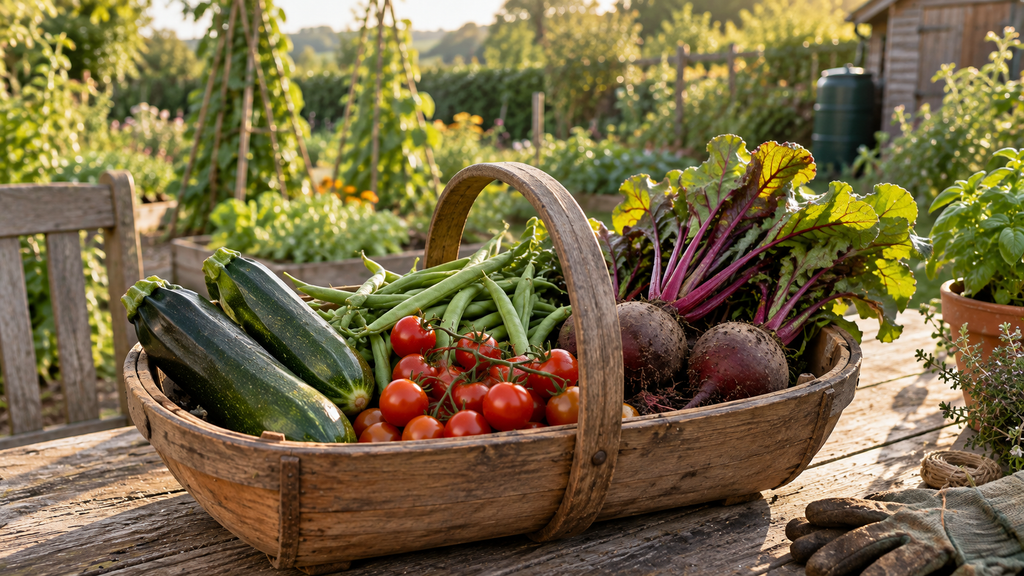
If you’re not sure where to start, keep your first budget growing season simple:
- Salad leaves in a window box or shallow container
- Herbs in pots near the kitchen door
- Peas or beans grown vertically against a support
- Cherry tomatoes in a sunny, sheltered spot
- Radishes or beetroot in a container or small bed
Five crops is enough to teach you sowing, watering, feeding, harvesting and basic pest management — without turning gardening into another full-time job, or your budget growing plan into an expensive one.
The Bottom Line
Growing your own food on a budget doesn’t mean digging up the whole garden or trying to become self-sufficient overnight. Start with a few crops you’ll actually eat, make the most of whatever space you have, build soil with free compost, collect rainwater, and let a bit of wildlife move in alongside your vegetables.
Most importantly, don’t expect to get it all right in the first year — every season you grow teaches you something that saves you money, time or disappointment the next time round. And there’s still nothing quite like walking outside, picking something you grew yourself, and carrying it straight into the kitchen.