
8 Simple Energy-Saving Swaps for a More Eco-Friendly Home
As an Amazon Associate I earn from qualifying purchases and sometimes recommend products from other sellers at no extra cost you. For more details see my disclosure policy and privacy policy.

Looking for energy saving tips that actually make a difference without turning your life upside down? The good news is that the most effective changes are usually the smallest ones. I’ve worked through most of the swaps on this list in my own home over the past few years, and none of them required a big upfront spend or a complete lifestyle overhaul — just a bit of habit-shifting.
Below are eight changes that genuinely cut energy use and household waste, starting with the easiest wins.
Quick takeaway: you don’t need to overhaul your whole home to live more sustainably — a handful of small, consistent swaps add up to real savings on your energy bill.
1. Swap to LED Lightbulbs
Swapping incandescent bulbs for LEDs is one of the simplest energy saving tips there is, and it pays for itself quickly. LEDs use a fraction of the electricity of old-style bulbs and last many times longer, so you’re not just cutting your energy bill — you’re also buying replacement bulbs far less often. They now come in a wide range of brightness levels and warm-to-cool tones, so there’s no need to sacrifice the atmosphere of a room to save power.
Free download
Get the Non‑Toxic Home Audit Checklist
A room‑by‑room checklist to help you spot what’s worth swapping in your home — and what’s not worth worrying about. Join the fortnightly newsletter and it’s yours.
No spam, unsubscribe any time.
The Non-Toxic Home Guide: Room-by-Room Swaps for UK Households
2. Trade Paper Towels for Rags
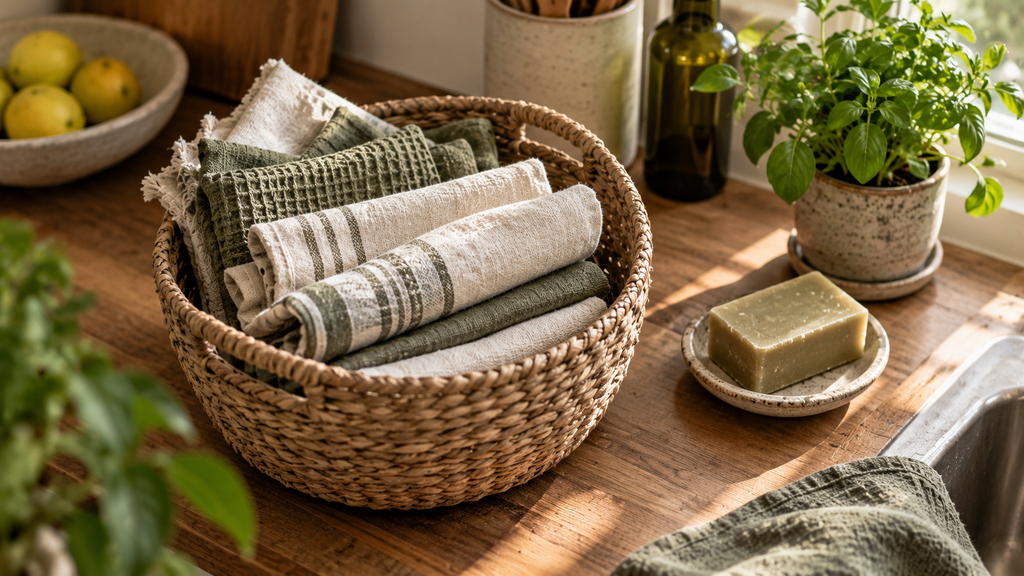
Switching to rags instead of paper towels is a small change that adds up over a year of household waste. Cut up old towels or worn-out t-shirts, keep a basket of them under the sink, and you’ll notice how quickly the paper towel roll stops being a weekly purchase.
3. Line-Dry Your Clothes
Tumble dryers are one of the biggest energy draws in a typical home, so line-drying where you can is one of the highest-impact swaps on this list. It costs nothing, needs no equipment beyond a line or airer, and in most of the UK there are plenty of months where clothes will dry outdoors given half a chance. Even drying indoors on an airer instead of running the dryer makes a noticeable dent in your electricity bill.
4. Improve Your Window Treatments
Good curtains, blinds or shades do more than dress a window — they regulate temperature. Heavier curtains keep heat in during colder months and block out sun in summer, which means your heating and cooling systems don’t have to work as hard. If your windows are draughty, this is often a cheaper first step than full replacement glazing.

5. Wash Clothes in Cold Water
Most of the energy a washing machine uses goes towards heating the water, so switching to a cold or 30°C cycle is one of the easiest energy saving tips to put into practice today. It’s also gentler on fabric — colours hold and clothes last longer without the fading and shrinkage that hot washes can cause.
6. Bring in Houseplants
Houseplants add life to a room, but they also help filter indoor air. If you’re building a more eco-conscious home, plants are a low-cost, low-effort addition that does double duty as decor and air quality support.

Air Quality at Home: Indoor Plants, Ventilation, and Avoiding Hidden Toxins
7. Do a Proper Spring Clean-Out
Clearing out things you no longer need and passing them on is one of the most overlooked eco-friendly habits. Rather than binning anything still in good condition, local charity shops and community groups will usually take clothing, furniture, toys and household items — keeping them in use rather than in landfill.
8. Fit a Low-Flow Showerhead
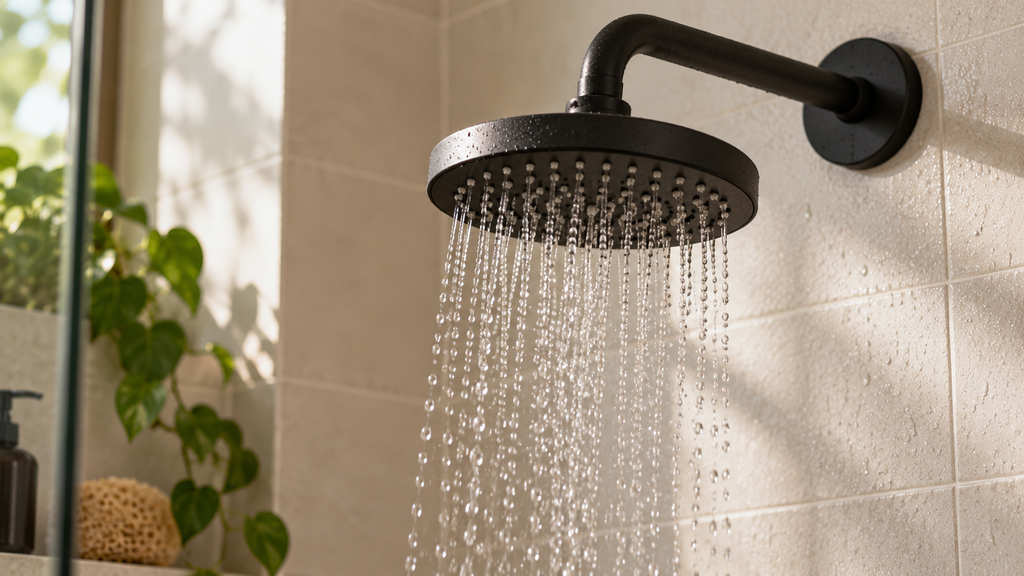
A low-flow showerhead is a small, one-off purchase that keeps paying you back. It significantly cuts water use per shower without making the shower itself feel weaker, which means lower water bills and less strain on hot water heating.
Time To Make Changes
None of these changes require a big budget or a total lifestyle overhaul. Pick two or three from this list, get them into your routine, and build from there — small, consistent swaps are what actually stick, and they add up to a genuinely lower energy bill over a year.