How to Calculate Meal Portion Sizes (and Cut Down on Food Waste)
As an Amazon Associate I earn from qualifying purchases and sometimes recommend products from other sellers at no extra cost you. For more details see my disclosure policy and privacy policy.
Food waste is one of the quiet strains we put on the environment — and one of the easiest to fix at home. A lot of it comes down to one simple habit: portioning meals accurately before you cook, rather than guessing and hoping for the best.
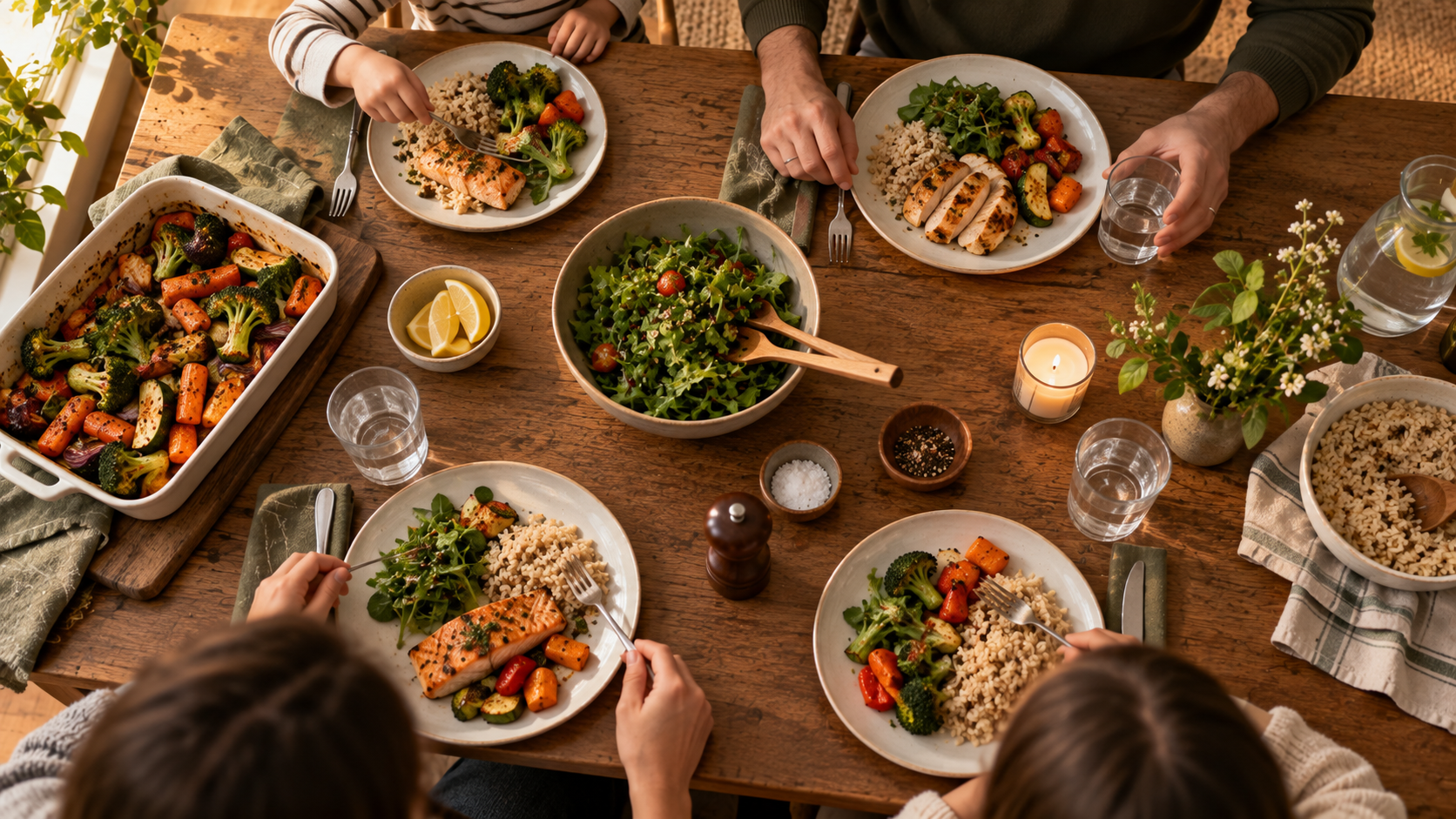
Getting your meal portion sizes right does two things at once. It means less food ends up in the bin, and it means your weekly shop stretches further. Here’s how to actually work it out, room by room, meal by meal.
Start With What’s on the Plate
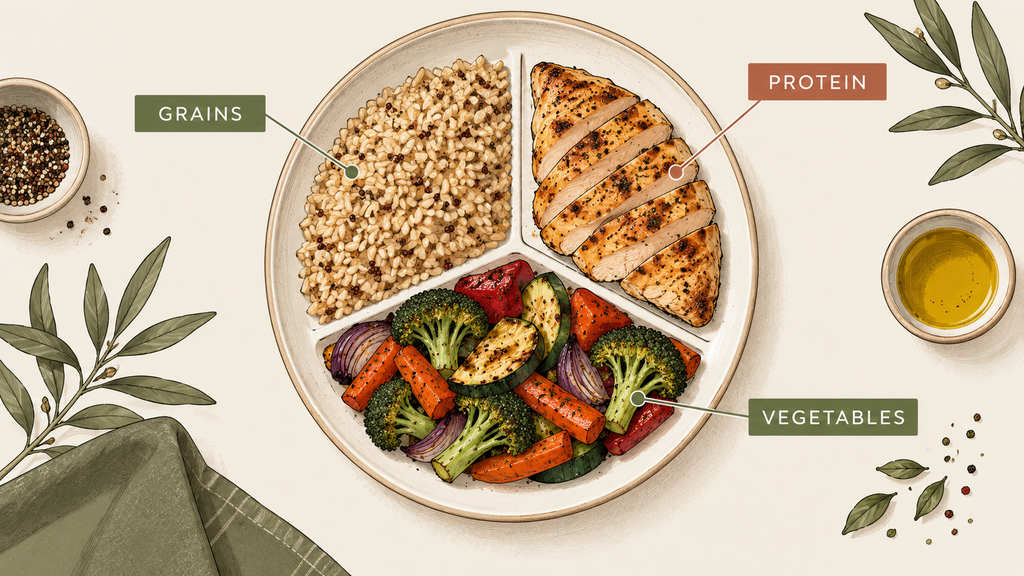
Your ideal portion size isn’t one-size-fits-all — it depends on what you’re serving. A carb-heavy plate (rice, potatoes, pasta, bread) needs smaller portions than a plate built around vegetables and lean protein, simply because carbohydrates are more calorie-dense and easier to over-serve without noticing.
A good starting framework:
Free download
Get the Non‑Toxic Home Audit Checklist
A room‑by‑room checklist to help you spot what’s worth swapping in your home — and what’s not worth worrying about. Join the fortnightly newsletter and it’s yours.
No spam, unsubscribe any time.
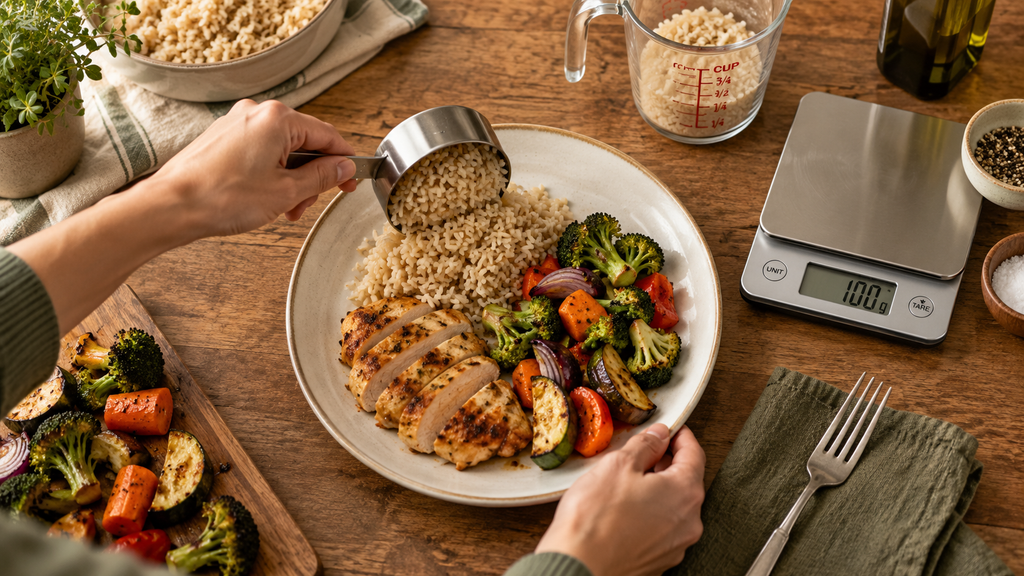
- Carbohydrates: roughly a cupped handful per person
- Protein: about the size and thickness of a palm
- Vegetables: as much as fits comfortably on a third of the plate
This isn’t about restriction — it’s about reducing household food waste by matching what you cook to what will actually get eaten.
Portion for the Person, Not Just the Plate
Who you’re feeding matters as much as what you’re serving. Children typically need smaller portions than adults, and appetites shift day to day depending on activity levels, age, and even the season. Rather than serving everyone an identical plate, adjust portions per person — it’s a small change that adds up to a meaningful drop in leftovers over a month.
This is especially useful groundwork if you’re also trying grow your own food on a budget — knowing exactly how much you need per person means you can plan harvests around actual consumption, not guesswork.
Measure, Don’t Guess
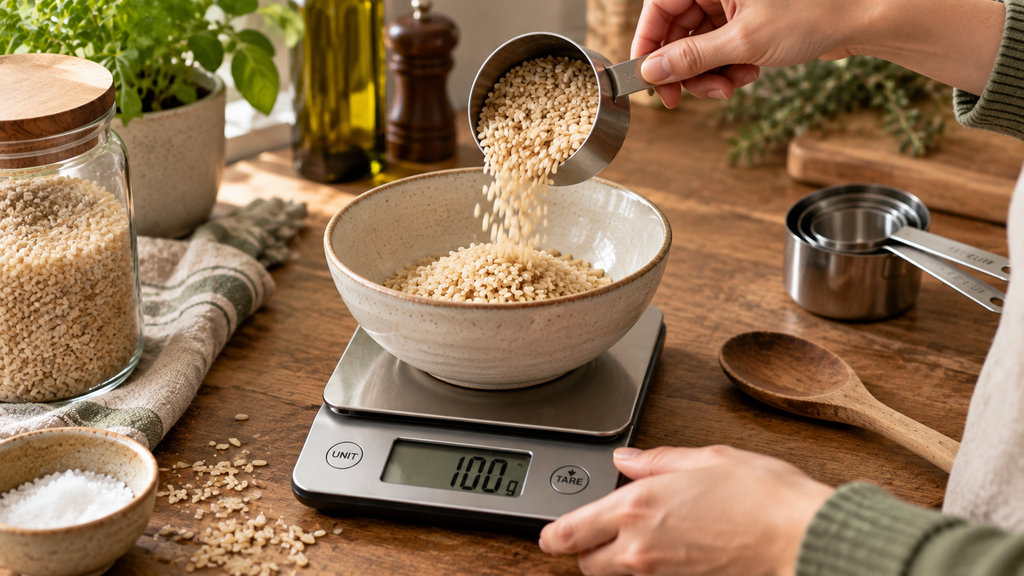
Eyeballing portions is where most over-serving happens. A few inexpensive tools make this far more accurate:
- Measuring cups — quick visual reference for grains, rice, and pasta
- Kitchen scales — the most accurate way to portion protein and dry goods
- Other portioning tools — scoops, ladles, and divided containers that take the guesswork out entirely
Once you’ve measured a portion two or three times, most people find they can eyeball it accurately going forward — the tools are a short-term investment for a long-term habit.
When You Do Have Leftovers
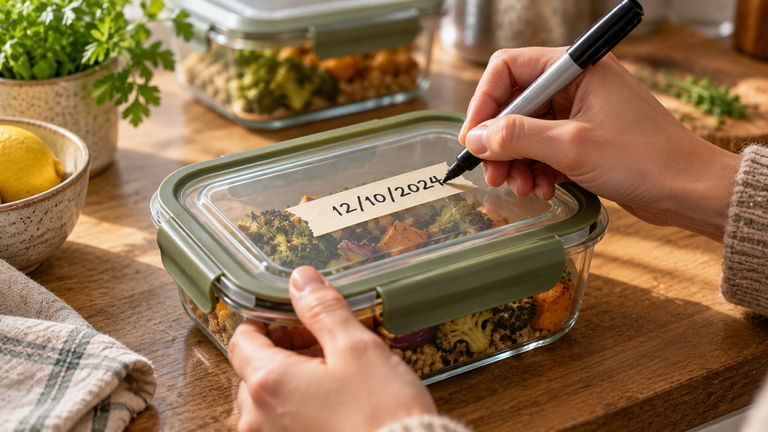
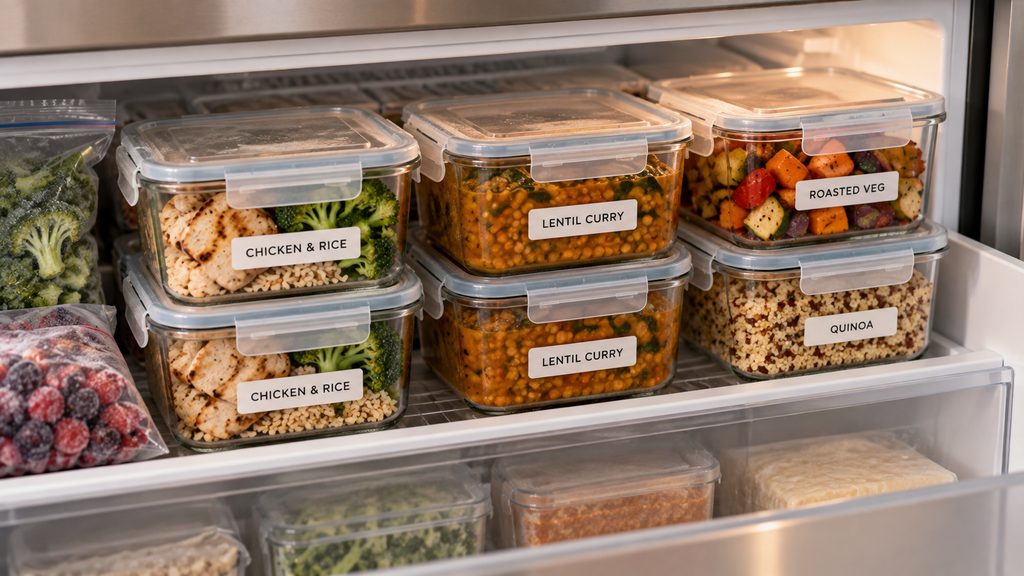
Even with careful portioning, leftovers happen — and that’s fine, as long as they don’t quietly go off at the back of the fridge. If you don’t think something will be eaten within a day or two, freeze it in freezer-safe containers straightaway. Label with the date, and you’ve turned a potential food-waste moment into a ready-made meal for a busier week.
This pairs naturally with preserving the harvest techniques if you’re growing your own — the same freezing principles apply whether it’s dinner leftovers or a glut of garden vegetables.
The Takeaway
Portioning meals accurately is one of the simplest, lowest-effort changes you can make for a non-toxic home and a lower-waste kitchen. Match your portions to the meal, the person, and use proper measuring tools — and you’ll find leftovers become the exception rather than the rule.