What Can You Legally Forage in the UK? (Rights of Way, Land Access Rules)
As an Amazon Associate I earn from qualifying purchases and sometimes recommend products from other sellers at no extra cost you. For more details see my disclosure policy and privacy policy.
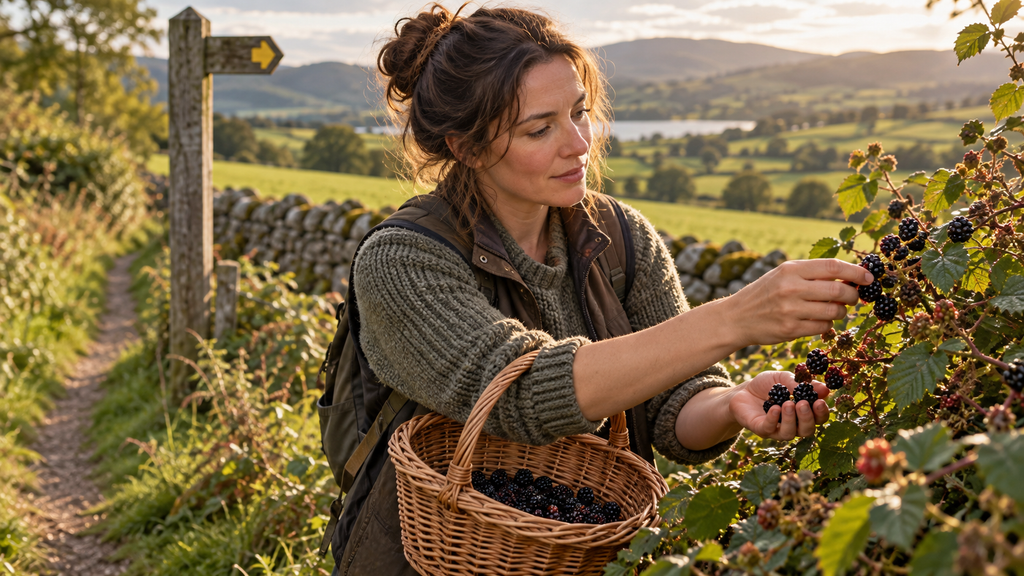
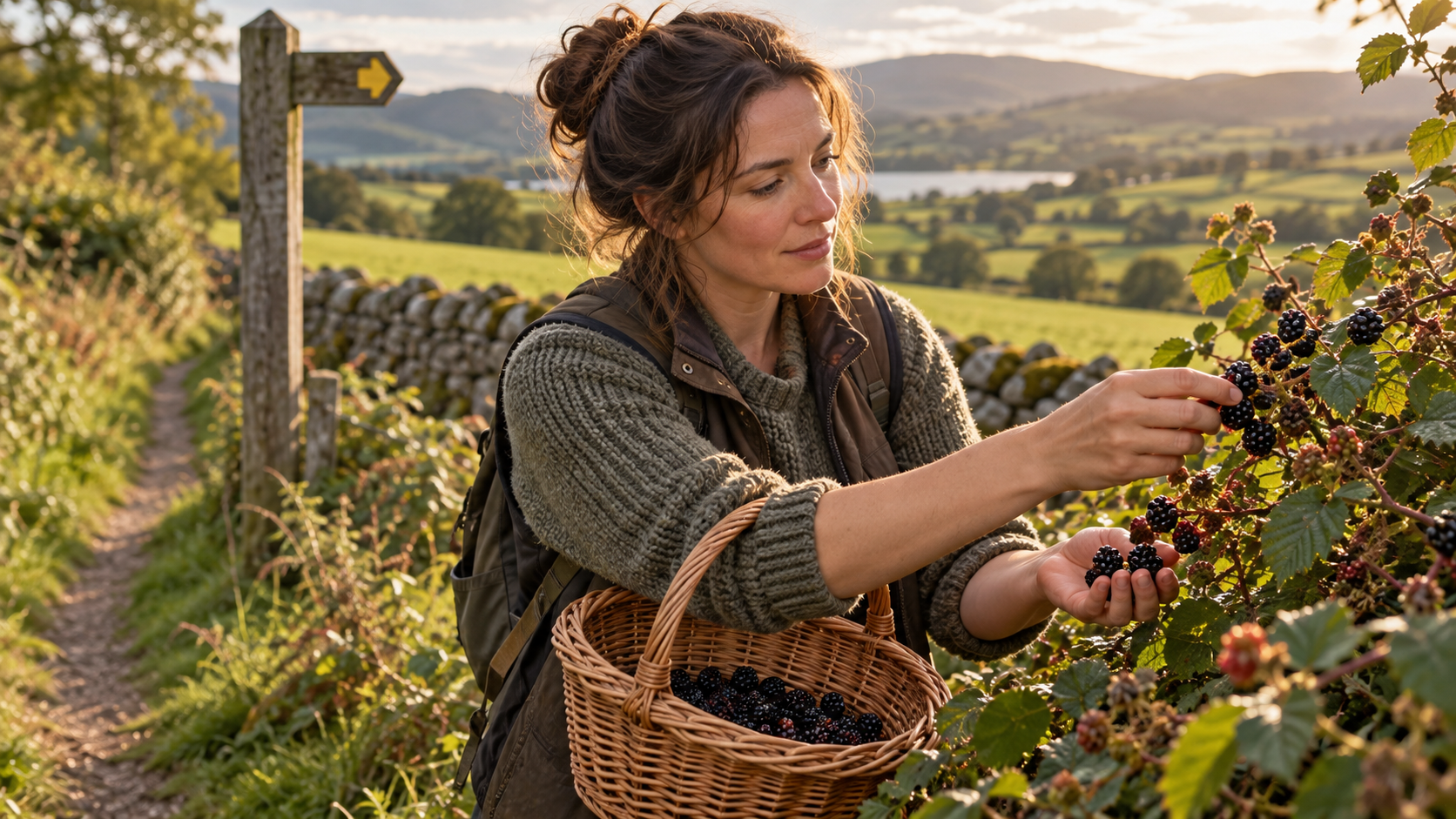
The first time I filled a bag with blackberries from a hedge beside a footpath, a thought crept in halfway home: was I actually allowed to do that? The hedge clearly belonged to someone. The path ran along the edge of a farmer’s field. Nobody had told me I could help myself.
If you’ve had the same moment, you’re in good company. UK foraging law is one of the most misquoted subjects in the whole wild food world. Some people will tell you foraging is completely free for all. Others insist it’s illegal everywhere. The truth sits in between, and it’s more reassuring than you might expect.
In this guide I’ll walk you through what you can legally forage in the UK, where you’re allowed to do it, and the handful of rules that genuinely matter. If you’re brand new to wild food, start with my beginner’s guide to foraging in the UK for what to pick and when, then come back here for the legal side.
A quick note before we start: I’m a forager and blogger, not a lawyer. This is a plain-English summary to help you forage responsibly, not legal advice. If you’re planning anything commercial, or you’re unsure about a specific site, check with the landowner or a qualified professional.
Free download
Get the Non‑Toxic Home Audit Checklist
A room‑by‑room checklist to help you spot what’s worth swapping in your home — and what’s not worth worrying about. Join the fortnightly newsletter and it’s yours.
No spam, unsubscribe any time.
The short answer: what can you legally forage in the UK?
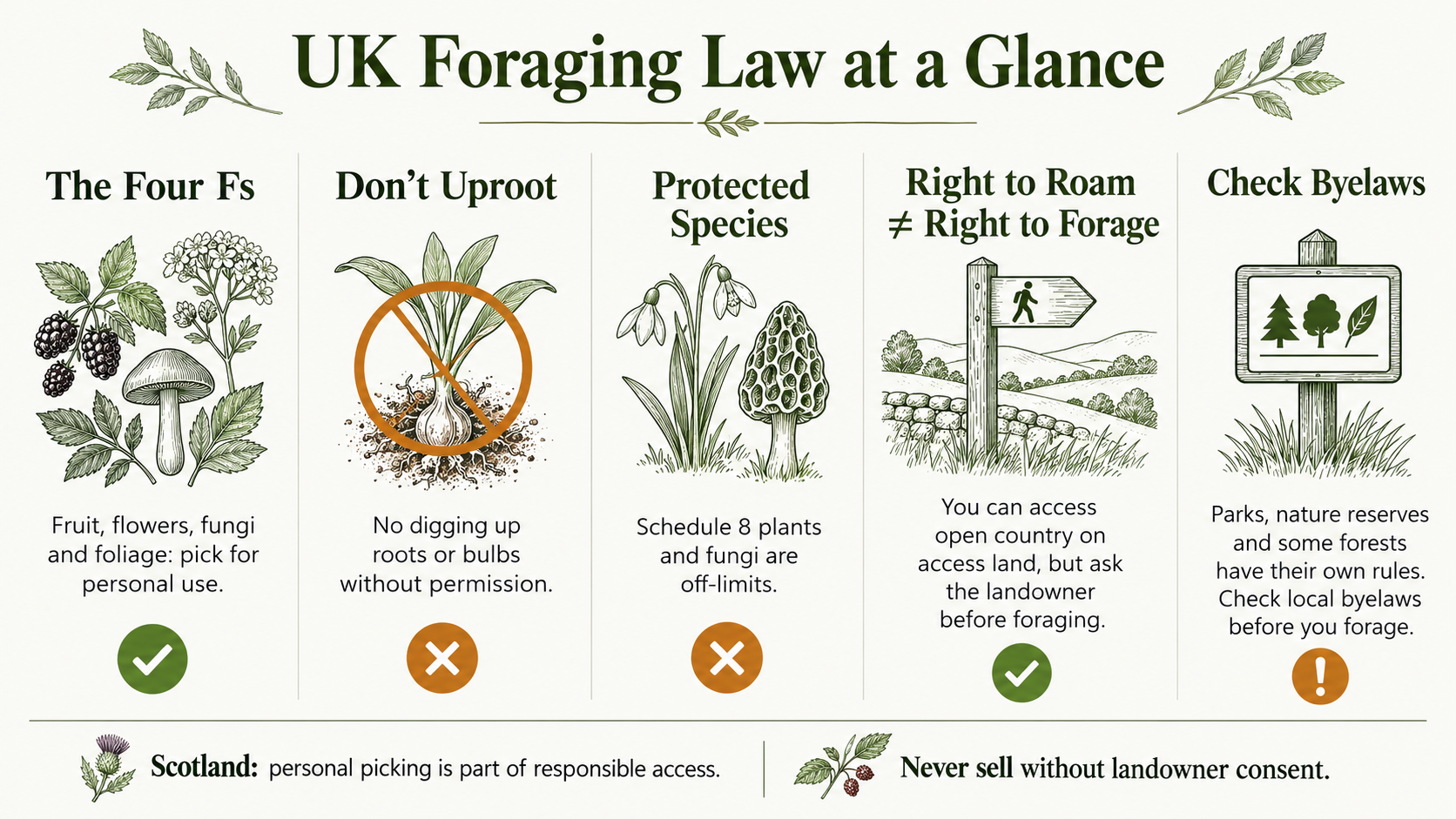
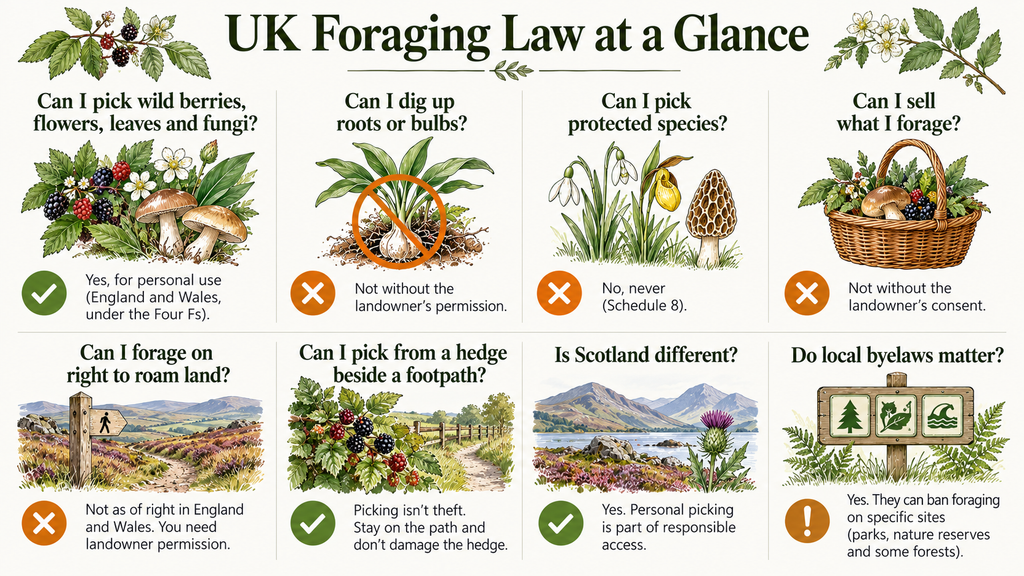
In England and Wales, you can generally pick wild fruit, flowers, foliage and fungi for your own personal use without committing theft. This is often called the “Four Fs” rule. However, you must not uproot any wild plant without the landowner’s permission. You must not touch specially protected species, and you must not pick for sale without consent. Access rules, meaning where you’re allowed to be, are a separate matter entirely.
That last point is the one most people miss. Being allowed to pick something and being allowed to stand where it grows are two different questions, covered by different laws.
The three laws every UK forager should know
1. The Theft Act 1968: the “Four Fs”
This is the foundation of UK foraging law in England and Wales. Section 4(3) of the Theft Act says that picking mushrooms, or flowers, fruit or foliage from a plant growing wild on any land, is not stealing. That holds even though the land isn’t yours, as long as you’re not doing it for reward, sale or another commercial purpose.
“Mushroom” includes any fungus, and “plant” includes shrubs and trees. So blackberries, elderflowers, wild garlic leaves, hazelnuts, sloes and chanterelles are all covered, provided they’re growing wild and you’re picking for personal use.
There are two important limits:
- Wild means wild. Apples in an orchard, a farmer’s crop, or plants in someone’s garden are cultivated, so taking them without permission is theft. A self-seeded apple tree in a hedgerow is a different matter from a planted orchard.
- Personal use means personal use. Picking a sensible quantity for your own kitchen is fine. Filling crates for a restaurant or a market stall is not, unless the landowner has agreed. Very large quantities can also be treated as evidence of commercial intent.
2. The Wildlife and Countryside Act 1981: no uprooting, no protected species
This Act adds two further rules that apply across Great Britain.
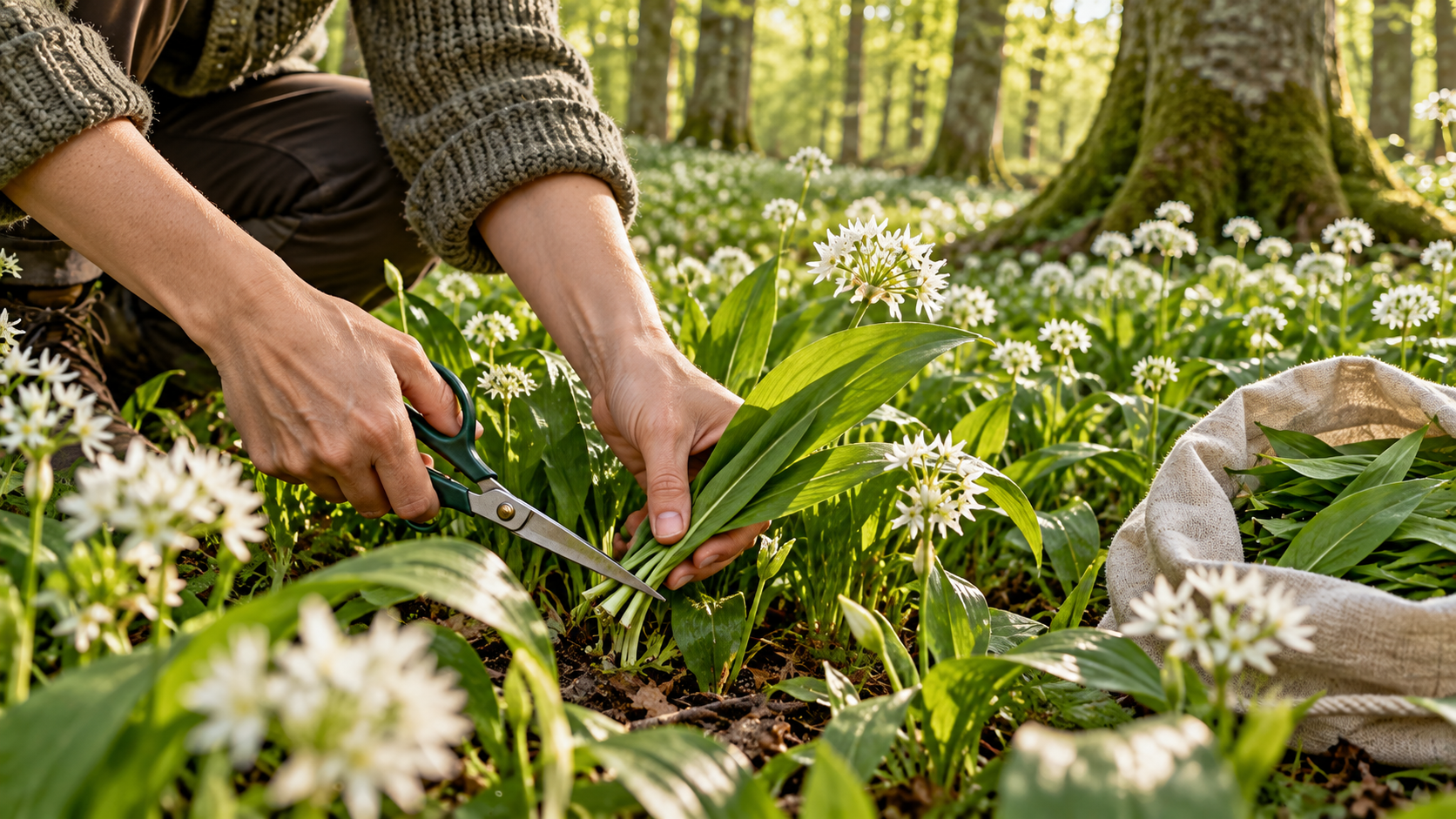
First, it is an offence to uproot any wild plant without the landowner’s permission. Picking wild garlic leaves is fine, but digging up the bulbs is not. The same goes for pulling up horseradish roots or digging out pignut tubers on land that isn’t yours. The Theft Act protects picking, not digging.
Second, Schedule 8 lists specially protected plants and fungi that nobody may pick, uproot or destroy, not even the landowner. Most are rare species you’re unlikely to stumble across. A few catch foragers out, though. The bearded tooth fungus (often sold as lion’s mane) is protected in the wild, as is the royal bolete. The native bluebell is protected against sale, and uprooting it is illegal.
3. The Countryside and Rights of Way Act 2000: the right to roam catch
The CROW Act gave us the “right to roam” across mapped open access land in England and Wales, meaning mountain, moor, heath, down and registered common land. It’s a wonderful thing for walkers.
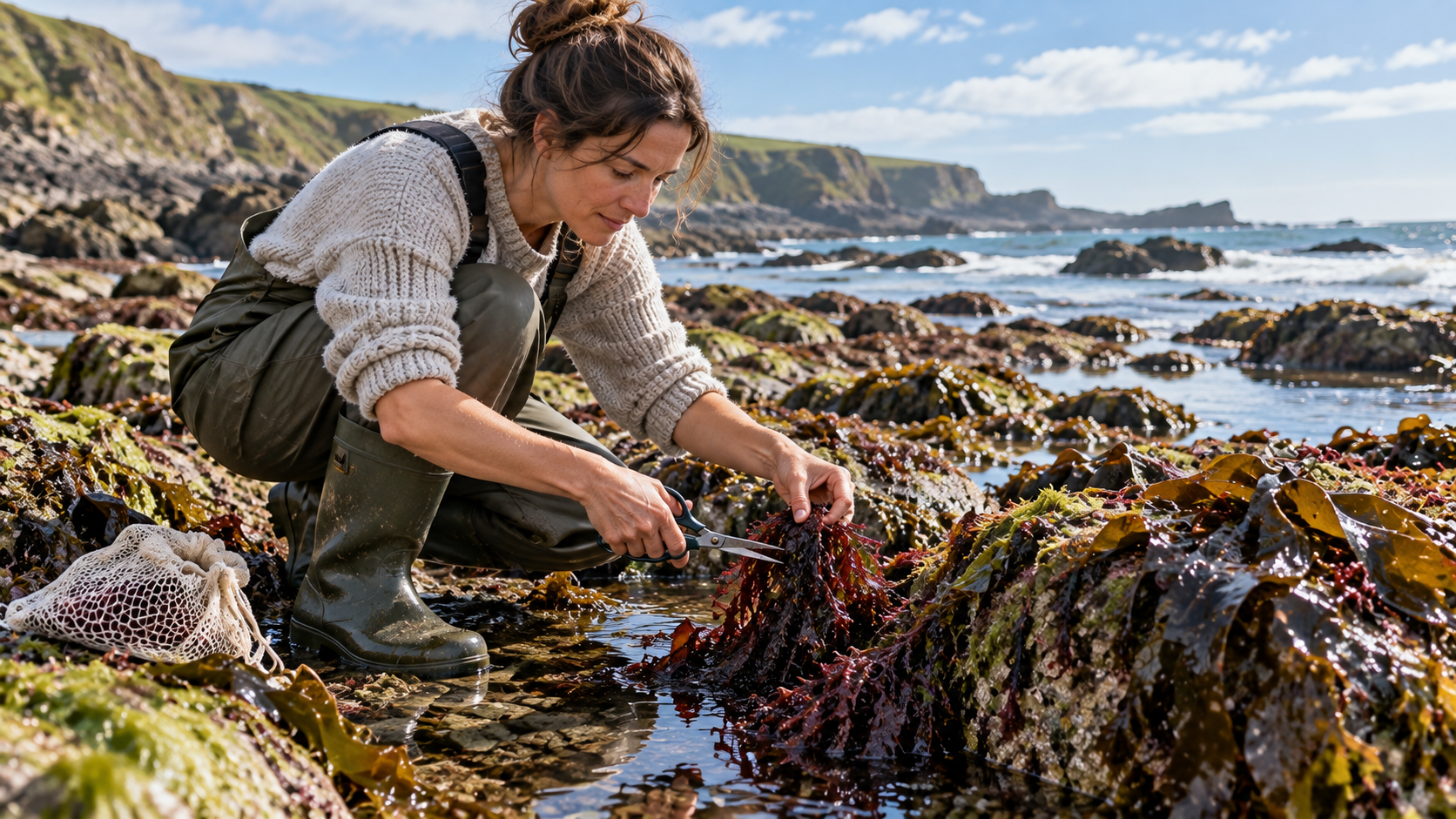
But here’s the catch that surprises most people: the right to roam does not include the right to forage. Schedule 2 of the Act lists activities that aren’t covered by your access rights, and it includes intentionally removing or damaging any plant, or any part of a plant. In strict legal terms, picking bilberries on open moorland falls outside your CROW access rights. You’d become a trespasser on that land unless the landowner permits it.
In practice, many landowners on access land don’t object to a handful of berries picked for the walk home. But the legal permission isn’t there by default, so it’s worth knowing.
Foraging on public footpaths and rights of way
Public footpaths, bridleways and byways give you a legal right to “pass and repass” along the route, plus reasonable activities such as stopping for a rest or a photo. They don’t give you a right to wander off the path, and the land either side still belongs to someone.
So can you pick blackberries from a hedge beside a public footpath? Here’s how it breaks down:
- Theft: No. Wild blackberries fall under the Four Fs, so picking them for personal use isn’t stealing.
- Trespass: A grey area. Reaching into a hedge from the path is widely tolerated and very rarely challenged. Climbing over a fence into the field to get at a better bramble is trespass.
- If you’re asked to stop or leave: Do so politely and by the most direct route. Trespass in England and Wales is usually a civil matter rather than a criminal one, but there’s no reason to test that.
My own rule is simple. I pick what I can reach from the path, I never damage the hedge to get at it, and I leave plenty for the birds. Hedgerows are a vital food source for wildlife through autumn and winter, which is exactly why I encourage planting native hedging at home.
Where you can (and can’t) forage: a land-by-land guide
Private land
Ask first. Farmers and landowners are often generous if you explain what you want and how much. Without permission you’re trespassing, even if what you pick isn’t theft.
Public parks and council land
Local councils can set byelaws, and some prohibit picking plants or fungi in parks and nature reserves. Look for byelaw notices at park entrances, or check the council’s website.
National Trust land
The National Trust has byelaws covering its land. Many properties are relaxed about small-scale personal picking of common species like blackberries, but some sites restrict it. Check the specific property’s guidance before you go.
Forestry England woodland
Forestry England generally tolerates foraging for personal use. Some forests have their own restrictions, most famously the New Forest, which does not allow commercial fungi picking and has placed limits on personal collection. Look up the rules for the specific forest before you head out.
Nature reserves and SSSIs
Sites of Special Scientific Interest and National Nature Reserves often have strict protections. Damaging the features an SSSI protects can be an offence, so my advice is simple: don’t forage on them.
Epping Forest and other byelaw hotspots
Some sites, such as Epping Forest, have byelaws against removing fungi and plants. These often follow heavy commercial picking. Where a byelaw exists, it overrides the general Four Fs principle for that site.
Foraging on the UK coast: seaweed and shellfish
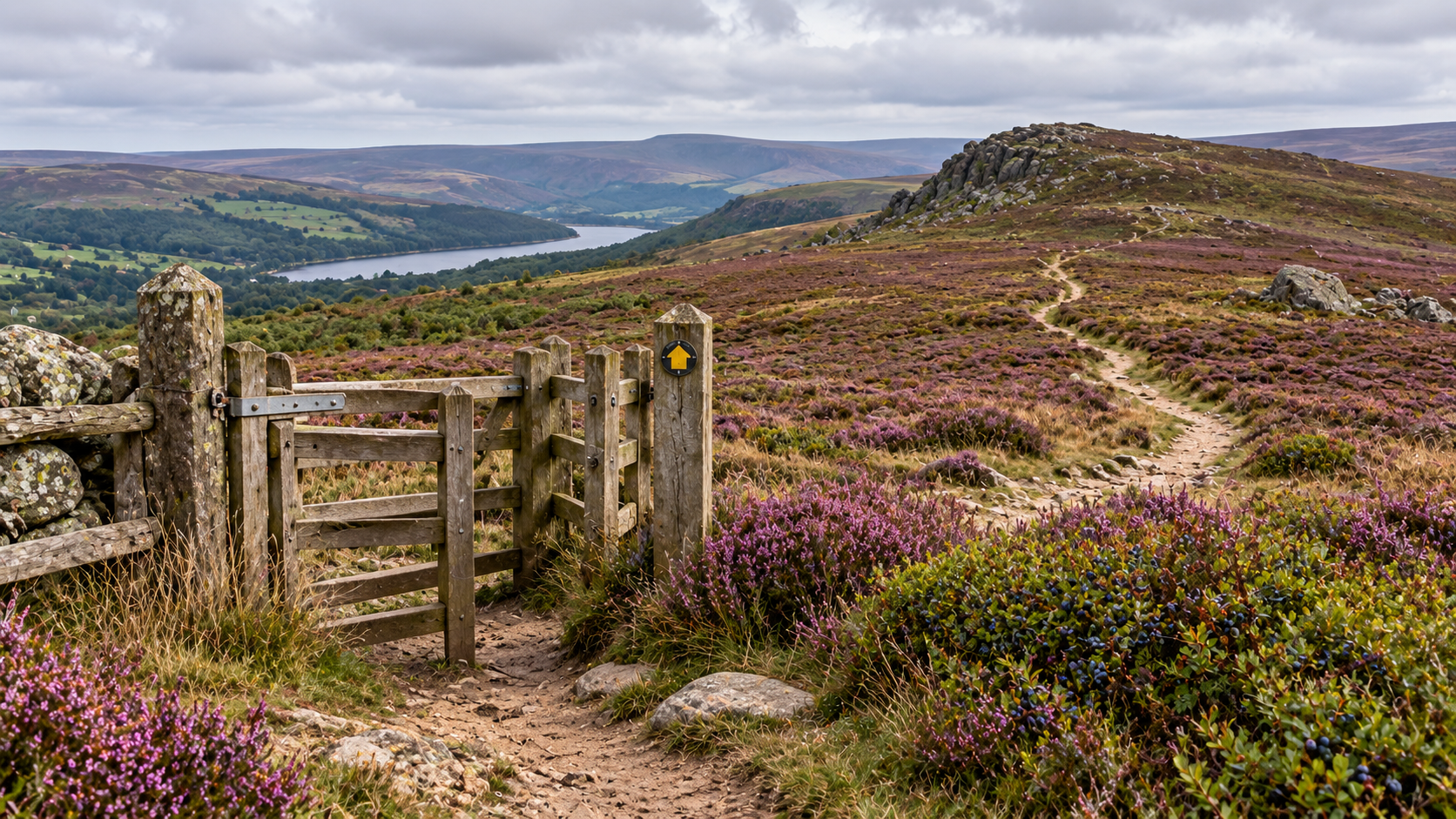
The coast has its own rules. Much of the foreshore (the strip between high and low tide) is owned by the Crown Estate, with the rest held by other bodies or private landowners. Gathering small amounts of seaweed for your own use is widely tolerated. Commercial harvesting needs permission and, in some areas, a licence.
Shellfish are trickier. There’s a general public right to fish in tidal waters, but local Inshore Fisheries and Conservation Authorities (IFCAs) set byelaws on minimum sizes, closed seasons and daily limits. Some shellfish beds are also privately owned. Food safety is the bigger issue, though. Shellfish filter seawater and can build up bacteria, viruses and toxins, so check local water quality and seasonal advice before you eat anything you gather.
Does the law differ in Scotland and Northern Ireland?
Scotland has much broader access rights under the Land Reform (Scotland) Act 2003. The Scottish Outdoor Access Code treats picking berries and mushrooms for your own consumption as part of responsible access. Commercial picking still needs the landowner’s permission. The Wildlife and Countryside Act’s rules on uprooting and protected species still apply.
Northern Ireland has a Theft Act equivalent (the Theft Act (Northern Ireland) 1969) with the same personal-use exemption for wild plants and fungi. However, there’s no general right to roam, so access largely depends on rights of way and landowner permission. Protected species are covered by the Wildlife (Northern Ireland) Order 1985.
Wales follows the same core framework as England: the Theft Act, the Wildlife and Countryside Act and the CROW Act all apply.
Invasive species: pick them, but don’t spread them
A few popular wild foods are listed on Schedule 9 of the Wildlife and Countryside Act as invasive non-native species. These include three-cornered leek and Himalayan balsam. Picking and eating them is fine, and arguably helpful. It is illegal, though, to plant them or otherwise cause them to grow in the wild.
In practice, that means:
- Don’t carry seed heads or bulbs to new areas.
- Don’t compost them where they could escape.
- Never try to transplant them into your garden.
If you’d love a steady supply of wild flavours without these worries, try growing a foraging garden with native and well-behaved species instead.
The unwritten rules: foraging responsibly
Staying within the law is the minimum. Foraging well means thinking about the plants, the wildlife and the people who come after you. These are the principles I follow:
- Take no more than a fair share. A common guideline is to pick no more than a small fraction of what’s there, leaving the bulk for wildlife and regeneration.
- Never pick the only one. If a plant is scarce in that spot, leave it.
- Identify with total certainty. If you’re not 100% sure, don’t pick it, and definitely don’t eat it.
- Avoid contaminated spots. Skip roadside verges, dog-walking hotspots and anywhere that may have been sprayed.
- Leave no trace. Don’t trample, break branches or disturb nesting birds.
- Be courteous. Close gates, stick to paths, and be friendly if a landowner stops for a chat.
I’ve found that practising mindful consumption at home and foraging mindfully come from the same place. It’s about taking what you’ll actually use and wasting nothing. Once you’re home, turn any surplus into something that lasts. My guide to preserving the harvest covers freezing, pickling and fermenting, all of which work beautifully with hedgerow finds.
Quick-reference summary
Frequently asked questions
Is foraging legal in the UK?
Yes, in most cases. Picking wild fruit, flowers, foliage and fungi for personal use isn’t theft in England and Wales. You still need to respect access rules, byelaws and protected species laws.
Can I forage in a public park?
It depends on the council. Some parks have byelaws prohibiting it, so check the notices at the entrance or the council’s website.
Can I pick wild garlic?
You can pick the leaves and flowers for personal use where you’re lawfully present. Digging up the bulbs without permission is an offence.
Is it illegal to pick bluebells?
It’s illegal to uproot wild bluebells or to sell them without a licence. Picking the flowers in woodland harms the plants and is strongly discouraged, so I’d leave them for everyone to enjoy.
Can I take my children foraging?
Absolutely, and it’s one of the best ways to connect kids with nature. Stick to easy, unmistakable species like blackberries, and make “never eat anything without asking a grown-up” the golden rule. If you’re thinking about growing wild food together, a community garden plot is another lovely way to share the harvest.
Final thoughts
Once you understand the few rules that matter, UK foraging law is fairly simple. Pick wild things, for yourself, from places you’re allowed to be. Don’t dig them up, don’t sell them, and leave the protected species alone. Everything beyond that is about good manners and care for the living world.
If foraging has sparked an interest in bringing more wild food and wildlife closer to home, my complete guide to rewilding your UK garden is a great next step.