The Benefits of Joining a Community Garden (and Why It’s Worth the Waiting List)
As an Amazon Associate I earn from qualifying purchases and sometimes recommend products from other sellers at no extra cost you. For more details see my disclosure policy and privacy policy.
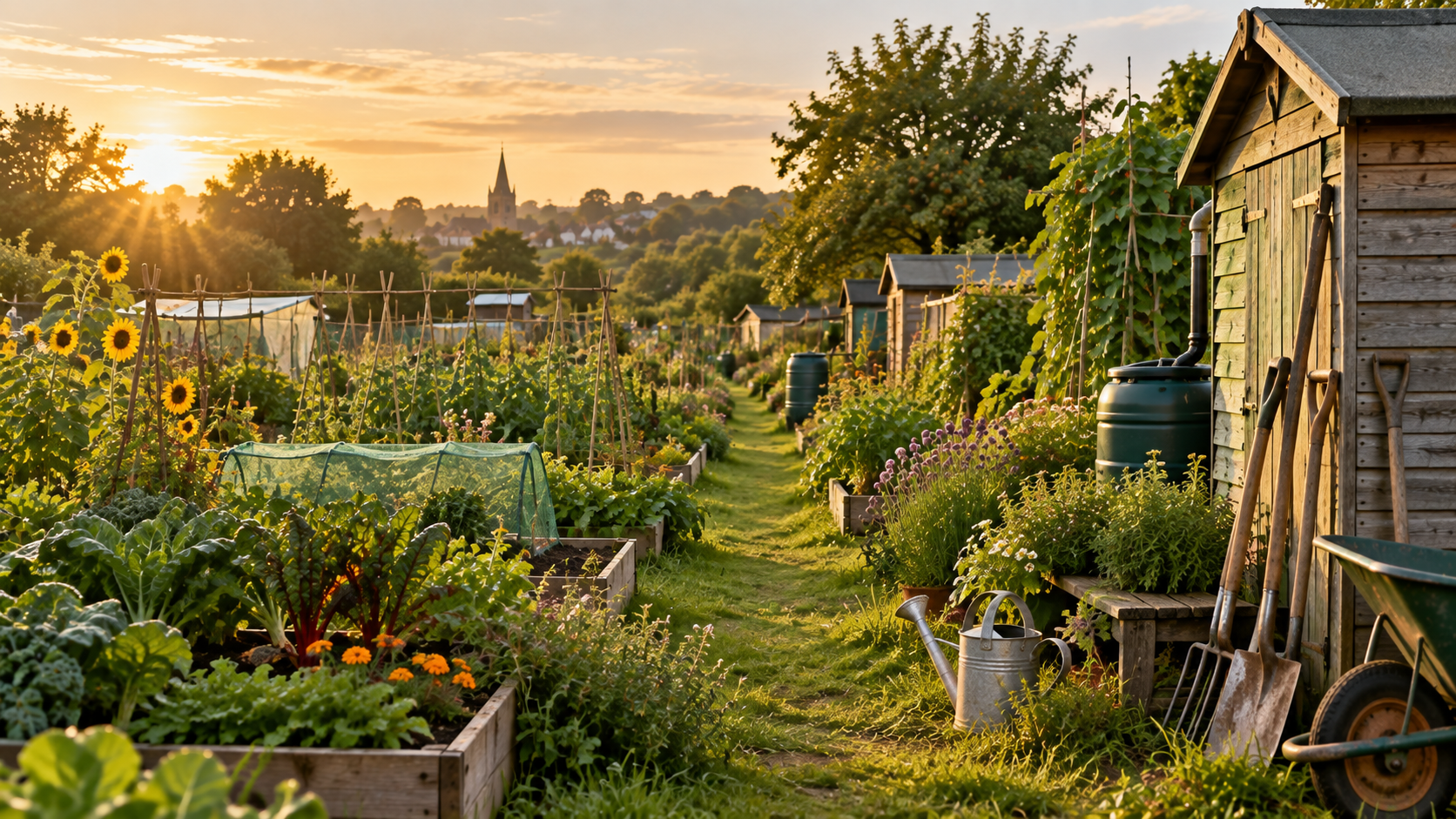
Community gardens have quietly become one of the best-kept secrets of sustainable living in the UK — and the waiting lists at many allotments and shared plots prove it. Whether you’re an experienced grower or you’ve never got your hands dirty beyond a windowsill herb pot, joining one brings benefits that go well beyond the vegetables you take home.
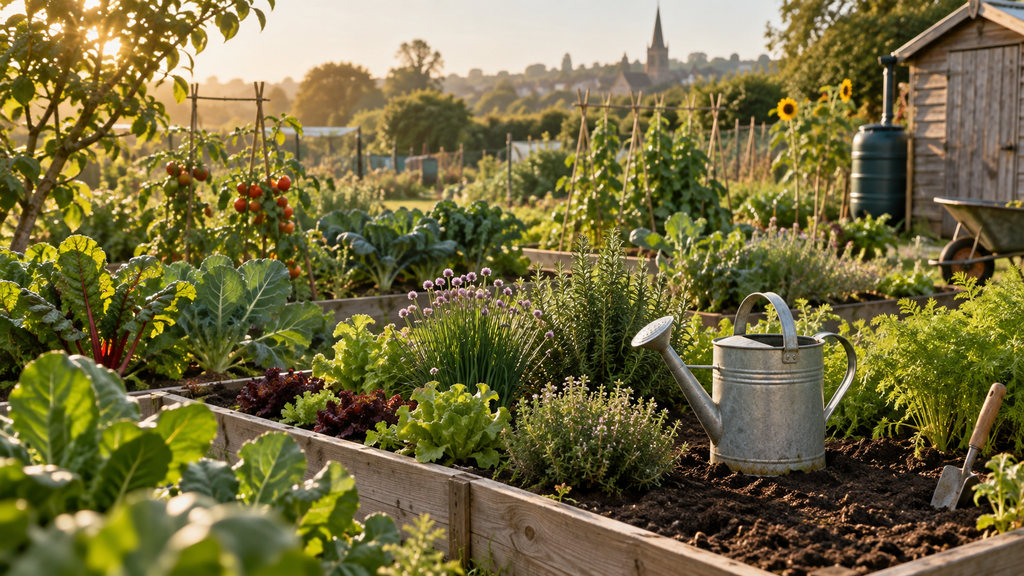
Fresh, seasonal produce you actually trust
The most obvious perk is access to fresh, organic produce grown a few feet from where you’re standing. When you grow your own fruit, vegetables and herbs, you know exactly what’s gone into them — no packaging, no food miles, no mystery. If you’re new to this, our guide to growing your own food on a budget is a good place to start, and once you’re hooked, growing tomatoes in the UK is one of the most satisfying first crops to master.
Real physical activity, not a gym membership
Digging, planting, weeding and watering are proper exercise — they build strength, improve flexibility and get your heart rate up without ever feeling like “a workout.” Add in the fresh air and vitamin D from time outdoors, and it’s hard to think of a more pleasant way to stay active through a British summer.
A genuine boost to mental wellbeing
Gardening’s therapeutic effects are well documented, and a shared plot amplifies them. The repetitive, hands-in-the-soil nature of the work is quietly meditative, and there’s real satisfaction in watching something you’ve tended come good. For many people, a community garden becomes the calmest hour of their week.
Free download
Get the Non‑Toxic Home Audit Checklist
A room‑by‑room checklist to help you spot what’s worth swapping in your home — and what’s not worth worrying about. Join the fortnightly newsletter and it’s yours.
No spam, unsubscribe any time.
Building real connections with your community garden
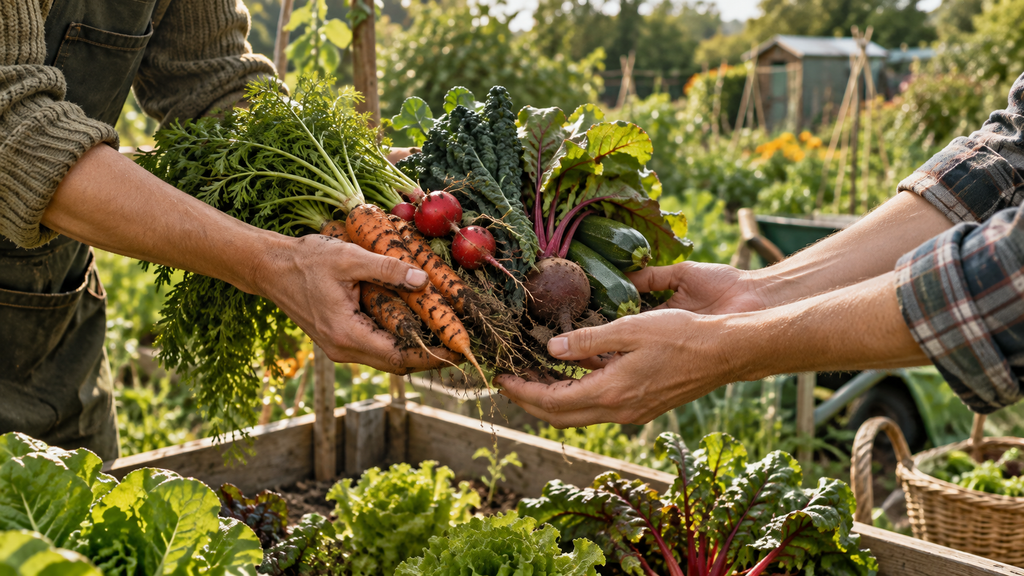
This is the benefit people underestimate most. Community gardens bring together neighbours who might never otherwise meet, and shared plots naturally become hubs for swapping seeds, tips and surplus produce. If you’re just getting your own patch going, our piece on 10 essential tips for a thriving allotment garden covers the groundwork that makes those first conversations easier — you’ll have something to compare notes on.
Hands-on educational opportunities
Community gardens are some of the best free classrooms around. Whether it’s organic growing, seasonal planting or simply learning what actually thrives in UK soil, there’s always someone nearby who knows more than you do. If composting is new territory, composting for beginners is a good next read — it’s one of the fastest ways to turn kitchen scraps into better soil for the whole plot.
Real environmental benefits, not just good intentions
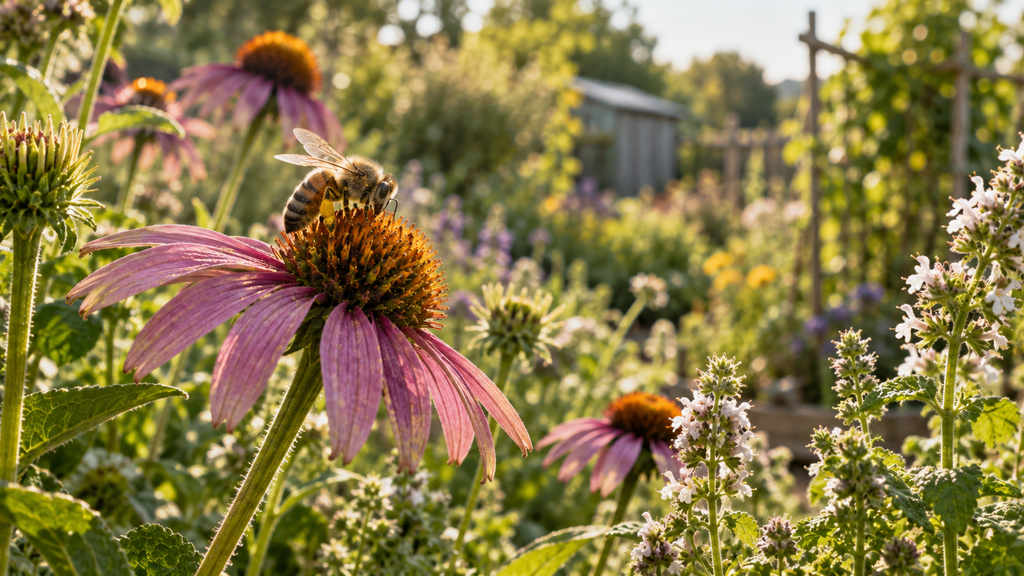
Every community garden supports local biodiversity, improves air quality and gives pollinators somewhere to actually live. If you want to lean further into this side of things, our guides on how to start a wildlife-friendly garden and UK native plants for pollinators are built specifically for shared and small UK plots — no acreage required.
Genuine savings on your food shop
Seeds and seedlings are inexpensive, and a well-tended bed can produce a surprising amount for the outlay. If space is tight, container veg growing for renters and flat dwellers shows how far a small footprint can stretch. And once the harvest arrives faster than you can eat it, preserving the harvest walks through freezing, pickling and fermenting so none of it goes to waste.
A quiet contribution to food security
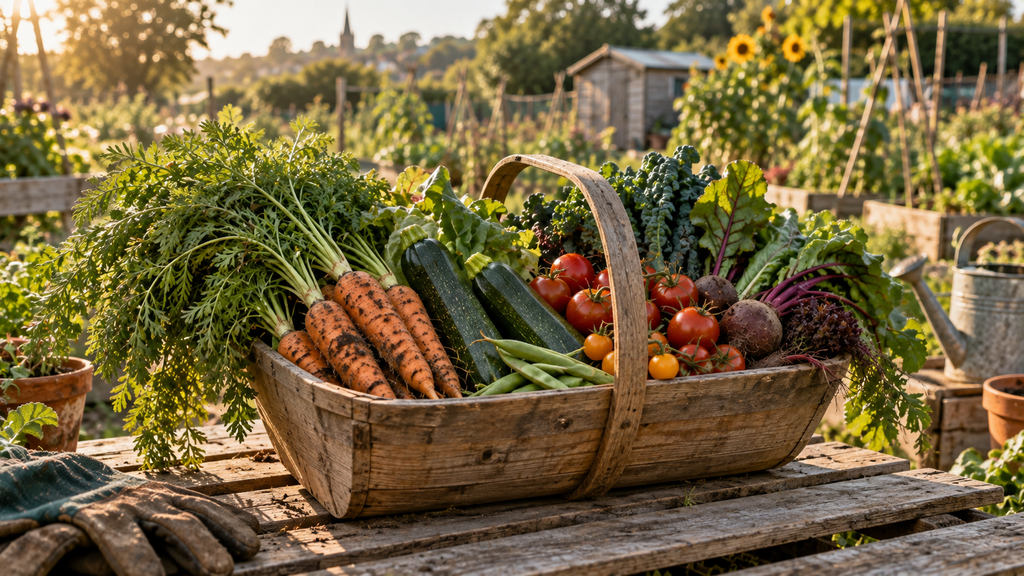
Community gardens matter most in areas where access to fresh, affordable produce is limited. Growing your own — even a modest amount — adds a steady, reliable supply to your kitchen that doesn’t depend on the supermarket shelf.
Room for creativity
Every plot ends up looking a little different. Deciding what to plant, how to lay it out, and even how to use garden art or reclaimed materials is a genuine outlet for creative expression — no two beds in the same community garden ever look alike.
Ready to get growing?
Joining a community garden touches nearly every part of sustainable living — physical health, mental wellbeing, real community, and a lower environmental footprint, all from one plot. If you want the fuller picture of where this fits into a wider sustainable lifestyle, our guide to what sustainable living actually means is a natural next stop. Find your local scheme, get your name down, and start planning what goes in the ground first.