Organic Gardening for Beginners: A Practical UK Guide
As an Amazon Associate I earn from qualifying purchases and sometimes recommend products from other sellers at no extra cost you. For more details see my disclosure policy and privacy policy.
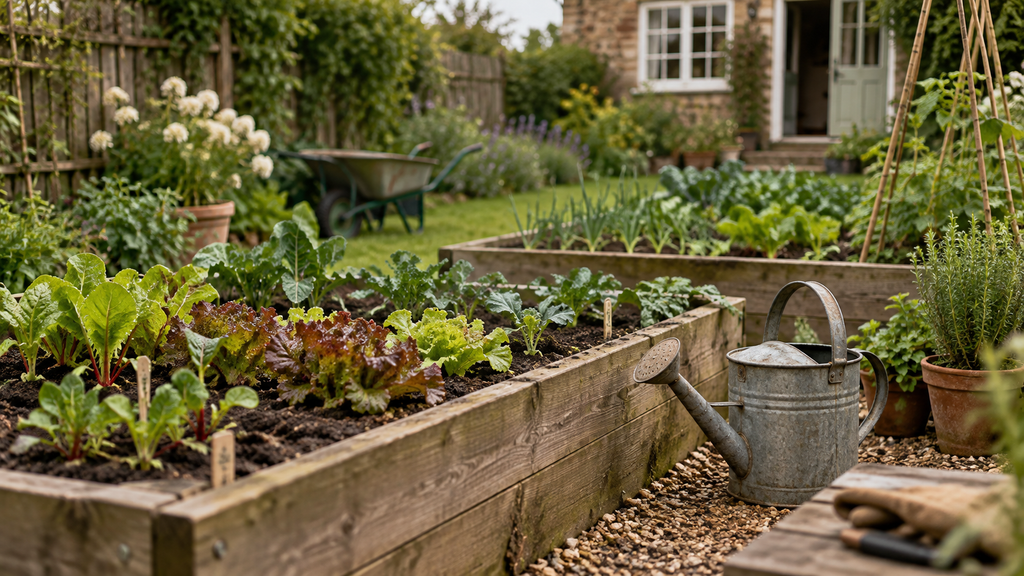
Organic gardening isn’t just good for your health — it’s one of the simplest, most satisfying ways to live a bit more sustainably. And you don’t need a smallholding or a lifetime of gardening know-how to get started. If you’ve been curious about growing your own food without reaching for synthetic fertilisers or pesticides, this guide will walk you through exactly how to begin, British weather and all.
What Organic Gardening Actually Means
Organic gardening is, at its simplest, growing plants without synthetic fertilisers or pesticides. Instead, you lean on natural, sustainable methods — compost, crop rotation, companion planting — to feed your soil and protect your plants. It’s less about following a strict rulebook and more about working with your garden rather than against it.
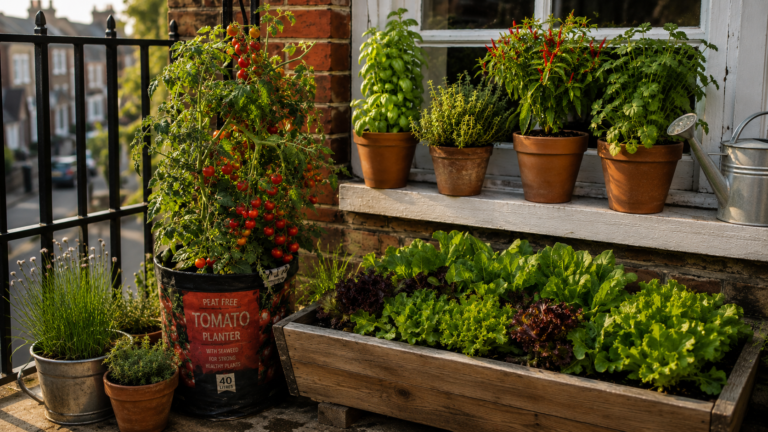
If your outdoor space is more balcony than back garden, that’s not a barrier — have a look at our guide to Urban Gardening in the UK: How to Turn a Small Space Into a Green, Wildlife-Friendly Garden for ways to get growing in a small footprint.
Step 1: Choose the Right Spot
Most edible crops want six to eight hours of sun a day, so start by watching your garden for a week and noting where the light actually falls — it’s rarely where you’d guess. Good drainage matters too: if water pools for more than a few hours after rain, you’ll want raised beds rather than fighting heavy clay. And keep it close to a water source, because in a typical British summer you’ll be watering more often than you’d think, especially through dry spells in June and July.
Free download
Get the Non‑Toxic Home Audit Checklist
A room‑by‑room checklist to help you spot what’s worth swapping in your home — and what’s not worth worrying about. Join the fortnightly newsletter and it’s yours.
No spam, unsubscribe any time.
Step 2: Prepare the Soil
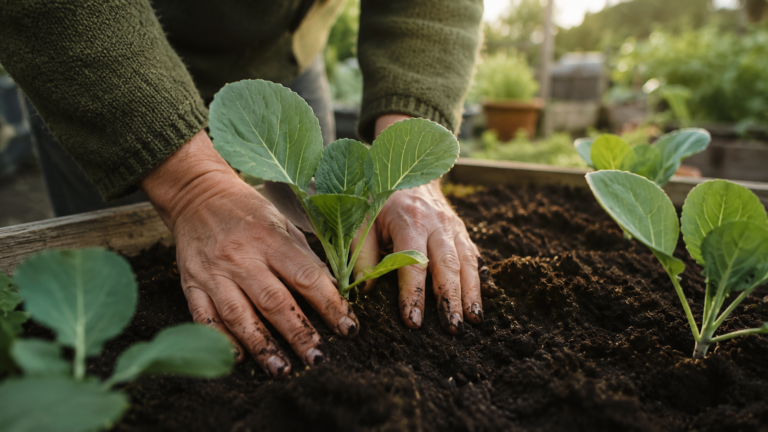
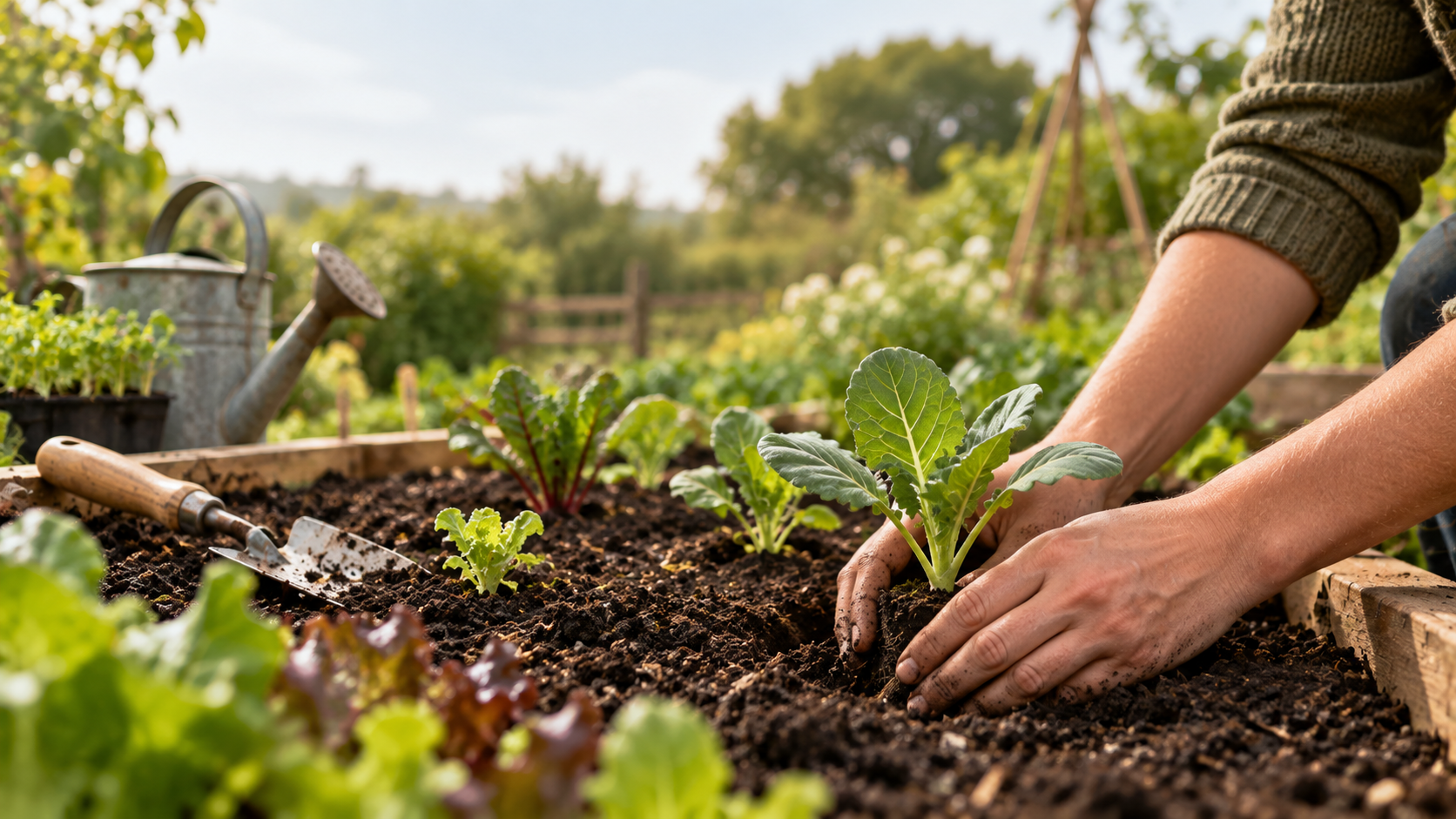
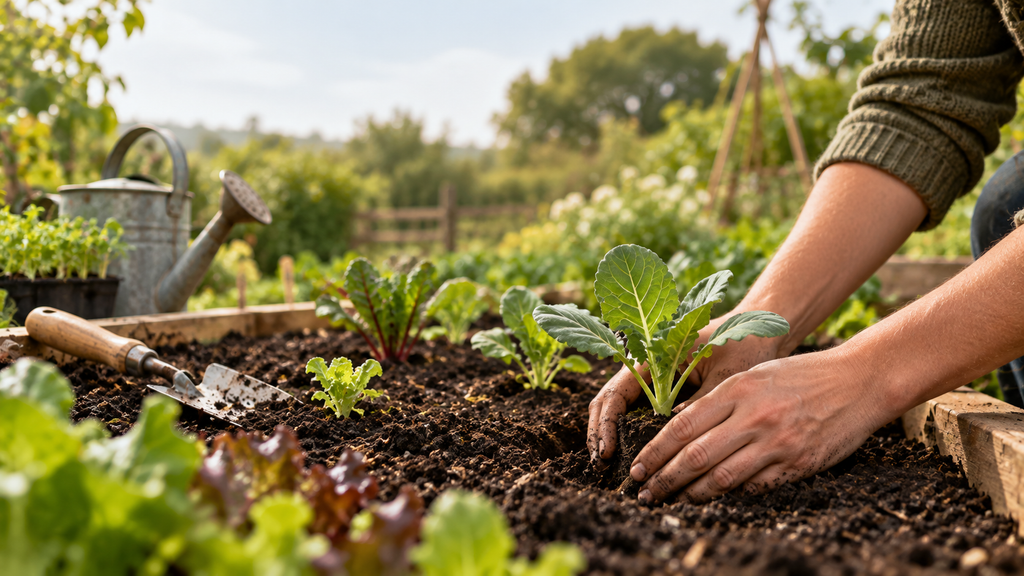
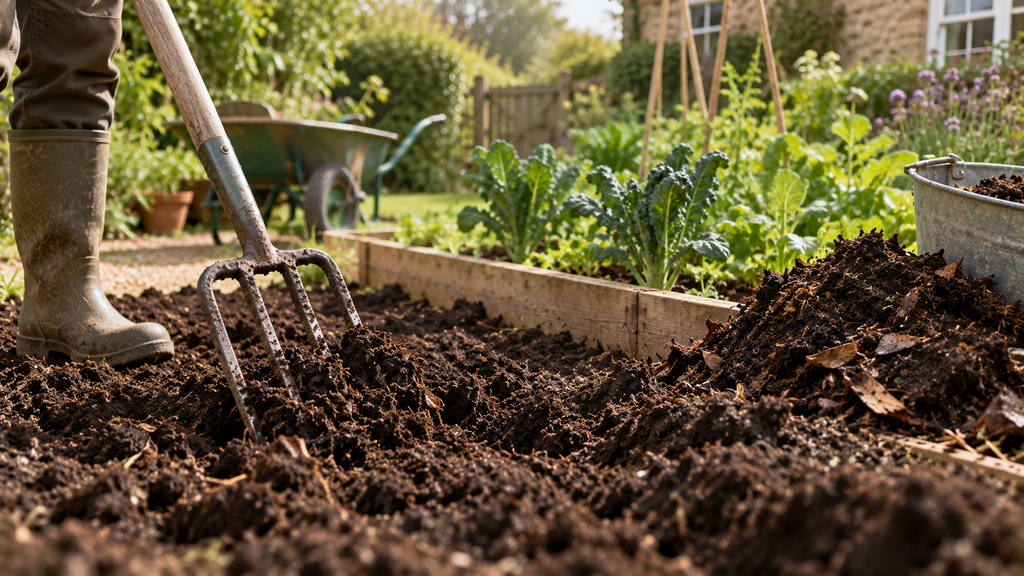
Healthy soil is the whole game in organic gardening, so it’s worth the effort upfront. Clear the area of weeds and grass, then loosen the soil with a fork or tiller. From there, work in well-rotted compost or aged manure — this is where a lot of UK gardens go wrong, using material that hasn’t broken down enough and ends up robbing nitrogen from your plants instead of feeding them. If you’d rather skip the digging altogether, a no-dig approach — simply layering compost on top of the soil — works well on most UK plots and protects the soil structure underneath.
Step 3: Choose Your Plants
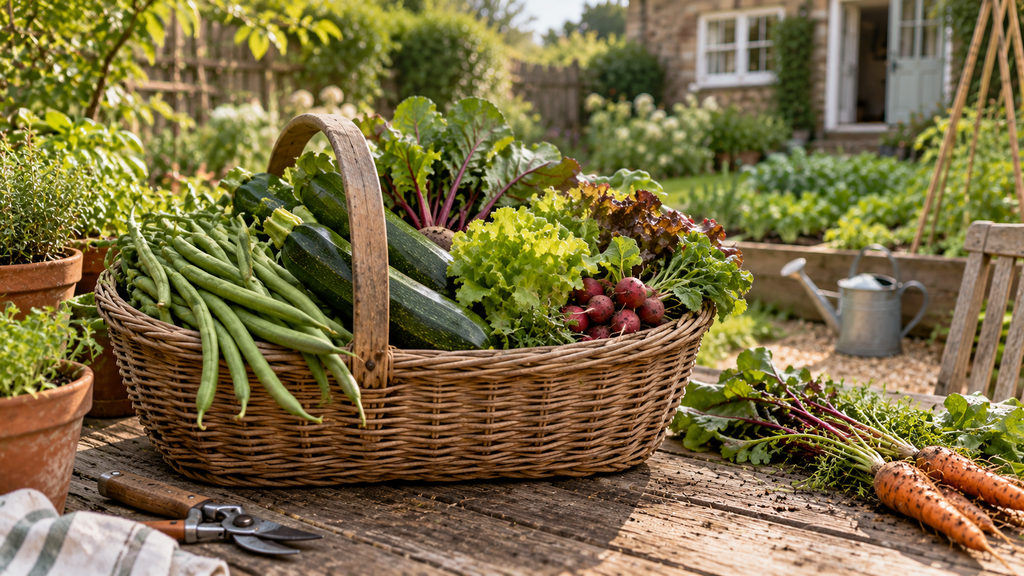
Where possible, choose plants suited to the UK climate and your specific region’s soil and rainfall — they’ll need far less intervention than anything trying to cope with conditions it wasn’t built for. Mixing fruit, vegetables, herbs and flowers together also creates a more balanced little ecosystem, drawing in pollinators and natural pest predators rather than a monoculture that pests can strip in a weekend. Runner beans, courgettes, and salad leaves are a genuinely forgiving place to start if this is your first season.
Step 4: Natural Pest Control
One of the real upsides of organic gardening is stepping away from chemical pesticides entirely. Companion planting — marigolds alongside tomatoes, for instance — confuses pests looking for their target crop by scent. Crop rotation stops pests and diseases building up in the same patch of soil year after year. And simple physical barriers, like fleece or row covers, keep the worst offenders off your brassicas without a single spray.
Step 5: Water and Maintain
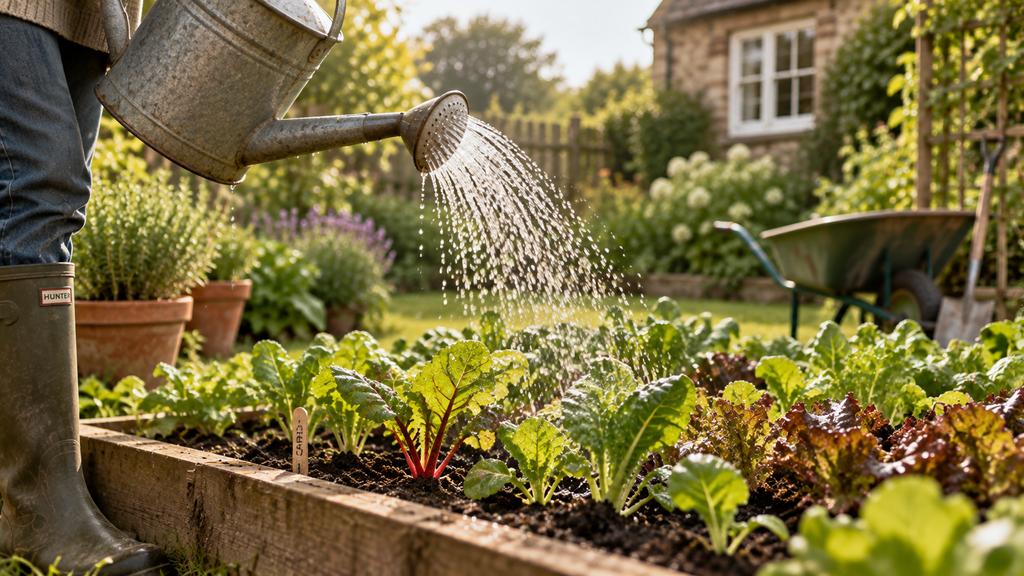
Resist the urge to water on a fixed schedule — check the soil with a finger instead, and only water when the top few centimetres are dry. Overwatering is one of the most common mistakes in a first-year garden, and it invites root rot as often as underwatering invites wilting. Get into the habit of a weekly walk-round to catch pests or early signs of disease before they take hold; catching a problem in its first week is far easier than fighting it in its third.
Step 6: Composting
Composting is where organic gardening quietly pays for itself. Collect kitchen scraps, garden waste and cardboard in a compost bin (most UK councils sell subsidised ones, so it’s worth checking your local authority’s site before buying elsewhere), and let it break down into a nutrient-rich soil amendment over several months. It’s the cheapest fertiliser you’ll ever use, and it keeps a surprising amount of household waste out of landfill.
If you want to go further into building a full cycle in your garden, our composting for beginners post covers bin types, what to add and what to leave out.
Grow Your Garden
Starting an organic garden can feel like a lot at once, but you don’t need to get every step right immediately — progress beats perfection here, every time. Get the soil right, choose plants suited to your patch, and let natural methods do the rest, and you’ll end up with a garden that’s both productive and genuinely good for the environment around it. If you’re ready to take it further, our guide to growing your own vegetables post is the natural next step, and if pests are already on your mind, our piece on non-toxic pest control post is worth bookmarking before you need it.