Sustainable Bamboo Products: Why This Fast-Growing Material Beats Wood & Plastic
As an Amazon Associate I earn from qualifying purchases and sometimes recommend products from other sellers at no extra cost you. For more details see my disclosure policy and privacy policy.
When you picture a sustainable material, bamboo probably isn’t the first thing that comes to mind. But this fast-growing grass quietly outperforms both wood and plastic on almost every measure that matters — how quickly it regrows, how long it lasts, and what happens to it once you’re done with it.
I started swapping plastic and MDF items for bamboo ones room by room a few years ago, mostly out of curiosity about whether the “sustainable” label actually held up in daily use. It has. Here’s why sustainable bamboo products are worth a proper look, not just a passing eco-trend.
Bamboo Is One of the Fastest-Growing Renewable Materials
Bamboo is technically a grass, not a tree, and it grows accordingly — some species reach full maturity in three to five years, compared with the decades a hardwood tree needs. It regenerates from its own root system after harvesting, so there’s no replanting cycle, and it grows without pesticides or irrigation in most conditions.
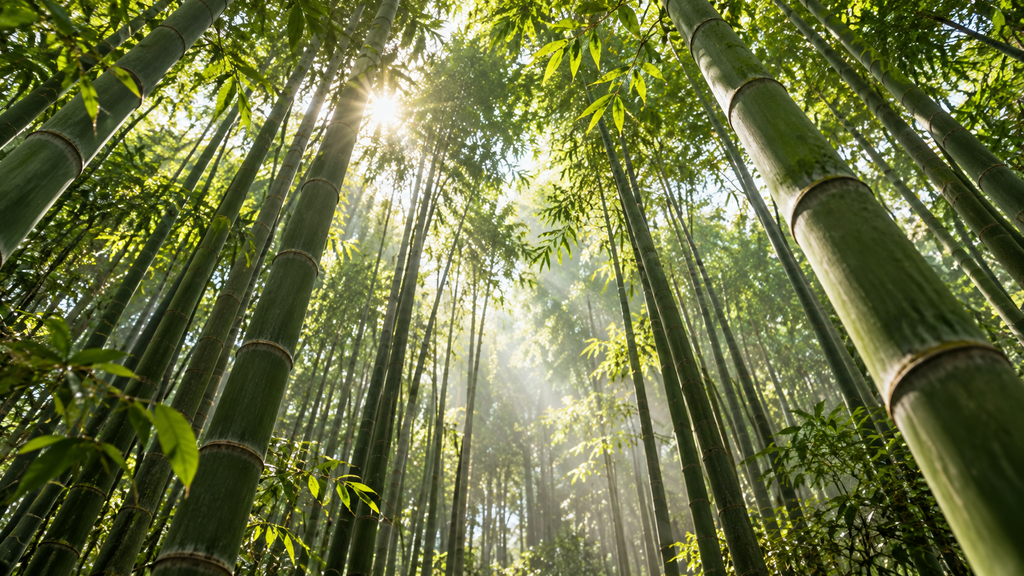
In short: bamboo regrows faster than almost anything else we build with, and it does it without chemical inputs.
Free download
Get the Non‑Toxic Home Audit Checklist
A room‑by‑room checklist to help you spot what’s worth swapping in your home — and what’s not worth worrying about. Join the fortnightly newsletter and it’s yours.
No spam, unsubscribe any time.
The Non-Toxic Home Guide: Room-by-Room Swaps for UK Households
It’s Genuinely Durable — Not Just “Eco”
Durability is where a lot of sustainable materials fall down, but bamboo doesn’t. Its fibre density gives it a tensile strength that rivals — and in some tests exceeds — hardwood, which is why it holds up well in kitchenware, furniture, and flooring. It’s also naturally water-resistant, which makes it a sensible choice for bathroom and kitchen items that take a daily soaking.
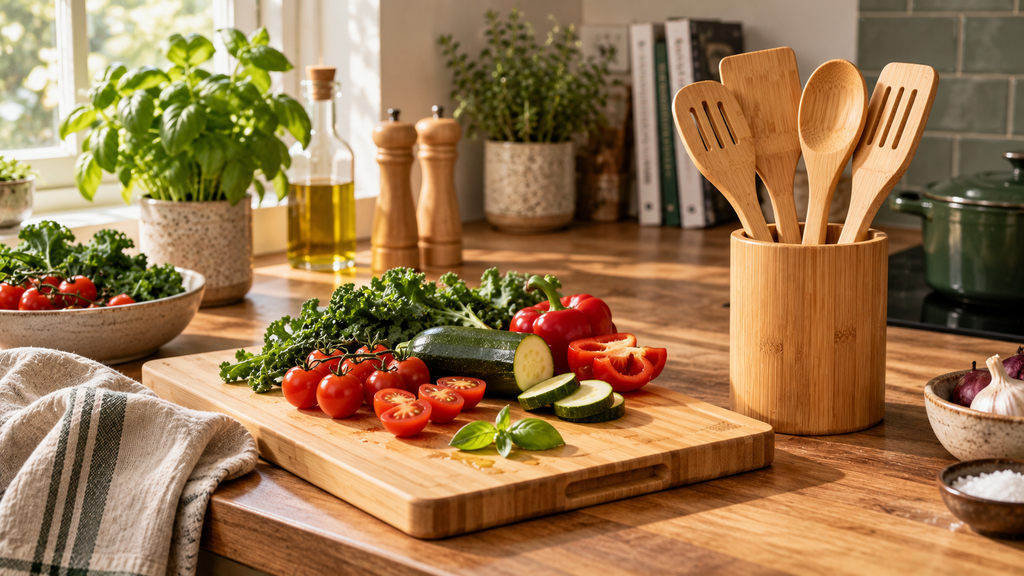
The takeaway: bamboo isn’t a compromise material — it’s often the tougher option.
Non-Toxic Cookware UK: What to Look For, What to Avoid, and the Best Options at Each Price Point
It Actually Biodegrades — Unlike Plastic
Plastic’s biggest failure is what happens after we’re done with it: it can take hundreds of years to break down, and most of it never fully does. Bamboo is different. Untreated bamboo biodegrades naturally, returning to soil rather than sitting in landfill or breaking into microplastics.
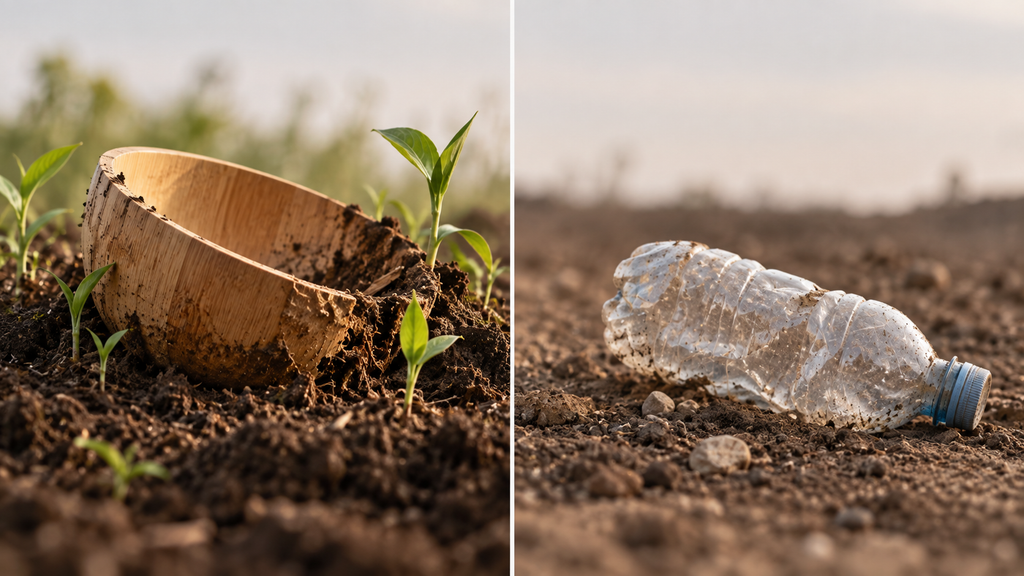
If you’re trying to cut down on landfill-bound plastic, bamboo is one of the more straightforward swaps to make.
Reusable Food Bags: The UK Guide to Ditching Single-Use Plastic Storage
Naturally Hypoallergenic and Antibacterial
Bamboo fibre has natural antibacterial properties, which is part of why it’s become popular for bedding, towels, and clothing — particularly for people with sensitive skin or allergies. The same properties make it naturally resistant to mould and mildew, which is genuinely useful for things like chopping boards and bathroom accessories that stay damp.
For anyone dealing with skin sensitivities, bamboo textiles are worth trying before reaching for synthetic “hypoallergenic” alternatives.
Affordable, Because It’s Abundant
A common assumption is that sustainable materials cost more. Bamboo usually doesn’t, and the reason is simple: it grows fast, needs minimal processing, and is abundant in the regions where it’s farmed. That combination keeps manufacturing costs — and shelf prices — lower than many people expect.
Where Bamboo Actually Fits in Daily Life
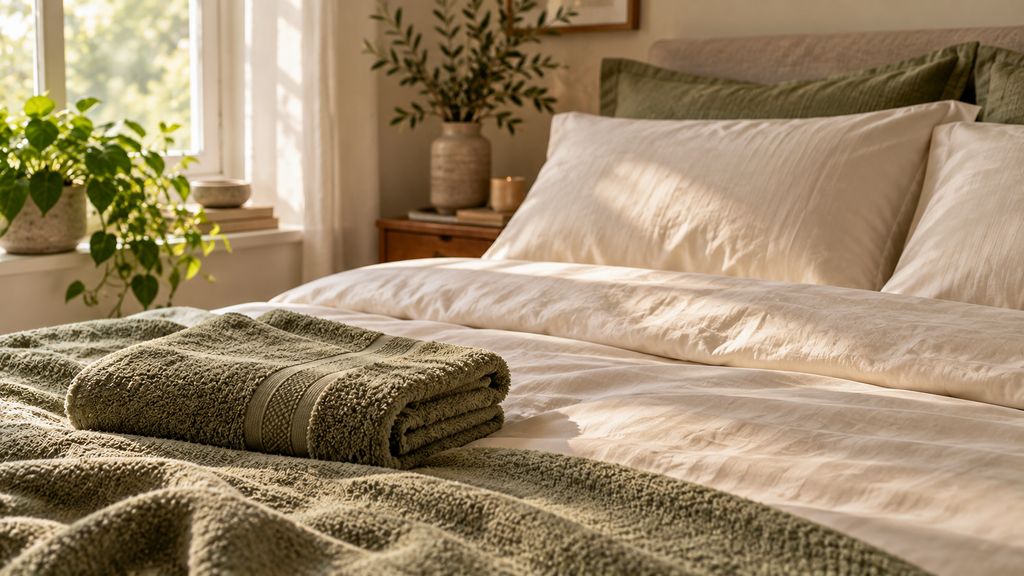
You don’t need to overhaul your whole house at once. The easiest places to start:
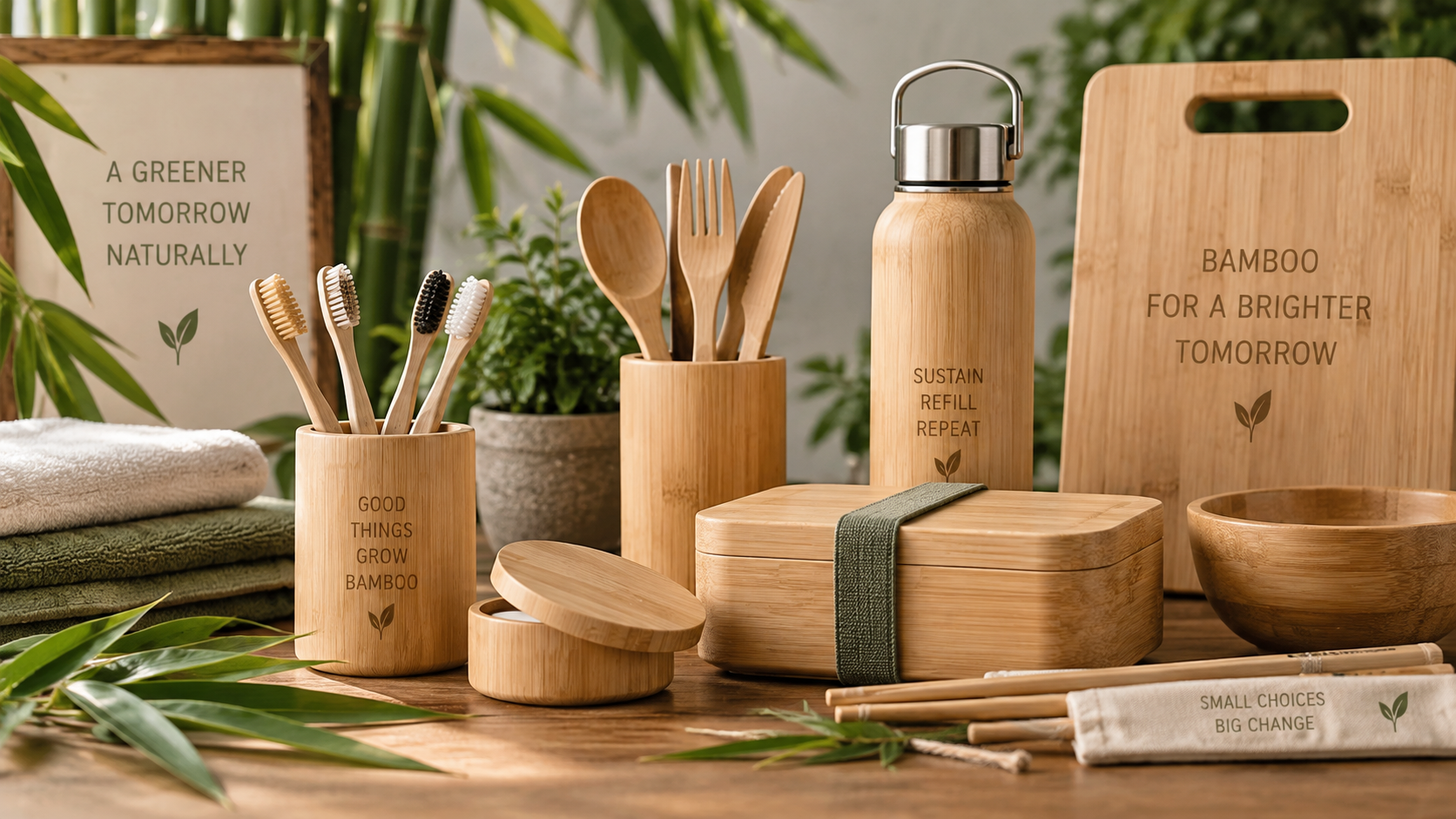
- Kitchen: chopping boards, utensils, reusable straws
- Bathroom: toothbrushes, hairbrushes, bath mats
- Bedroom: bedding, towels
- Living areas: furniture, shelving, picture frames
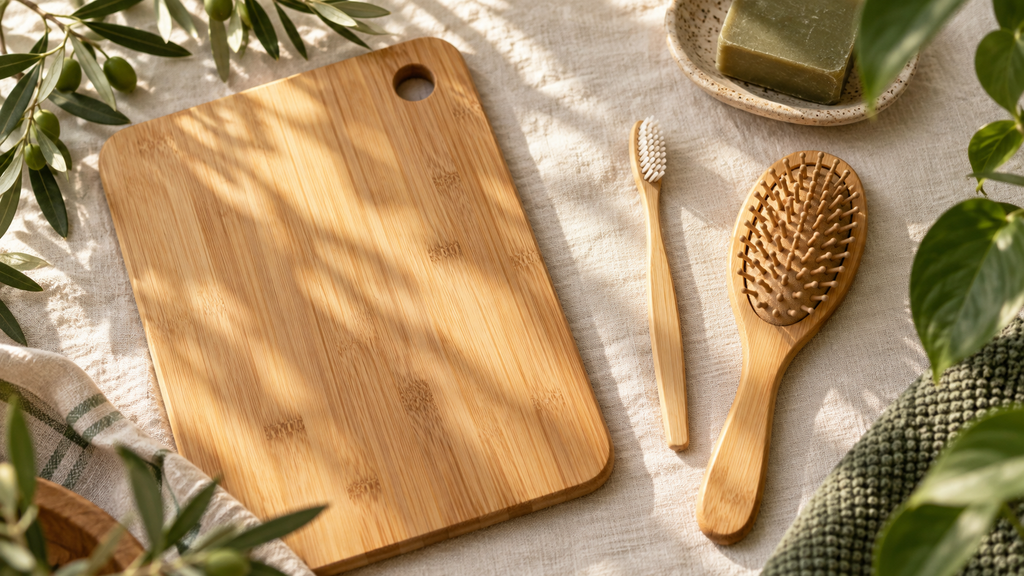
Start with whatever you’re about to replace anyway — a worn-out chopping board or a plastic toothbrush — rather than swapping out things that still work.
The Bottom Line
Bamboo isn’t a trend product. It’s a genuinely renewable, durable, biodegradable, and affordable material that stands up to daily use — which is a rare combination. If you’re weighing up a sustainable swap for something in your home, bamboo is one of the safer bets you can make.