Simple Steps to Saving Energy in Your Home
As an Amazon Associate I earn from qualifying purchases and sometimes recommend products from other sellers at no extra cost you. For more details see my disclosure policy and privacy policy.
By taking simple steps towards saving energy in your home, you can not only cut down on your utility bills but also contribute to preserving our planet for generations to come. So are you ready to make a positive impact on the world while saving some money in the process? Energy conservation holds the key to unlocking a greener future and reducing our carbon footprint. In this blog post, we’ll explore the importance of energy conservation and its profound impact on the environment. Get ready to discover how small changes in our daily lives can lead to big transformations for a more sustainable future.
Assessing Energy Usage: Saving Energy
Understanding current energy usage patterns in our homes is crucial for several reasons. By assessing our energy consumption, we gain valuable insights into where and how we can make improvements to reduce waste and save money. Conducting a home energy audit allows us to identify areas where saving energy can lead to significant energy savings and a reduced carbon footprint.
When it comes to assessing energy usage in the home, there are various steps that can be taken.
- Inspecting insulation is an important aspect of a home energy audit.
- Checking for air leaks is another critical step.
- Sealing gaps and cracks in windows, doors, and walls can prevent drafts and reduce the need for heating or cooling.
Luckily, there are online tools and smart devices available that can assist in tracking and analyzing energy consumption. These tools provide real-time data and insights, allowing homeowners to make informed decisions about their energy usage. From smart thermostats that optimize heating and cooling schedules to energy monitoring systems that track usage by device, technology can play a vital role in helping us understand and manage our energy consumption patterns.
Free download
Get the Non‑Toxic Home Audit Checklist
A room‑by‑room checklist to help you spot what’s worth swapping in your home — and what’s not worth worrying about. Join the fortnightly newsletter and it’s yours.
No spam, unsubscribe any time.
Optimizing Heating and Cooling:
Proper insulation and sealing play a vital role in optimizing heating and cooling in our homes by reducing energy loss. By ensuring that our homes are well-insulated and properly sealed, we can minimize energy loss and create a more efficient and comfortable indoor environment.
- To optimize heating and cooling, adjusting thermostat settings is an effective strategy. During colder months, setting the thermostat to a lower temperature while bundling up with warm clothing or using blankets can help save energy. Similarly,
- During warmer months, setting the thermostat to a higher temperature and using fans or natural ventilation can provide comfort without excessive energy consumption.
- Ceiling fans can help circulate air and create a cooling effect, allowing us to raise the thermostat temperature without sacrificing comfort.
- Window coverings such as blinds or curtains can help block out direct sunlight and heat during hot summer days, reducing the need for excessive cooling.
It’s important to find a balance where we remain comfortable while not overworking our heating or cooling systems.
Efficient Lighting Solutions:
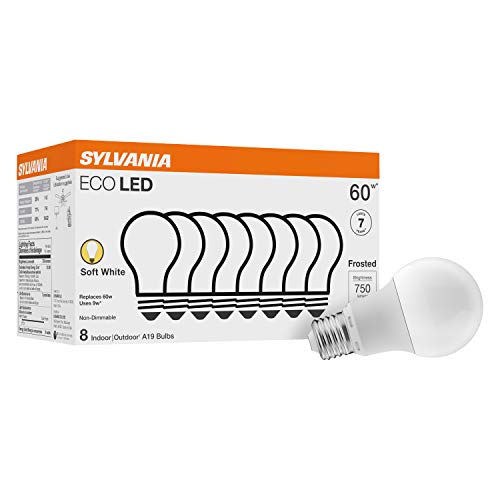
Switching to energy-efficient LED or CFL light bulbs offers numerous advantages in terms of efficiency and cost savings. Not only do these bulbs help reduce carbon emissions, but they also have a longer lifespan, meaning fewer replacements and less waste. LED bulbs, in particular, are highly versatile and come in various colors and shapes, making them suitable for any lighting needs in homes or businesses.
Maximizing natural lighting is another effective strategy for efficient lighting solutions. This involves:
- Utilizing natural light sources such as windows and skylights to illuminate indoor spaces during daylight hours.
- Keeping curtains or blinds open and using light-colored walls and furniture can help reflect and distribute natural light more effectively, reducing the need for artificial lighting.
- Arranging workspaces and living areas near windows can make the most of natural lighting, creating a bright and inviting atmosphere.
- Task lighting can be a great complement to natural lighting and can help minimize the use of overhead lights.
Appliance Efficiency:
Choosing energy-efficient appliances is of great significance in today’s world, where energy conservation and sustainability are key priorities. Energy-efficient appliances consume less power, resulting in reduced energy consumption and lower utility bills. They are designed to operate with advanced technologies that maximize efficiency while minimizing waste. By opting for energy-efficient appliances, individuals can contribute to environmental preservation by reducing carbon emissions and conserving valuable resources. To make your machines last longer and work more efficiently:
- Do proper maintenance and regular cleaning, which play a crucial role in ensuring the optimal performance of appliances.
- Regular maintenance prolongs the lifespan of appliances but also helps them operate at peak efficiency and minimizes the risk of breakdowns, saving money on costly repairs or replacements
- Cleaning air filters, removing lint from dryer vents, and descaling coffee makers can prevent energy loss and improve overall performance.
To further enhance appliance efficiency, it’s essential to adopt certain practices. For instance:
- Running full loads in the dishwasher and washing machine maximizes their capacity and reduces the need for multiple cycles, saving both water and energy.
- Thawing frozen food in the refrigerator before cooking eliminates the need for microwaves or hot water, conserving energy as well.
- Adjusting the temperature settings on refrigerators and freezers to the recommended levels reduces energy consumption without compromising food safety.
By choosing energy-efficient appliances, performing regular maintenance, and implementing efficient usage habits like running full loads, individuals can significantly reduce their energy consumption and contribute to a greener and more sustainable future.
Energy-Saving Tips for Daily Living:
Incorporating energy-saving tips into our daily lives can make a significant impact on reducing our carbon footprint and preserving valuable resources. Simple changes in our routines can lead to a more sustainable lifestyle. For instance:
- Taking shorter showers not only conserves water but also reduces the amount of energy needed to heat the water.
- Using cold water for laundry instead of hot water can save a substantial amount of energy.
- Unplugging electronics when not in use or utilizing power strips with surge protectors can prevent “vampire” energy consumption, where devices continue to draw power even in standby mode.
- Line-drying clothes not only saves energy that would be used by dryers but also helps preserve the lifespan of clothing.
- using reusable items such as water bottles, grocery bags, and food containers reduces waste and minimizes the energy required for manufacturing and disposal.
By implementing these strategies for energy efficiency, we can reduce our carbon emissions, preserve resources, and save money in the long run. Even small changes, such as adjusting thermostat settings, switching to LED bulbs, and unplugging electronics from time to time, can make a big difference in terms of energy conservation. It’s important to recognize that every individual has the power to influence the future of our planet and contribute to a greener future. By making conscious decisions, we can ensure an energy-efficient lifestyle for ourselves and generations to come.
You might also like: